How to Draw a Salamander in 10 Easy Steps
Learn how to draw with this step-by-step tutorial.
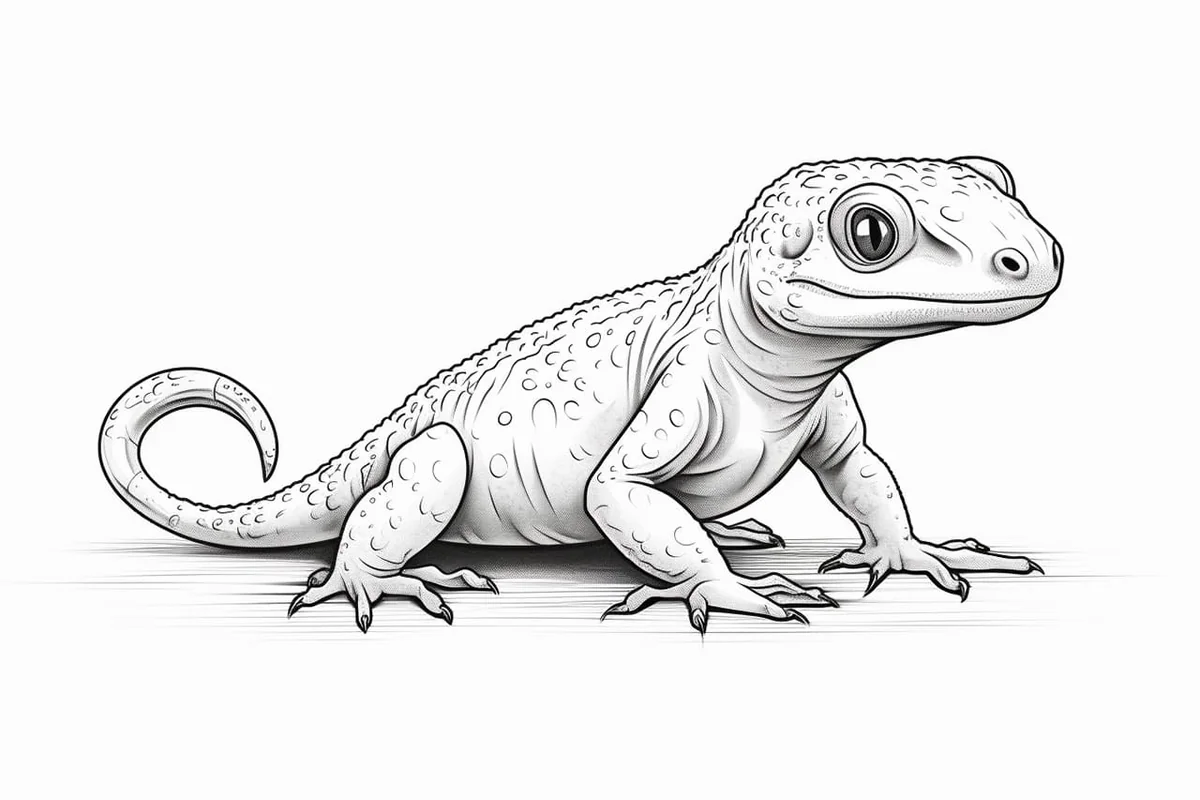
Materials You'll Need
- Drawing paper
- Pencil (HB or 2B)
- Eraser
- Colored pencils
- Markers
- Blending stump
- Watercolor paints
Welcome to this detailed step-by-step guide on how to draw a salamander! These incredible creatures are not only known for their unique and striking appearances but also for their vibrant, eye-catching colors that make them a fascinating subject for any artist. From their smooth, elongated bodies to their distinctive features, salamanders offer a fantastic opportunity to explore your artistic abilities, whether you are just starting out or are already an experienced illustrator.
In this tutorial, we'll break down the drawing process into manageable steps, making it easy for you to follow along. You'll gain valuable skills, improve your techniques, and discover the joy of bringing a salamander to life on paper. With clear instructions and helpful tips provided throughout, you can focus on honing your skills while enjoying the creative experience.
So, gather your materials and get ready to embark on an artistic journey! By the end of this guide, you'll have created a stunning drawing that reflects your own personal style and understanding of these enchanting creatures. Let's dive in!


Materials Required
Before we begin, gather the following materials:
-
Pencil (preferably a set of different hardness)
-
Fine-tipped black pen or marker
-
Colored pencils or markers (optional)
Now that we have everything we need, let's begin the drawing process!
Step 1: Basic Shape Sketch
Start by lightly sketching the basic shape of the salamander's body using your pencil. Begin with a curved line that slightly resembles an elongated letter "S". This will serve as the framework for the salamander's body.
Step 2: Head and Tail
Next, draw the head of the salamander by adding a rounded shape at one end of the body. Then, extend a long, slender tail from the opposite end of the body. Make sure to maintain the overall flow and balance of the creature's form.
Step 3: Legs
Salamanders have four legs, so let's draw them next. Add short, stubby limbs to the undersides of the body. Each leg should consist of three curved lines that serve as the individual toes. Take your time to ensure the proportions and perspective of the legs are accurate.
Step 4: Eyes and Nostrils
Now, it's time to add some facial features. Draw two small circles for the salamander's eyes near the front of its head. Leave some space between the eyes to create a sense of depth. Then, below the eyes, add two small dots for the nostrils.
Step 5: Mouth and Teeth
Draw a curved line that outlines the salamander's mouth. Salamanders typically have wide mouths, so make sure to capture that characteristic. Then, add a row of small triangles to represent its teeth. You can make the teeth as sharp or as rounded as you like.
Step 6: Back and Belly Patterns
Salamanders often have unique patterns on their backs and bellies. To create these patterns, draw irregular, wavy lines across the body and tail. These lines can vary in thickness and direction, giving your salamander a more realistic appearance.
Step 7: Details and Texture
To add more depth and texture to your drawing, focus on adding details to the different parts of the salamander. Pay attention to the texture of the skin and the placement of scales or spots. Use a combination of curved lines, dots, and crosshatching techniques to achieve the desired effect.
Step 8: Refine and Erase
Take a step back and evaluate your drawing. This is the perfect time to refine any areas that may need adjustments. Use your eraser to gently remove any unnecessary guidelines or mistakes. Make sure to preserve the quality and integrity of your drawing while making these refinements.
Step 9: Ink or Finalize
Once you are satisfied with your sketch, you can choose to finalize it by inking over the pencil lines using a fine-tipped black pen or marker. This will give your drawing a more polished and finished look. Be patient and steady as you trace over the lines to avoid any accidental smudges.
Step 10: Color (Optional)
If you want to add color to your salamander drawing, now is the time to do so. Choose your preferred coloring tools, whether it be colored pencils, markers, or even watercolors. Refer to reference images or your imagination to select the appropriate colors and apply them with care, adding shading and highlights for additional depth.
Tip: When drawing a salamander, pay special attention to the textures and patterns on its skin, as these details can bring your drawing to life. Use a combination of fine-tipped pens or pencils for intricate patterns and softer pencils to create smooth shading on its body. Consider layering your colors if you're using colored pencils; start with a light base and gradually build up darker hues to achieve a more vibrant and dimensional look.
Don't forget to observe reference images closely; capturing the unique coloration and markings will add depth and realism to your artwork. Lastly, take your time with the limbs and tail—these features are key to the salamander's charm, so ensure they have the right proportions and fluidity.
Conclusion
Congratulations! You have successfully completed your salamander drawing. By following these step-by-step instructions, you have created a vibrant and lifelike depiction of this fascinating creature. Remember, practice makes perfect, so keep honing your skills and experimenting with different techniques. We hope you enjoyed this tutorial on how to draw a salamander and that it has inspired your artistic journey.
Gallery of Salamander Drawings


Fun Facts About Salamanders
-
Salamanders are amphibians, like frogs and toads, and they usually live in moist habitats like forests, streams, and under logs.
-
Some salamanders can regrow lost limbs, tails, and even parts of their eyes and hearts, making them regeneration champions of the animal kingdom!
-
****There are over 700 species of salamanders, ranging from the tiny pygmy salamander to the giant Chinese giant salamander, which can grow over 5 feet long.
-
Salamanders breathe in many different ways—some use lungs, others use gills, and a few even breathe through their skin.
-
The name "salamander" comes from ancient myths that claimed the animal could walk through fire without being harmed, likely because they'd dart out of logs thrown into flames.
-
Salamanders have smooth, moist skin and must stay damp to survive, which is why they're often most active at night or after rain.
-
The bright colors and bold patterns on many salamanders serve as a warning to predators—some produce toxins or have irritating skin secretions.
-
Unlike lizards, salamanders don't have scales or claws, and their skin can absorb water, oxygen, and sometimes toxins from their environment.
-
Salamanders are important to ecosystems as both predators and prey, helping to control insect populations and providing food for birds, snakes, and mammals.
-
In folklore and fantasy, salamanders are often linked to fire or magic, making them a popular choice in fantasy stories, video games, and mythical creature art.
Suggested Scenes and Settings for Salamander Drawings
-
Forest Floor Crawl: Draw a salamander slinking across damp leaves and moss under a log, with mushrooms and ferns framing the scene.
-
Creekside Splash: Picture a salamander peeking out from behind a rock in a shallow stream, water glistening on its smooth skin.
-
Magical Fire Salamander: Imagine a fantasy salamander glowing with ember-like skin and smoke curling from its back, resting on volcanic stone.
-
Rainy Night Hunt: Show a salamander emerging after a rainstorm, tongue flicking out to catch insects under a moonlit sky.
-
Underground Hideout: Create a cutaway view of a salamander's burrow, with tunnels, roots, and little insect roommates tucked into earthy nooks.
-
Colorful Camouflage: Draw a salamander blending into bright autumn leaves or patterned moss, showing off its natural disguise.
-
Fantasy Companion: Design a salamander as a wizard's familiar, curled around a glowing potion bottle or perched on an open spellbook.
-
Terrarium Scene: Illustrate a cozy indoor habitat with plants, rocks, a water dish, and a curious salamander peeking out from under a bark shelter.
-
Snowy Contrast: For an unusual twist, show a salamander against melting snow—its bright body popping against the cold white.
-
Comic Salamander Parade: Draw a line of cartoon-style salamanders in all shapes and colors—waving flags, playing instruments, or marching in silly costumes.