How to Draw a Desert Landscape
Learn how to draw a beautiful desert landscape in this step-by-step tutorial. Improve your drawing skills and capture the serenity of the desert.

Materials You'll Need
- Pencil
- Paper
- Eraser
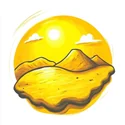 Welcome to this comprehensive guide on how to draw a desert landscape! Whether you're a seasoned artist looking to refine your skills or a beginner eager to embark on your artistic journey, this tutorial is designed to help you create a beautiful and captivating representation of the desert environment.
Drawing a desert landscape can be both rewarding and inspiring, as it invites you to explore the diverse elements found within this unique ecosystem. From sweeping sand dunes and rugged rock formations to the enchanting sky above, each component contributes to the overall beauty of the scene. In this guide, we will break down the drawing process into manageable steps, allowing you to follow along easily and develop your artistic capabilities.
So, gather your art supplies, find a cozy nook to work in, and prepare to unleash your creativity! With a bit of patience and practice, you will soon be able to capture the essence of the desert in your artwork. Now, let's dive into the fascinating world of desert landscapes!
Materials Required
Before we begin, make sure you have the following materials handy:
- Drawing paper or sketchbook: Choose a size that suits your preference, but make sure it is durable enough to handle your chosen drawing mediums.
- Pencils: Start with a range of graphite pencils, such as 2H, HB, and 2B. These will provide different tones and depths to your drawing.
- Erasers: Have a kneaded eraser and a regular eraser on hand for correcting mistakes and adding highlights.
- Drawing board or support: Use a drawing board or a firm support to keep your paper in place while you work.
- Blending tools: Consider using blending stumps, tortillions, or even cotton swabs to blend and soften your shading.
- Drawing mediums: Depending on your preference, you can choose to work with colored pencils, pastels, or markers to add color to your desert landscape.
Now that you have gathered your supplies, let's dive into the step-by-step process of drawing a desert landscape.
Step 1: Sketch the Basic Outline
Start by lightly sketching the basic outline of your desert landscape. Use light, loose lines to define the horizon line, which represents the meeting point of the desert and the sky. Take your time to get the proportions and perspective right.
Remember, the horizon line should be slightly higher than the center of your drawing to give the illusion of distance.
Step 2: Add the Landforms
Next, start adding the landforms of the desert. Think about the different elements you want to include, such as sand dunes, rock formations, or cacti. Use reference images to guide you in creating realistic shapes and forms.
Start with the larger landforms in the foreground and gradually work your way towards the background. Add details and texture to give depth and interest to your drawing.
Step 3: Define the Sky
Once you are satisfied with the landforms, move on to defining the sky. Use light, sweeping strokes to create a sense of movement and atmosphere. Consider adding wispy clouds, a glowing sun, or a starry night sky, depending on the mood you want to convey.
Pay attention to the values and contrast between the sky and the land, as they play a crucial role in creating a realistic and harmonious composition.
Step 4: Add Shading and Texture
Now it's time to add shading and texture to your desert landscape. Using a range of graphite pencils, start by applying lighter tones to the areas that receive more direct light, such as the tops of sand dunes or rock faces.
Gradually build up layers of darker tones to create depth and dimension. Use cross-hatching or stippling techniques to depict texture in the sand, rocks, or vegetation.
Remember to observe how light interacts with the different elements in your composition, and use shading to enhance the three-dimensional quality of your drawing.
Step 5: Introduce Colors (optional)
If you prefer to add color to your desert landscape, now is the time to do so. Choose your preferred drawing medium, whether it's colored pencils, pastels, or markers, and carefully select colors that mimic the natural hues of the desert.
Start by lightly layering the colors and gradually build up intensity and saturation. Pay attention to the play of light and shadows on different surfaces, and use blending tools to create smooth transitions between colors.
Tip: To effectively capture the essence of a desert landscape, consider using a combination of colored pencils and soft pastels for your drawing. Begin by sketching the main elements of your scene, such as dunes, cacti, and distant mountains, using light pencil strokes to maintain flexibility for adjustments. Once your composition is in place, layer your colored pencils to build up depth and texture, focusing on warm hues like ochre, sienna, and soft oranges for the sand, contrasting them with cooler blues and purples for the sky and shadows. Soft pastels can be applied over your pencil work to create smooth gradients, particularly in the sky at sunset or sunrise, adding a vivid glow that enhances the overall atmosphere. Remember to blend with your fingers or a blending tool to achieve that soft, natural look typical of desert vistas, and don't hesitate to experiment with layering techniques to bring your unique vision to life!
Conclusion
Congratulations! You have successfully learned how to draw a captivating desert landscape. By following these step-by-step instructions and using your creativity, you can create stunning artworks that capture the beauty and serenity of the desert.
Remember to practice regularly and experiment with different techniques to further enhance your skills. So gather your materials, find inspiration in the vastness of the desert, and let your creativity flow!