How to Draw a Trench Coat
Learn how to draw a trench coat with this step-by-step tutorial. From sketching the outline to adding shading and details, create a stylish fashion illustration.
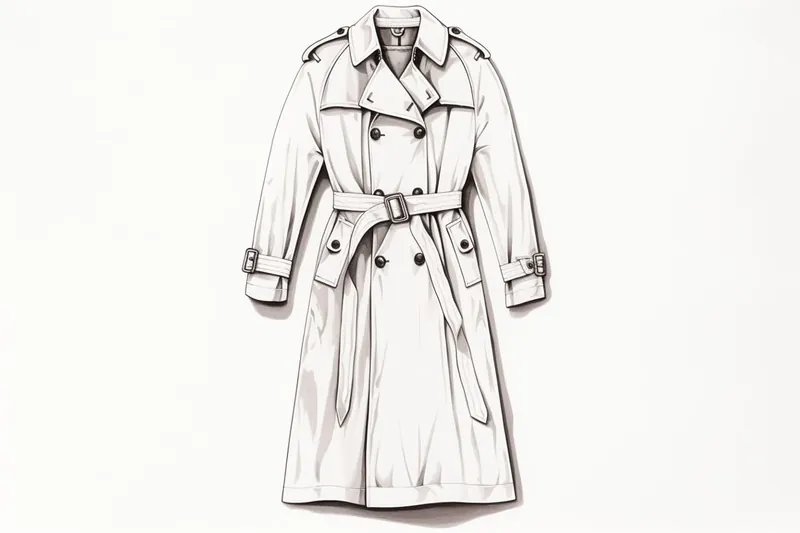
Materials You'll Need
- Pencil
- Paper
- Eraser
The trench coat is an iconic piece of outerwear, instantly recognizable by its classic silhouette, distinctive lapels, and belted waist. Originally designed for military officers in the early 20th century, the trench coat has since become a timeless staple in both fashion and popular culture, symbolizing elegance, sophistication, and even a touch of mystery. Whether you are interested in fashion illustration, character design, or simply want to improve your ability to capture clothing and fabric in your artwork, learning how to draw a trench coat is a valuable skill that can enhance your creative projects and personal portfolio.
People are drawn to illustrating trench coats for a variety of reasons: perhaps you want to design your own fashion looks, create compelling comic characters, or develop your understanding of how garments drape and fold on the human form. Drawing a trench coat offers the opportunity to practice rendering texture, detail, and movement, especially through techniques such as layering, shading, and adding subtle creases. This tutorial on how to draw a trench coat is suitable for artists of all skill levels, from beginners who want to build their confidence with clothing to more experienced artists seeking to refine their technique and add flair to their figure drawings.
Throughout this tutorial, you'll find step-by-step guidance that breaks down the process into manageable stages, starting with the basic structure and proportions before moving on to details like buttons, seams, and shadows. With patience and practice, you'll be able to create a stylish and realistic trench coat illustration that you can be proud of. So gather your materials, get comfortable, and let's dive in—remember, every great artist starts with a single line, and you have everything you need to succeed!
Materials Required
Before we begin, gather the following materials:
- Pencil (preferably HB or 2B)
- Eraser
- Paper (any type of sketching paper will suffice)
- Ruler (optional, but useful for precise measurements)
Now that we have our materials ready, let's dive into the process of drawing a trench coat.
Step 1: Outline the Basic Shape
To start, lightly sketch a vertical line down the center of your paper. This line will serve as the guideline for the coat's symmetry. Next, draw a horizontal line slightly below the center of the page. This line represents the waistline of the coat. Use light strokes to draw a trapezoidal shape extending from the waistline downwards, creating the outline of the coat's torso.
Step 2: Add the Lapel and Collar
At the top of the coat's torso, draw a curved line on each side, starting from the center guideline and extending outward. These lines will form the lapels of the trench coat. Connect the ends of the lapels with a curved line, creating the collar. Ensure that the collar wraps around the neck and extends towards the shoulders on each side.
Step 3: Sketch the Shoulders and Sleeves
From the top of the collar, draw two slightly curved lines that extend diagonally outward. These lines represent the shoulders of the coat. Add two parallel lines on each side, starting from the shoulder level and extending downwards. These lines form the basic structure of the sleeves.
Step 4: Define the Waist and Hemline
Using a ruler, draw a horizontal line slightly below the waistline. This line will determine the position of the coat's belt. Extend the vertical lines of the torso downwards, creating the shape of the coat's skirt. Add a slightly curved line at the bottom, defining the hemline. Ensure that the hemline is longer in the back than in the front, as this is a characteristic feature of a trench coat.
Step 5: Refine the Shape and Details
Now that the basic structure is complete, it's time to refine the sketch and add more details. Use bold, confident lines to outline the coat, emphasizing its shape and contours. Pay close attention to the lapels, collar, and sleeves, ensuring that they follow the natural curves and folds of the fabric. Erase any unwanted guidelines and adjust the proportions if necessary.
Step 6: Add Buttons and Pockets
Add buttons to the front to make the trench coat look more realistic. Draw small circles evenly spaced along the center line, starting from the collar and extending down to the hemline. Then, include pockets on each side of the coat's torso. Draw rectangular shapes at the appropriate height, ensuring they align with the coat's seams. You can sketch flaps over the pockets for added detail, giving them a three-dimensional appearance.
Step 7: Finalize the Drawing with Shading and Textures
To bring your trench coat illustration to life, it's essential to incorporate shading and textures. Use cross-hatching or hatching techniques to add depth to the coat's folds and creases. Pay attention to the areas where light and shadow interact, such as the collar and the sleeves. Additionally, you can create texture by lightly sketching horizontal lines across the coat's fabric, giving it a woven appearance.
Tip: To effectively capture the essence of a trench coat in your drawing, focus on the interplay of light and shadow to convey its structure and texture. Start by lightly sketching the coat's outline, paying close attention to the placement of lapels, sleeves, and the belt; use reference images to ensure accuracy. Once the basic shape is established, layer your shading with a soft pencil or charcoal, using a blending stump to achieve smooth transitions that mimic the coat's fabric. Remember to incorporate subtle creases and folds, particularly around the areas where the coat naturally drapes or gathers; these details will add depth and realism to your illustration. Lastly, consider the light source in your piece, as this will help you determine where to place highlights and shadows, enhancing the overall three-dimensionality of your trench coat.
Conclusion
Drawing a trench coat may require some attention to detail, but with practice and patience, you can master this fashion illustration. By following the step-by-step instructions provided in this guide, you'll be able to create a stylish and realistic rendition of a trench coat. Remember to focus on the fundamental shapes, proportions, and textures, and don't hesitate to experiment with your techniques to add your unique touch to the final artwork. So grab your pencil and paper, and let's start drawing a trench coat today!
Fun Facts About Trench Coat
- The trench coat was originally designed for British military officers during World War I.
- Burberry is credited with popularizing the trench coat using gabardine fabric and submitting early military designs by 1901.
- The classic trench coat features D-rings, epaulettes, and storm flaps for military utility, which later became style staples.
- Trench coats were issued exclusively to officers and warrant officers, cementing their association with authority.
- Early prototypes like Burberry's Tielocken emerged by 1901, predating World War I.
- Aquascutum competed with Burberry, asserting earlier waterproof coat designs from the 1850s.
- After the war, the trench coat transitioned to civilian wear, symbolizing resilience through its wartime legacy.
- Oversized pockets held maps, while belts secured gear in combat zones.
- The trench coat's iconic silhouette was later adopted by Hollywood and detective fiction.
Suggestions for Scenes and Settings for Trench Coat Drawings
- A detective in a dimly lit alleyway, trench coat collar turned up against the rain, with city lights reflected on wet pavement.
- A fashion runway model showcasing a dramatic, high-fashion trench coat with bold accessories and striking poses.
- A spy silhouetted on a foggy train platform, gripping a briefcase, trench coat fluttering in the wind from an approaching locomotive.
- An artist painting en plein air in a bustling Parisian street, wearing a paint-splattered trench coat and beret.
- [A windswept beach scene with a person walking along the shore in a trench coat, scarf blowing, and seagulls](https://yonderoo.com/how-to-draw-a-seagull/) overhead.
- Two friends sharing one oversized trench coat during a sudden downpour, laughing as they dash across a city square.
- A classic film noir-inspired scene: a mysterious figure in a trench coat and fedora, half-hidden in shadow under a streetlamp.
- An explorer trudging through an autumn forest, leaves swirling around their boots, trench coat belted tight for warmth.
- A modern superhero in a customized trench coat, standing on a rooftop overlooking a neon-lit metropolis at night.
- A bustling café in the rain, with patrons in trench coats hanging them on hooks or draping them over chairs as they settle in.