How to Draw Godzilla in 5 Simple Steps
Learn how to draw the legendary Godzilla with this step-by-step tutorial that breaks down the King of Monsters into manageable shapes
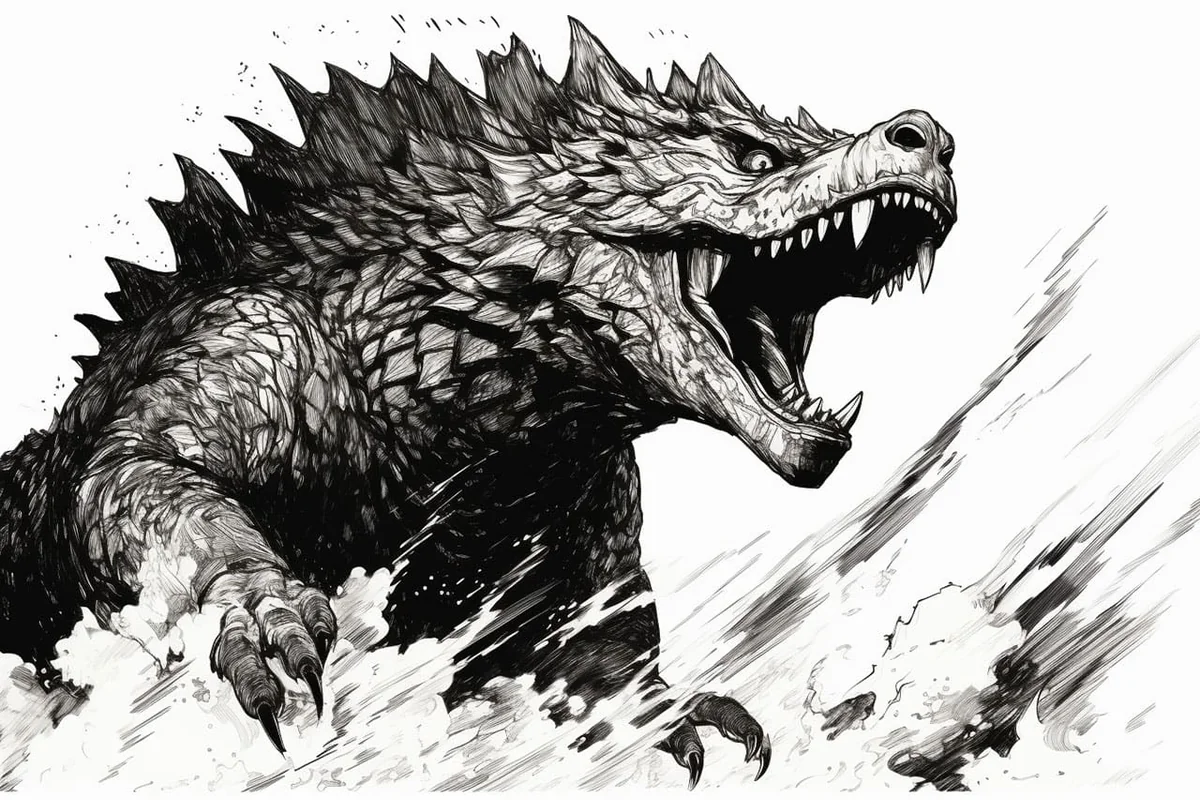
Materials You'll Need
- Pencil (2B for sketching, 4H for final lines)
- Eraser
- Drawing paper
- Reference picture of Godzilla
- Optional - Colored pencils or markers
How to Draw Godzilla in 5 Simple Steps
Ready to draw the King of the Monsters? Godzilla is an iconic character that combines reptilian features with immense power and presence. This tutorial will guide you through creating your own fearsome Godzilla drawing using simple shapes and techniques.
Materials You'll Need
Before we unleash our creativity, gather these supplies:
- Pencils - A softer 2B for initial sketching, firmer 4H for final lines
- Eraser - For corrections and adjustments
- Drawing paper - Any quality paper will work
- Reference picture - Having a Godzilla image helps with details
- Optional - Colored pencils or markers for adding depth and highlights
Understanding Godzilla's Anatomy
Before we start drawing, let's understand what makes Godzilla unique:
- Massive, upright posture - Unlike regular lizards, Godzilla stands tall
- Thick, muscular limbs - Built for power and destruction
- Distinctive dorsal plates - The iconic spikes along the back
- Reptilian features - Scales, sharp teeth, and fierce expression
- Long, powerful tail - Used for balance and as a weapon
Step 1: Draw the Basic Shapes
Let's build Godzilla's foundation using simple geometric shapes:
The Body Framework
- Start with a large oval for the torso - this should be the biggest shape on your paper
- Draw a smaller oval above and slightly forward for the head
- Connect these ovals with curved lines to form the neck
- Sketch long lines extending down from the body for the legs
- Add shorter lines from the upper body for the arms
Pro Tip
Start with basic shapes to form the body structure. Use an oval for the torso, smaller ovals for limbs, and a triangle shape for the tail to ensure your proportions are accurate before adding details.
Positioning
- Godzilla should appear to be standing upright, slightly leaning forward
- The arms should be positioned as if ready to grab or strike
- Leave plenty of space below for the tail
Step 2: Refine the Shapes
Now let's transform those basic shapes into Godzilla's recognizable form:
The Tail
- Draw a long, thick tail extending from the lower back
- The tail should taper gradually to a point
- Make it curve slightly - this adds dynamism to your drawing
The Signature Spikes
- Add triangular dorsal plates along the spine
- Start with smaller plates at the neck
- Make them largest at the middle of the back
- Gradually decrease size toward the tail tip
- These plates should have a slightly jagged, organic shape
Limbs and Extremities
- Thicken the arm and leg lines to show Godzilla's massive muscles
- Add sharp claws at the end of each finger and toe
- The feet should be large and powerful, able to support the massive weight
- Give the hands a grasping position with spread fingers
Step 3: Sketch the Details
Time to bring Godzilla's fearsome personality to life:
The Face - Where Terror Lives
- Draw the fierce facial expression that makes Godzilla legendary
- Create intense eyes - small but filled with primal fury
- Add flared nostrils on the snout
- Don't forget the eyebrow ridges for that menacing look
The Mouth - Gateway to Destruction
- Draw the mouth slightly open to show aggression
- Add rows of sharp, triangular teeth
- The teeth should be visible both on top and bottom
- Consider showing the tongue for added ferocity
Skin Texture
- Begin adding wrinkles and folds around joints
- Create a scale pattern across the body
- Use crosshatching for areas of rough texture
- Add deeper lines around the neck and belly for skin folds
Step 4: Add Shading and Texture
This is where your Godzilla gains depth and realism:
Understanding Light and Shadow
- Decide on your light source (typically from above)
- Shade areas where shadows would naturally fall:
- Under the chin and neck
- Beneath the arms
- Under the belly
- Behind the dorsal plates
- Under the tail
Creating Scale Texture
- Use short, curved lines to create the rough, scaly skin
- Make scales smaller on the face and larger on the body
- Follow the body's contours with your scale patterns
- Vary the pressure to create different textures
Emphasizing Mass
- Add deeper shadows under the body to ground Godzilla
- Shade the far side of limbs to show roundness
- Use gradual shading to show muscle definition
Step 5: Final Touches
Let's complete your masterpiece:
Review and Refine
- Step back and look at your overall drawing
- Check proportions - is the head the right size? Are the limbs balanced?
- Make any necessary adjustments to the outline
Enhance the Details
- Darken the most important lines for emphasis
- Add extra detail to focal points like the face and claws
- Consider adding battle scars or weathering for character
- Enhance the dorsal plates with additional shading
Creating Atmosphere (Optional)
- Add simple background elements:
- Crushed buildings at Godzilla's feet
- Smoke or dust clouds
- Simple cityscape silhouette
- Keep backgrounds minimal to maintain focus on Godzilla
Power and Presence
- Make final adjustments to capture Godzilla's:
- Raw power
- Prehistoric nature
- Unstoppable force
- Legendary status
Advanced Techniques
Dynamic Posing
Once you've mastered the basic standing pose, try:
- Godzilla roaring with mouth wide open
- Mid-stride walking pose
- Tail-swinging action pose
- Atomic breath charging position
Different Godzilla Versions
Godzilla's design has evolved over the decades:
- Classic (1954) - More dinosaur-like, smaller dorsal plates
- Heisei Era - Bulkier, more cat-like face
- Millennium - Sharper features, larger dorsal plates
- Legendary/MonsterVerse - More realistic, bear-like proportions
Adding Special Effects
- Atomic breath - Use radiating lines from the mouth
- Glowing dorsal plates - Leave white spaces or use blue coloring
- Destruction effects - Add debris and rubble
- Water splashes - If showing Godzilla emerging from the sea
Common Mistakes to Avoid
- Making the head too large - Godzilla's head is relatively small compared to the body
- Forgetting the dorsal plates - These are essential to Godzilla's silhouette
- Making limbs too thin - Godzilla needs thick, powerful limbs
- Neglecting texture - The scaly skin is crucial for realism
- Wrong posture - Godzilla stands upright, not hunched like a regular lizard
Tips for Success
Practice Makes Perfect
- Start with quick gesture drawings to capture the pose
- Practice drawing individual parts (head, hands, dorsal plates) separately
- Study different Godzilla designs from movies and comics
Using References
- Watch Godzilla movies to understand movement
- Study reptile anatomy for realistic details
- Look at dinosaur reconstructions for inspiration
Developing Your Style
- Don't be afraid to add your own interpretation
- Experiment with different textures and shading techniques
- Try various poses and expressions
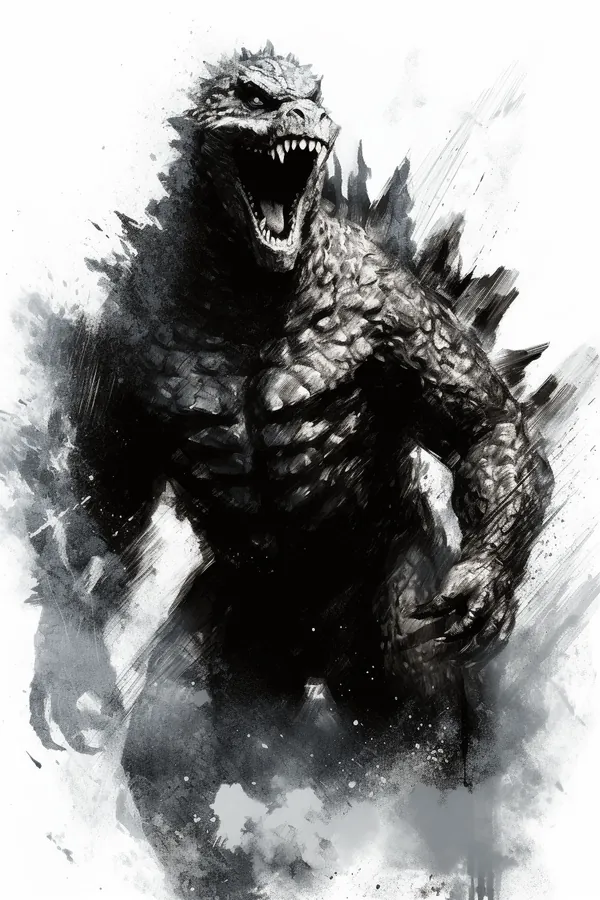
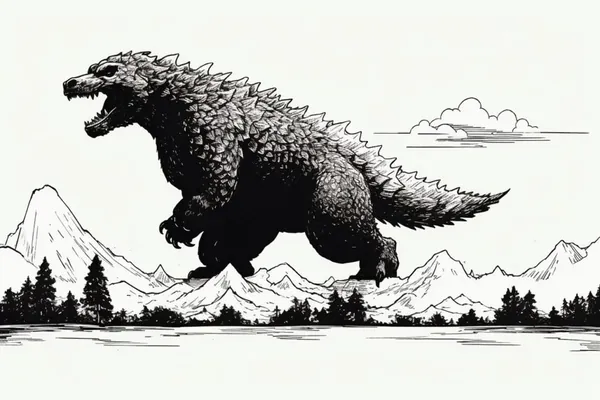
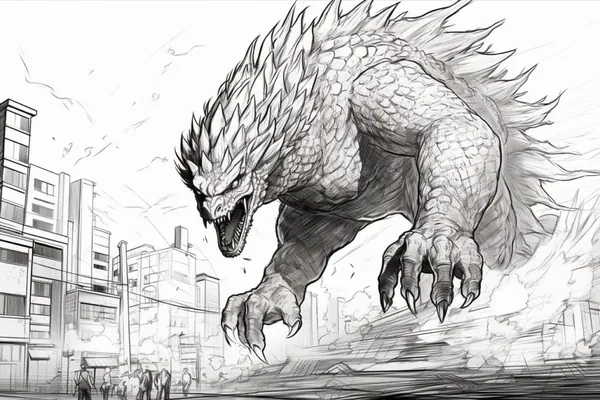
Gallery of Godzilla Drawings
Godzilla Art Gallery



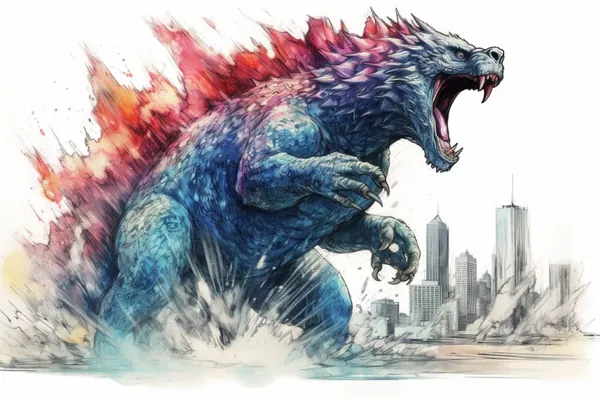

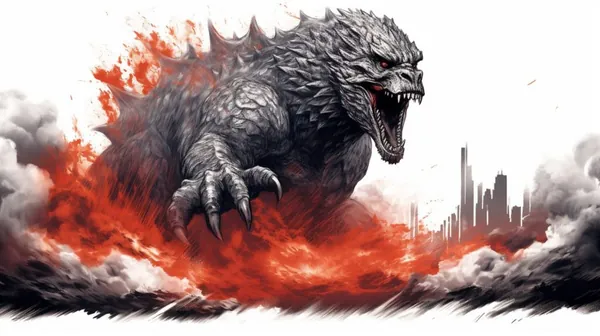
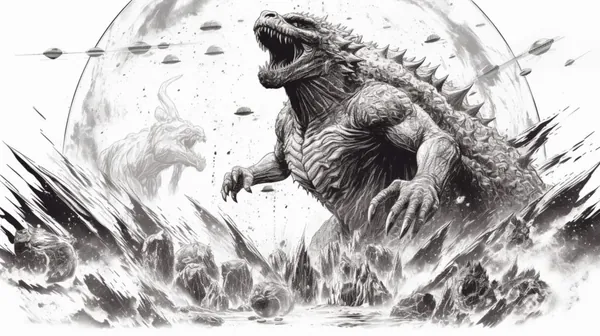
Fun Godzilla Facts
Did you know?
- Godzilla first appeared in 1954
- The name comes from "Gojira" - a combination of gorilla (gorira) and whale (kujira)
- Godzilla is typically 50-100 meters tall (depending on the version)
- The distinctive roar was created using a leather glove on bass strings
Conclusion
Congratulations! You've successfully drawn the King of the Monsters. Drawing Godzilla is about capturing not just the physical features, but the raw power and presence that has made this character a global icon for decades.
Remember, every artist brings their own vision to Godzilla. Whether you prefer the classic look or want to create your own interpretation, the key is understanding the fundamental elements that make Godzilla recognizable: the upright stance, the dorsal plates, and that unmistakable aura of power.
Keep practicing different poses and expressions. Try drawing Godzilla in various scenes - emerging from the ocean, battling other monsters, or towering over a city. Each drawing will improve your skills and deepen your understanding of this legendary character.
Now go forth and create your own monster masterpieces!