How to Draw Water Drops
Learn how to draw water drops in a realistic and captivating way with these clear step-by-step instructions. Perfect for beginners and seasoned artists alike.
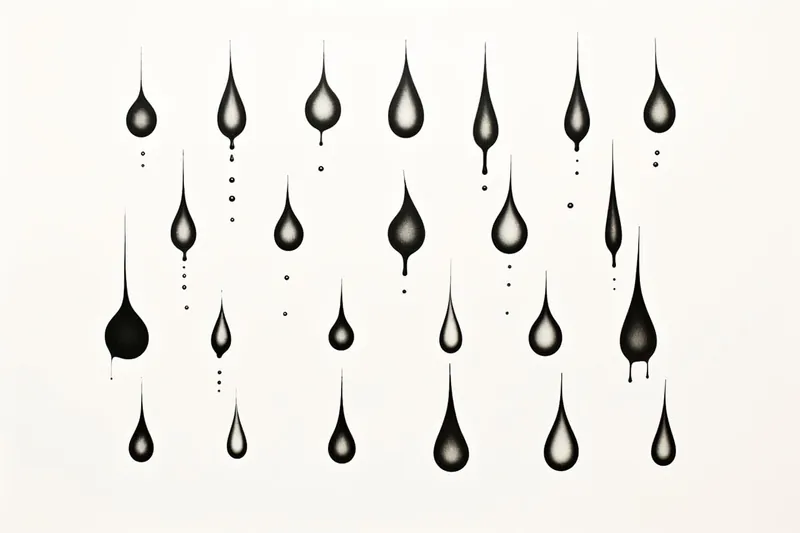
Materials You'll Need
- Pencil
- Paper
- Eraser
Water drops have long fascinated artists and viewers alike with their delicate, jewel-like appearance and the way they catch and reflect light. These tiny spheres of liquid can appear on leaves after a morning rain, bead up on glass surfaces, or roll down petals and fruit, capturing the essence of freshness and life itself. Because of their transparency and reflective nature, water drops present a unique and beautiful challenge for artists, offering endless opportunities to experiment with highlights, shadows, and subtle gradients.
Learning how to draw water drops is not just about replicating a simple shape—it's about understanding how light interacts with water and how reflections and refractions create a sense of realism. Many artists aim to include realistic water drops in their work to enhance the overall impact of a composition, add detail to botanical illustrations, or create a sense of atmosphere in a larger scene. Whether you're drawing a dewy leaf or a glistening windowpane, mastering water drops can elevate your art and impress viewers with your attention to detail.
This tutorial is designed for artists of all skill levels, from curious beginners to those looking to refine their techniques. We'll explore fundamental drawing concepts such as observation, shading, and blending, focusing specifically on how to achieve the illusion of transparency and three-dimensionality. If you've been searching for a straightforward, approachable method for how to draw water drops, you're in the right place. Through step-by-step instructions and helpful tips, you'll learn how to break down complex visual information into manageable parts and create convincing, realistic water drops using just pencils and paper.
Remember, practice and patience are key when learning any new art technique. Don't be discouraged if your first attempts don't look exactly as you hoped. The more you observe and practice, the better you'll become at capturing the mesmerizing beauty of water drops. So gather your materials, open your mind to experimentation, and let's embark on this creative journey together—soon you'll be able to add sparkling, lifelike water drops to your own artwork!
Materials Required
Before we dive into the drawing process, make sure you have the following materials on hand:
- Drawing paper or sketchbook
- Pencils (preferably a range of hardness, from 2H to 6B)
- Eraser (kneaded erasers work best)
- Blending stumps or cotton swabs
- Pencil sharpener
- Ruler (for measuring and creating straight lines)
- Reference image of water drops (optional but recommended for practice)
Now that you have your materials ready, let's begin the exciting journey of drawing water drops!
Step 1: Observe and Understand
Before putting pencil to paper, take a moment to observe and study the unique characteristics of water drops. Notice their shape, transparency, and the way light interacts with them. Understanding these attributes will help you draw them more accurately.
Step 2: Outline the Shape
Start by lightly sketching the outline of the water drop. Remember, water drops come in various forms and sizes, so feel free to experiment and create different shapes. Keep your pencil strokes loose and gentle, as you will refine the shape later.
Step 3: Add Highlights and Shadows
To create a realistic effect, add highlights and shadows to your water drop. Observe the light source in your reference image (or imagine it if you're drawing from imagination). Add a lighter tone where the light hits the drop and create darker areas in places where shadows are cast. This contrast will create a three-dimensional appearance.
Step 4: Refine the Shape
Using a sharper pencil, refine the outline of your water drop. Pay attention to the curves and edges, ensuring a smooth and natural flow. As you refine, remember that water drops have a slightly tapered bottom and a rounder top.
Step 5: Create Transparency
Water drops have a transparent nature, which gives them their captivating quality. To achieve this effect, lightly shade the inner part of the drop while leaving the edges and highlights untouched. Gradually build up the tone, using a range of pencils to create depth.
Step 6: Enhance the Reflections
The reflection in a water drop is another fascinating element. Determine what objects or scenery is reflected, and carefully sketch these details within the drop. Add highlights to emphasize the reflection, creating a captivating illusion of a miniature world within the drop.
Step 7: Texture and Detail
To add texture and detail to your water drop, use a kneaded eraser to gently lift off some graphite in areas where highlights are needed. This technique helps create a sparkling effect, making the drop seem more realistic. Experiment with different erasing techniques until you're satisfied with the result.
Step 8: Soften Edges
Water drops have soft edges due to their liquid nature. Use a blending stump or a cotton swab to carefully blend the pencil strokes and soften the edges of your drawing. This will give your water drop a more organic and natural appearance.
Step 9: Final Touches
Take a step back and assess your drawing. Make any necessary adjustments, add extra details, or refine highlights and shadows to enhance the realism of your water drop. Remember, practice makes perfect, so don't be discouraged if your first attempt doesn't turn out exactly as you imagined.
Tip: To enhance your drawing of water drops, pay close attention to the light source and how it interacts with both the drop and its surroundings; this will help you create more dynamic highlights and shadows. Experiment with varying your pencil pressure when adding shading, as lighter strokes can suggest transparency while deeper tones can emphasize depth. Additionally, using a reference image can significantly improve your understanding of the subtle nuances in light and texture, making your water drops appear more realistic and captivating.
Mistake Alert: A common mistake when drawing water drops is making them look flat by outlining them too heavily or using the same shading all around the drop. This often happens because it feels natural to define the edges with a strong line, but real water drops have soft, blurry edges in most places and only a small, sharp highlight where the light hits. To fix this, try using a kneaded eraser to gently lift out the edges and keep your pencil pressure light, especially along the bottom and sides of the drop. Focus on creating a crisp highlight and a soft shadow beneath the drop to suggest its roundness and transparency—this subtle combination is what gives water drops their lifelike sparkle!
Conclusion
Drawing water drops can be a challenging yet rewarding endeavor. By following these step-by-step instructions, you've gained valuable insights into capturing the beauty of water drops in your artwork. With practice and patience, you'll soon be able to create stunning, lifelike water drops that will truly mesmerize your audience. So keep honing your skills, and remember that the journey of art is as important as the destination.
Fun Facts About Water Drops
- Water drops are naturally spherical due to surface tension, which minimizes their surface area.
- Raindrops don't actually look like teardrops as often depicted; they are more rounded on the bottom and flatter on top.
- Water drops can act as tiny lenses, magnifying whatever is beneath them.
- The phenomenon of water drops beading up on surfaces is called the hydrophobic effect.
- When sunlight passes through water drops, it can create rainbows through refraction and reflection.
- Dew drops form on cool surfaces by condensation when the air is saturated with moisture.
- Water drops can remain suspended on spider webs due to the web's unique structure and surface chemistry.
- Superhydrophobic surfaces, like lotus leaves, cause water drops to roll off easily, a phenomenon known as the "lotus effect".
Suggestions for Scenes and Settings for Water Drops Drawings
- Dew-kissed leaves at sunrise, with multiple water drops catching early morning light.
- Water drops sliding down a windowpane during a gentle rain, reflecting the blurred world outside.
- A close-up of ripe fruit (like an apple or grape) with beads of condensation shimmering on its surface.
- Petals of a colorful flower adorned with glistening water drops after a spring rain shower.
- Macro view of a spider web sparkling with tiny water drops, creating a natural mosaic of reflections.
- A single water drop perched on the edge of a feather, magnifying the intricate details beneath.
- Water drops on a blade of grass, each one acting as a miniature lens refracting the greenery around it.
- Multiple drops on a car window, with reflections of city lights at night creating an atmospheric mood.
- Reflections of a tiny landscape (like trees or sky) inside a water drop resting on a flat surface.
- Water drops clinging to the rim of a drinking glass, capturing highlights and the surrounding environment.