How to Draw an Otter
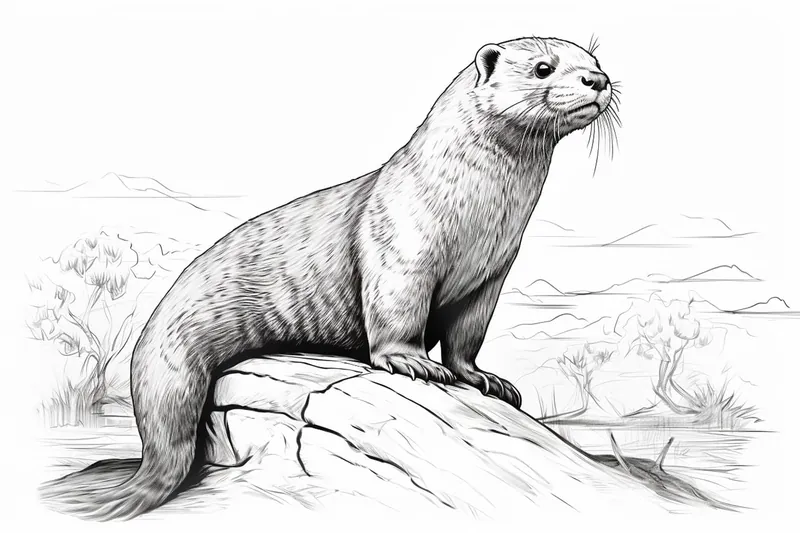
Learn how to draw an otter with this step-by-step tutorial. Follow the instructions and create a realistic and adorable otter drawing. Perfect for beginners and experienced artists alike!
Materials You'll Need
- Pencil
- Paper
- Eraser
Welcome to this comprehensive tutorial on how to draw an otter, one of nature's most charming and playful creatures. Otters are semi-aquatic mammals known for their sleek, streamlined bodies, expressive faces, and endearing antics. Their unique combination of agility and cuteness makes them a favorite subject for artists of all ages. Drawing an otter not only helps you practice capturing animal anatomy and movement, but it also allows you to portray the joyful energy these animals are famous for—whether floating on their backs, holding hands, or playfully diving through the water.
Learning how to draw an otter can be both fun and rewarding, whether you are an aspiring artist building your skills or someone who simply enjoys sketching animals for relaxation. This tutorial is designed with beginners in mind but also offers helpful tips for more experienced artists looking to add realism and personality to their animal drawings. You'll explore techniques such as breaking down complex shapes, sketching basic outlines, refining details, and adding texture to mimic the otter's soft fur and lively expression. By the end of this guide, you'll have a delightful otter illustration and a stronger grasp of drawing animal forms.
Don't worry if you're just starting out—drawing is a journey, and every sketch helps you improve. Grab your favorite pencil and some paper, and let's dive into the creative process together. With a bit of patience and practice, you'll discover how enjoyable and accessible drawing otters can be. Let's get started on your own adorable otter masterpiece!
Materials Required
Before we begin, let's gather the materials you'll need for this drawing:
- [Drawing paper or sketchbook](https://yonderoo.com/best-sketchbooks-for-artists/)
- Pencil (preferably an HB or 2B)
- Eraser
- Fine-tip black pen or marker (optional)
- Colored pencils or markers (optional)
Now that we have everything we need, let's dive into the step-by-step process of drawing an otter.
Step 1 - Sketch the Basic Shapes
To start, lightly sketch the basic shapes that make up the otter's body. Begin by drawing a large oval shape for the body, slightly tilted to one side. This oval will be the main part of the otter's body. Next, draw a smaller oval on top of the first one, just slightly overlapping. This oval will represent the head.
Step 2 - Add the Facial Features
Now, it's time to add some facial features to our otter. Draw two small circles inside the head shape for the eyes, leaving some space in between. Within each eye, draw a smaller circle to represent the pupils. Then, slightly below the eyes, draw a small triangular shape for the otter's nose. Connect the nose to the head with a curved line, giving it a rounded appearance.
Step 3 - Define the Body
In this step, we will define the otter's body and give it some shape. Start by drawing a curved line that connects the head to the body, creating the otter's neck. Next, draw two curved lines extending from the body, making a rounded shape for the back. The otter's body should taper towards the tail. Finally, add a small, curved line at the end of the body to represent the tail.
Step 4 - Draw the Legs and Paws
Now, let's give our otter some adorable little legs and paws. Draw two curved lines extending from the bottom of the body, slightly bending towards each other. These lines will be the otter's front legs. At the end of each line, draw a small oval shape to represent the otter's front paws. Repeat this process for the back legs, making sure to position them slightly behind the front legs.
Step 5 - Refine the Details
In this step, we will refine the details of our otter drawing. Start by erasing any unnecessary guidelines and overlapping lines. Then, add some small curved lines inside the ears to give them texture. Next, draw a curved line that extends from the otter's nose to represent the mouth. Add a few whiskers on each side of the nose for extra cuteness.
Step 6 - Add Fur Texture
To bring our otter to life, let's add some fur texture. Start by lightly sketching small curved lines on the otter's body and tail. These lines should follow the direction of the otter's fur, creating a sense of softness and depth. To enhance the fur texture, you can use a fine-tip black pen or marker to outline the otter's body and add more definition to the fur.
Step 7 - Optional: Color Your Otter
If you'd like to add some color to your otter drawing, now is the time to do so. Use colored pencils or markers to fill in the different parts of the otter's body. Otters typically have a brownish color, but feel free to get creative and experiment with different shades. Remember to start with lighter colors and gradually build up the darker tones for a more realistic effect.
Tip: When sketching your otter, start by lightly mapping out its body using simple shapes—think of an elongated oval for the torso, a smaller circle for the head, and gentle curves for the tail and limbs. This helps you capture the otter's streamlined, flexible form before committing to details. Keep your pencil strokes soft and loose at this stage so you can easily adjust proportions as you go. Once you're happy with the pose, gradually refine the outline, paying special attention to the expressive eyes and rounded muzzle, which are key to the otter's playful character.
Conclusion
Congratulations! You've successfully learned how to draw an otter from start to finish. By following these step-by-step instructions, you should now have a charming otter drawing that you can be proud of. Remember, practice makes perfect, so feel free to revisit this tutorial and try drawing otters in different poses or perspectives. Keep exploring your artistic skills and enjoy the process!
Fun Facts About Otters
- Otters hold hands while sleeping to avoid drifting apart, a behavior known as rafting.
- There are 13 different species of otters found around the world.
- Otters have the densest fur of any animal, with up to a million hairs per square inch.
- Some otters use rocks as tools to crack open shellfish and clams.
- River otters can hold their breath underwater for up to 8 minutes.
- Otters are excellent swimmers and can reach speeds of up to 7 miles per hour.
- Sea otters play a crucial role in maintaining kelp forest ecosystems by controlling sea urchin populations.
- Baby otters are called pups and are born with their eyes closed.
Suggestions for Scenes and Settings for an Otter Drawings
- An otter floating on its back in a river, holding a pebble on its belly.
- Two otters holding hands while drifting together among water lilies.
- A playful otter diving underwater, surrounded by bubbles and fish.
- An otter perched on a riverbank, curiously sniffing a wildflower.
- A family of otters sliding down a muddy riverbank into the water.
- An otter building a nest with reeds and twigs along the shore.
- A close-up of an otter's face, emphasizing its whiskers and expressive eyes.
- An otter juggling small stones or shells in its paws.
- An otter pup learning to swim beside its parent in a tranquil stream.
- An otter in a snowy landscape, with frosty whiskers and a shimmering river.