How to Draw a Wood Duck
Learn how to draw a wood duck with this step-by-step tutorial. Follow the expert artist's instructions to create a realistic and detailed drawing of this beautiful bird.
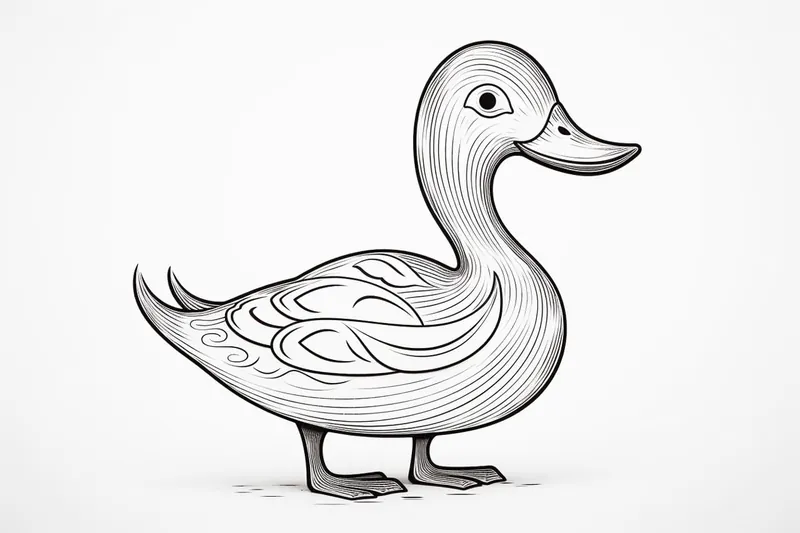
Materials You'll Need
- Pencil
- Paper
- Eraser
Welcome to this in-depth tutorial on how to draw a wood duck, one of North America's most stunning and easily recognizable waterfowl. The wood duck is celebrated for its iridescent plumage and striking patterning, with bold markings that make it a favorite among bird watchers and nature artists alike. Its distinctive crested head, vivid emeralds, purples, and chestnut tones offer a wonderful opportunity to practice both observation and artistic technique, making it an ideal subject for anyone looking to expand their drawing skills or add a splash of color and realism to their wildlife art portfolio.
Learning how to draw a wood duck can be both a rewarding and educational experience, whether you are a beginner eager to try your hand at drawing birds or a more experienced artist interested in capturing the complexity of feathers and reflective water surfaces. This tutorial is designed to guide you step by step, from simple shapes and sketching out the duck's form, to building up intricate details and layering color or shading for realism. You'll practice techniques such as outlining, shading, and texturing, which are valuable for any art project involving animals or natural subjects.
Don't worry if you're new to drawing or if you've never attempted a bird with such elaborate markings before—this guide breaks down the process into manageable steps and encourages you to explore your creativity along the way. By the end, you'll not only have a beautiful wood duck illustration to be proud of, but you'll also gain new artistic skills and confidence. So gather your materials, find a comfortable workspace, and let's embark together on this creative journey to discover how to draw a wood duck with clarity and flair!
Materials Required
To begin your wood duck drawing, gather the following materials:
- Pencil (preferably an HB or 2B for smoother lines)
- Eraser (either a kneaded eraser or a soft vinyl eraser)
- Drawing paper (choose a heavyweight paper with a smooth surface)
- Fine-tip black marker (optional, for outlining)
- Colored pencils or watercolors (optional, for adding color)
Now that you have your materials ready, let's dive into the steps of drawing a wood duck.
Step 1: Outline the Basic Shape
Start by lightly sketching an oval shape for the wood duck's body. This oval will serve as a guide for the duck's overall posture and size. Next, add a smaller oval shape at the front for the head. Connect the body and head with a curved line, creating a smooth transition. Don't worry about adding too much detail at this stage; we'll refine the shape in the following steps.
Step 2: Define the Head and Beak
Tip: As you progress through the steps of drawing the wood duck, consider using reference photos or observing live ducks to enhance your understanding of their unique features and colors. This practice not only aids in capturing intricate details like feather patterns and coloration but also helps you develop your observational skills, which are crucial for realistic wildlife art.
Using the outline you created, start shaping the head of the wood duck. Add more definition and detail by drawing a rounded shape for the top of the head, and a curved line below it for the lower jaw. Draw a small, pointed triangle at the end of the lower jaw to represent the beak. Wood ducks have a distinctively long and narrow beak, so be sure to capture its shape accurately.
Step 3: Draw the Eye and Facial Features
Now it's time to add some life to your wood duck drawing by adding the eye and facial features. Draw a small circle within the head shape for the eye. Within the eye, add a smaller circle to represent the pupil. Around the eye, lightly sketch a series of short lines to indicate the feathers. Take your time to carefully observe the reference photo or real-life wood ducks to capture the intricate details.
Step 4: Sketch the Neck and Body
Extend the curved line from the head to create the neck of the wood duck. Then, using quick and light strokes, sketch the body shape around the oval guide. Focus on creating the outline of the bird's back, chest, and tail feathers. Remember, wood ducks have a distinctive long tail, so take care to represent its shape accurately.
Step 5: Add Feathers and Wing Details
Next, we'll add more details to the wood duck's feathers and wings. Start by sketching the wing shape extending from the body. Wood ducks have unique patterns on their feathers, so take your time to capture their intricate designs. Use short, curved lines to represent the individual feathers. Pay attention to the direction and flow of the feathers, as this will add realism and depth to your drawing.
Step 6: Refine the Details
Now that you've established the basic shape and overall structure of the wood duck, it's time to refine the details. Go over your initial sketch and darken the lines, focusing on adding depth and dimension. Take a closer look at the reference photo or observe the duck in real life to notice any subtle variations in color and marking. Use your pencil to add shading and texture to create a more realistic representation.
Step 7: Optional Outlining
If you want to give your wood duck drawing a bolder and more defined look, you can use a fine-tip black marker to outline the main features. This step is optional but can help enhance the contrast and make your drawing stand out.
Step 8: Adding Color (Optional)
If you prefer, you can add color to your wood duck drawing using colored pencils or watercolors. Wood ducks have vibrant feathers, so choose colors that closely match their natural hues. Gradually build up layers of color, starting with lighter shades and gradually adding darker tones to create depth and texture. Be sure to blend and layer the colors smoothly for a realistic effect.
Conclusion
Congratulations! You have successfully learned how to draw a wood duck from start to finish. By following these step-by-step instructions, you have created a detailed and lifelike representation of this beautiful bird. Remember to keep practicing, as it takes time and patience to develop your drawing skills. I hope you enjoyed this tutorial and that it has inspired you to explore the world of wildlife art further. Happy drawing!
Fun Facts About Wood Ducks
- The wood duck is one of the few North American ducks that nests in trees, often using natural cavities or nest boxes.
- Male wood ducks are known for their iridescent plumage, featuring striking greens, purples, and chestnut colors.
- Wood duck ducklings can leap from their nest cavities, sometimes over 50 feet high, just one day after hatching.
- Unlike most ducks, wood ducks have strong claws that help them perch on branches and navigate tree cavities.
- Their scientific name, Aix sponsa, means "waterbird in wedding dress," referencing the male's ornate appearance.
- Wood ducks are found throughout North America, especially in wooded swamps, marshes, and streams.
- They are one of the few duck species that can produce two broods in a single breeding season.
- Wood ducks were once nearly extinct in the early 1900s due to overhunting and habitat loss, but conservation efforts have helped their populations recover.
- They have a unique whistling call that distinguishes them from other ducks.
Suggestions for Scenes and Settings for Wood Duck Drawings
- A wood duck perched on a mossy log overhanging a tranquil woodland pond, surrounded by reflections of autumn foliage.
- A close-up portrait of a wood duck's head, emphasizing its iridescent feather details and vibrant eye markings against a soft, blurred background.
- A mother wood duck leading her ducklings through a marsh filled with blooming water lilies and tall reeds.
- A pair of wood ducks in flight above a misty river at sunrise, their wings outstretched and catching the golden light.
- A wood duck emerging from a hollow tree cavity, showcasing its natural nesting habitat among the branches.
- A dynamic scene of a wood duck diving beneath the water's surface, with ripples and underwater plants visible.
- A wood duck standing on a snow-dusted bank, contrasting its bright plumage with the cool tones of winter scenery.
- A juvenile wood duck paddling beside lily pads, practicing its first independent explorations in a sunlit pond.
- An artistic interpretation of a wood duck surrounded by swirling autumn leaves, blending realism and abstraction.
- [A wood duck interacting with other pond creatures, such as frogs, dragonflies](https://yonderoo.com/how-to-draw-a-dragonfly/), or turtles, in a lively wetland ecosystem.