How to Draw a Thunderstorm
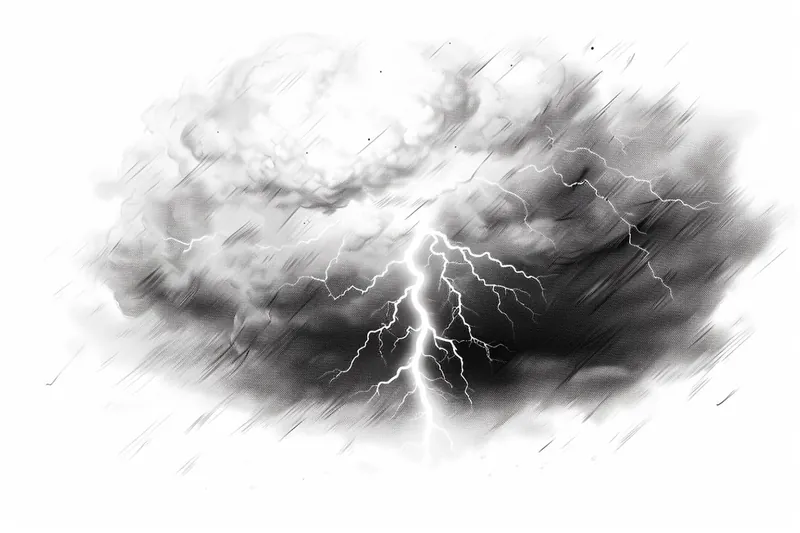
Learn how to draw a thunderstorm step-by-step with this comprehensive tutorial. Create a captivating illustration of a powerful thunderstorm using simple drawing techniques and watercolors.
Materials You'll Need
- Pencil
- Paper
- Eraser
Thunderstorms are one of nature's most dramatic and awe-inspiring phenomena, filling the sky with towering clouds, flashes of lightning, and rolling waves of rain. Capturing this raw energy and dynamic movement on paper can be both exciting and rewarding for artists of all levels. This tutorial on how to draw a thunderstorm will guide you through the process of depicting billowing storm clouds, streaks of lightning, and the atmospheric effects that make thunderstorms so captivating. Whether you're fascinated by weather, enjoy drawing landscapes, or want to add emotion and tension to your art, learning to illustrate a thunderstorm is a fantastic skill to develop.
Artists might be drawn to thunderstorms for their moody skies and powerful visual contrasts, which can evoke feelings of drama, mystery, and wonder. Drawing a thunderstorm allows you to experiment with a variety of techniques, from shading and blending to capturing the intensity of light and shadow. In this tutorial, we'll break down the process step by step, making it accessible even if you're a beginner. More advanced artists can use this as an opportunity to refine their rendering of atmospheric perspective and dynamic lighting. No matter your skill level, you'll learn essential tips and tricks for making your stormy scene come alive.
So, if you've ever wondered how to draw a thunderstorm that feels as electrifying as the real thing, you're in the right place! Gather your favorite pencils, inks, or watercolors, and prepare to unleash your creativity. With a bit of practice and guidance, you'll be able to craft a striking thunderstorm scene that truly stands out. Let's dive in and bring the energy of the storm to your sketchbook!
Materials Required
Before we begin, gather the following materials:
- Drawing paper
- Pencil
- Eraser
- Black ink pen
- Watercolor paints (blue, gray, white, and black)
- Paintbrushes (medium and fine)
Now that you have all your materials ready, let's dive into the process of drawing a thunderstorm.
Step 1: Sketch the Outline
Start by lightly sketching the outline of the thunderstorm on your drawing paper using a pencil. Decide on the composition and placement of the elements such as clouds, lightning bolts, rain, and any other elements you want to include in your drawing. Remember that the pencil lines are just a guide and can be erased later, so don't worry about making mistakes at this stage.
Step 2: Add Clouds
Use your pencil to add clouds to your composition. Thunderstorms are often characterized by dark, billowing clouds. Sketch the shape of the clouds, taking into account the direction of the wind. Add depth and dimension to the clouds by shading them lightly with your pencil.
Step 3: Introduce Lightning Bolts
Using your pencil, sketch the lightning bolts within the composition. Lightning bolts appear jagged and irregular, so avoid making them too symmetrical. Add variation in thickness to the bolts to make them look more dynamic.
Step 4: Define the Rain
Sketch the rain showers falling from the clouds using short, diagonal lines. Make the rain lines slightly slanted to indicate movement. You can choose to add more or fewer raindrops depending on the intensity of the storm you want to portray.
Step 5: Ink the Drawing
Once you are satisfied with your pencil sketch, take a black ink pen and carefully trace over the main outlines of your drawing. Use a steady hand and bring out the details of the thunderstorm, such as the edges of the clouds, the lightning bolts, and the rain.
Step 6: Erase the Pencil Guidelines
After the ink has dried, use an eraser to gently remove the pencil guidelines that are no longer needed. Be cautious not to smudge or damage the ink lines while erasing.
Step 7: Apply Base Watercolor Layer
Now it's time to bring your thunderstorm to life with watercolor paints. Start by wetting your paper with clean water using a paintbrush. Then, using a mix of blue and gray watercolor, paint the base color of the sky. Apply the paint in broad strokes, leaving some areas unpainted to create a sense of depth and movement.
Step 8: Add Cloud Shadows
Using a darker shade of gray, paint the shadows on the clouds to create a three-dimensional effect. Apply the darker paint along the undersides and edges of the clouds. Remember to leave some areas of lighter color to highlight the cloud's form and texture.
Step 9: Enhance Cloud Details
Using a fine paintbrush and diluted white watercolor, add highlights to the clouds to give them a more realistic appearance. Focus on the areas where the light would hit the clouds, such as the tops and edges. Use light, feathery strokes to create a soft and ethereal effect.
Step 10: Paint Lightning Bolts
Take a small amount of white watercolor and carefully paint the lightning bolts. Start by painting the main shape of the bolt and then add thinner branches to create a branching effect. Use a fine paintbrush to achieve precise details. Allow the white paint to dry completely before moving on to the next step.
Step 11: Accentuate the Rain
Using a mix of gray and black watercolor, paint the rain showers in your drawing. Apply the paint using short, vertical strokes to capture the falling rain. Vary the intensity of the rain by applying more or less paint to different areas of your drawing.
Step 12: Final Touches
Take a step back and assess your drawing. Add any final details or touches to enhance the overall composition. You can add splashes of watercolor to create a sense of movement or even some additional lightning bolts for added drama. Remember to let your creativity flow and make the drawing your own.
Congratulations! You have successfully drawn a thunderstorm. By following these simple steps, you were able to capture the essence and power of a thunderstorm on paper. Keep practicing, experimenting with different compositions, and techniques to further refine your skills.
Tip: To effectively capture the dramatic essence of a thunderstorm, start by layering your clouds using a mix of soft and hard pencils, like a 2B for shading and an 8B for deep shadows. Begin with light, sweeping strokes to form the base shape of your clouds, then gradually build up darker tones in specific areas to create depth and volume. Use a blending stump or your finger to smudge and soften edges, mimicking the fluffy, billowing nature of clouds. For lightning, switch to a white gel pen or a fine-tipped white marker to add sharp, bright streaks that contrast with the dark clouds—remember, jagged lines work best to convey the chaotic energy of a storm. Finally, consider adding a wash of dark blue or gray watercolor around the clouds to enhance the atmospheric feeling and create a sense of movement, drawing the viewer into your electrifying scene!
Conclusion
Drawing a thunderstorm can be both challenging and rewarding. Through this tutorial, we explored the step-by-step process of creating a captivating illustration of a thunderstorm using basic drawing techniques and watercolors. Remember to start with a pencil sketch, ink the drawing, and then add layers of watercolor to bring your storm to life. With practice and patience, you can create stunning and dynamic depictions of thunderstorms.
Now it's your turn to grab your art supplies and give it a try. Happy drawing!
Fun Facts About Thunderstorm
- Thunderstorms are most common in tropical regions, with the area around Lake Maracaibo in Venezuela experiencing the most frequent storms on Earth.
- Lightning from thunderstorms can reach temperatures of up to 30,000 Kelvin—hotter than the surface of the sun.
- About 16 million thunderstorms occur worldwide each year, with around 2,000 happening at any given moment.
- Thunder is created by the rapid expansion of air heated by a lightning bolt.
- Severe thunderstorms can produce hail, strong winds, flash floods, and even tornadoes.
- The average thunderstorm lasts about 30 minutes but can sometimes persist for several hours.
- Lightning can strike the same place more than once, especially tall structures like skyscrapers and towers.
- Thunderstorms help maintain the Earth's electrical balance by transferring negative charges from the atmosphere to the ground.
- Some thunderstorms are classified as supercells, which are capable of producing the most severe weather, including large tornadoes.
Suggestions for Scenes and Settings for Thunderstorm Drawings
- A city skyline illuminated by multiple lightning strikes, with rain cascading down tall buildings at night.
- An open countryside with a lone tree struck by lightning while dark, swirling clouds gather above a field of wildflowers.
- A mountain landscape with storm clouds rolling over the peaks and dramatic forks of lightning illuminating the valley below.
- A tranquil lake reflecting the jagged light of a thunderstorm, with ripples distorting the mirrored sky and distant thunderclouds.
- A small cottage in the woods, lights aglow, as heavy rain and bold flashes of lightning create a sense of cozy shelter amidst chaos.
- A rural highway scene with cars driving through sheets of rain, headlights blurred and the sky aglow with electric energy.
- A dramatic ocean scene, waves crashing under a tempestuous sky as lightning bolts strike the water's surface in the distance.
- A group of animals huddled for shelter beneath trees or under a rocky outcrop as a fierce storm rages above them.
- An aerial perspective looking down on patchwork fields or a cityscape, with rain clouds casting dramatic shadows and streaks of rain visible from above.
- A silhouette of a person or child watching a thunderstorm from a window, the outside world bathed in the eerie glow of lightning and rain.