How to Draw a Lemur
Learn how to draw a lemur in this step-by-step tutorial. Create a detailed and realistic representation of this fascinating animal using simple shapes and lines.
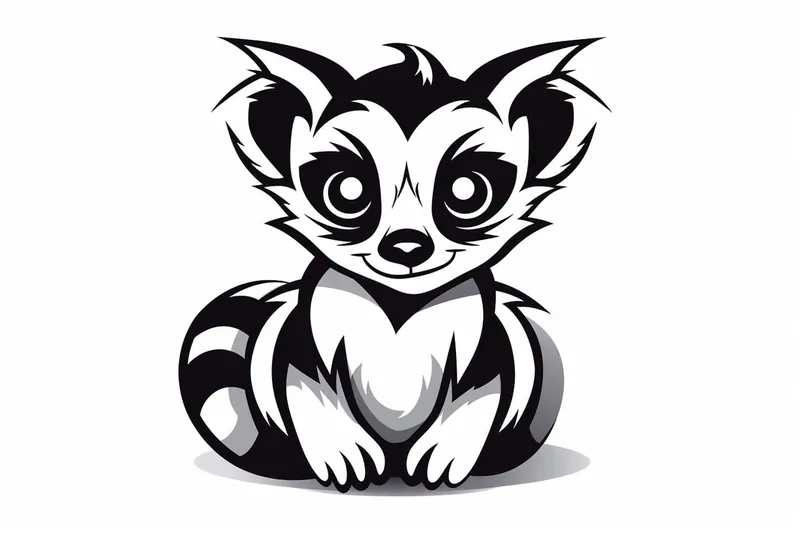
Materials You'll Need
- Pencil
- Paper
- Eraser
Lemurs are truly remarkable animals, best known for their expressive eyes, bushy tails, and agile movements. Endemic to Madagascar, these primates have captured the imagination of people all over the world with their playful antics and distinctive looks. Whether you've seen them climbing through the trees in a nature documentary or encountered them in an animated film, lemurs stand out for their endearing personalities and striking features, making them a delightful subject to explore through art.
Learning how to draw a lemur offers a wonderful opportunity to improve your observation and drawing skills while appreciating the beauty and charm of these unique creatures. You might want to draw a lemur to add to your sketchbook, enhance a wildlife project, or simply for the joy of capturing their lively expressions and curious poses. This tutorial is designed to be accessible for all skill levels, including beginners. We'll break the process down into manageable steps, starting with basic shapes and gradually building up details, so you don't need any prior drawing experience to follow along.
As you practice drawing a lemur, you'll develop your ability to see proportions, create texture, and bring life to your sketches. Don't be afraid to experiment and add your own creative touches along the way! Remember, every artist starts somewhere, and each drawing is a step forward on your artistic journey. So gather your materials, relax, and let's dive into the fun and rewarding process of drawing a lemur together. You might be surprised at what you can achieve!
Materials Required
Before we begin, gather the following materials:
- Drawing paper or sketchbook
- Pencils (HB, 2B, and 4B)
- Eraser
- Sharpener
Make sure you have a comfortable and well-lit workspace. Once you have everything ready, we can begin drawing our lemur!
Step 1: Basic Shapes
Let's start by drawing the basic shapes that will serve as the foundation for our lemur. Begin with an oval shape for the head and add a smaller circle for the body underneath it. These shapes will help us establish the proportions of the lemur.
Step 2: Facial Features
Next, let's work on the facial features of our lemur. Draw two almond-shaped eyes in the upper part of the head. Leave some space in between for the nose. Add a small curved line for the smile and a dot above it for the nose.
Step 3: Ears and Fur
Now, we'll add the ears to our lemur. Draw two curved lines extending outwards from the sides of the head, tapering to a point. Inside each ear, draw some curved lines to give them a furry texture.
For the fur on the head, draw short, curved lines radiating from the center of the head towards the edges. This will give our lemur a fluffy appearance.
Step 4: Body and Limbs
Let's move on to the body and limbs. Extend two curved lines downwards from the body circle to create the lemur's torso.
Next, draw two long curved lines extending from the body circle to form the front legs. Add curved lines at the end to represent the feet. Repeat this process for the hind legs, making them slightly longer than the front legs.
Step 5: Tail and Hands
Now we'll add the tail and hands to our lemur. Start by drawing a long, curved line extending from the back of the body circle. Add some shorter curved lines along the length of the tail to indicate fur.
For the hands, draw two curved lines at the end of each front leg. Add small ovals at the end of these lines to represent the lemur's fingers.
Step 6: Facial Details
Let's focus on the facial details of our lemur. Add a curved line above each eye to represent the eyebrows. Draw a small oval below each eye for the cheek patches.
Next, draw a curved line on each side of the head to indicate the lemur's ears. Add some lines inside the ears to give them a furry texture.
Step 7: Fur and Texture
To give our lemur a more realistic look, let's work on adding texture to its fur. Use short, curved lines throughout the body, legs, and tail to represent fur. Vary the length and direction of these lines to create depth and volume.
Step 8: Final Details
In this final step, we'll add the finishing touches to our lemur drawing. Darken the eyes and draw small circles inside them to represent the pupils. Add some lines around the nose to define its shape.
You can also add some shading to the lemur's body, focusing on areas that would naturally have shadows, such as underneath the body and limbs.
Did You Know?: Lemurs are not just adorable—they're also ancient! These primates are considered "living fossils," having evolved separately from monkeys and apes for over 60 million years on the island of Madagascar. Their large, expressive eyes aren't just for show; they help lemurs see in low light, as many species are active at dawn or dusk. When drawing a lemur, notice how their long, ringed tails are used for balance and communication within their social groups. Appreciating these unique traits can help you capture their charm and individuality in your artwork!
Tip: When drawing a lemur, pay close attention to the unique shape of their eyes, which are large and almond-shaped, often giving them an expressive look. To capture this, start by lightly sketching the basic outline of the head using simple shapes; a circle for the head and two ovals for the eyes will serve as a solid foundation. Use a fine-tipped pencil or a mechanical pencil to draw the details of the eyes, including the reflective spots that make them appear lively. For the fur, consider using a blending stump or your fingers to create soft textures, layering strokes to mimic the bushy quality of their coats. Lastly, don't forget to incorporate their long, bushy tails into your composition; use flowing lines to convey movement and add a sense of playfulness to your drawing.
Conclusion
Congratulations! You have successfully learned how to draw a lemur. By following these step-by-step instructions, you were able to create a detailed and realistic representation of this magnificent creature. Remember to practice and experiment with different poses and expressions to further develop your drawing skills. Enjoy the process, and keep exploring the world of art!
Fun Facts About Lemur
- Lemurs are only found in the wild on the island of Madagascar and a few nearby islands.
- The largest living lemur species is the Indri, which can grow up to 2.5 feet tall.
- Lemurs use their long, bushy tails for balance as they leap through the trees.
- Some lemur species, like the ring-tailed lemur, communicate using scent marking and vocalizations.
- Lemurs are considered the world's most endangered group of primates.
- The ring-tailed lemur is easily recognized by its distinctive black-and-white striped tail.
- Lemurs have a special "toothcomb" made of lower front teeth used for grooming themselves and others.
- Some lemurs, like the mouse lemur, are nocturnal and have excellent night vision.
- Lemurs play a crucial role in their ecosystem by helping to seed and pollinate plants.
Suggestions for Scenes and Settings for Lemur Drawings
- [A lemur leaping between tree branches in a lush Madagascar rainforest](https://yonderoo.com/how-to-draw-a-rainforest/).
- A playful group of lemurs sunbathing on a warm rock at sunrise.
- A curious lemur peeking out from behind large tropical leaves.
- A mother lemur carrying her baby on her back while climbing a tree.
- A ring-tailed lemur balancing on a bamboo stalk above a sparkling stream.
- A lemur with wide eyes staring up at the night sky filled with stars and a crescent moon.
- A troop of lemurs gathered around a fruit feast, sharing vibrant mangoes and bananas.
- A lemur hanging upside down from a tree branch, reaching for a dangling flower.
- An adventurous lemur exploring ancient ruins hidden deep in the jungle.
- A close-up portrait focusing on a lemur's expressive face and bushy tail, surrounded by colorful foliage.