How to Draw a Bluebird
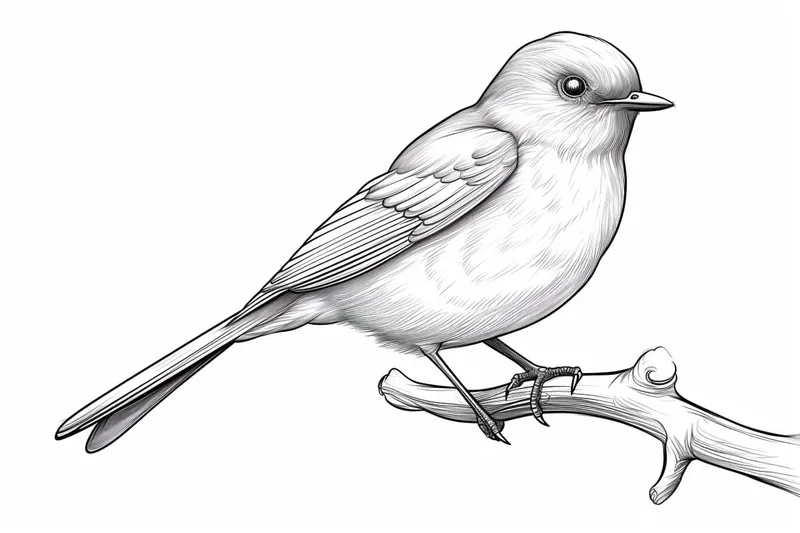
Learn how to draw a bluebird with this step-by-step tutorial. From sketching the basic shapes to adding realistic details, capture the beauty of this beloved bird in your artwork.
Materials You'll Need
- Pencil
- Paper
- Eraser
Welcome to this comprehensive step-by-step tutorial on how to draw a bluebird, a charming and vibrant bird known for its striking blue plumage and cheerful presence in gardens and woodlands. Bluebirds hold a special place in many cultures as symbols of happiness and hope, making them a wonderful subject for artists seeking to capture a piece of nature's beauty. Whether you are inspired by their graceful posture or the delicate details of their feathers, learning how to draw a bluebird offers a rewarding opportunity to develop your observational skills and artistic techniques.
This tutorial is designed to suit a wide range of skill levels, from beginners taking their first steps into wildlife drawing to more experienced artists looking to refine their technique. Drawing a bluebird involves understanding simple shapes and layering details such as feather texture and shading to create a realistic effect. We will cover essential drawing fundamentals like proportion, contour, and light source, as well as the use of pencil grades to add depth and contrast. By following along, you'll gain confidence in rendering both the delicate form and vibrant character of this beloved bird.
Embarking on the journey of how to draw a bluebird will not only enhance your artistic abilities but also deepen your appreciation for the natural world. With patience and practice, you'll be able to bring this lively subject to life on paper, creating artwork that can brighten any space or serve as a thoughtful handmade gift. So grab your pencils and paper, and let's begin this creative adventure together—your beautiful bluebird awaits!
Materials Required
Before we begin, let's gather the materials you will need:
- Drawing paper or sketchbook
- Pencil set (preferably HB, 2B, 4B, and 6B)
- Eraser
- Fine-tip black marker or pen (optional)
- Colored pencils (blue, gray, white, and black)
- Blending stump (optional)
- Reference image of a bluebird
Now that we have our materials ready, let's dive into the step-by-step process of drawing a bluebird.
Step 1: Basic Sketch
Start by lightly sketching the basic shapes of the bluebird. Begin with a circle for the head and a simple oval for the body. Position the head slightly tilted to one side to give the bird a natural and dynamic appearance.
Step 2: Outline the Body
Tip: As you work through each step of drawing the bluebird, take the time to frequently reference a high-quality image of an actual bluebird; this will help you accurately capture the nuances of its shape, colors, and feather textures. Observing the way light interacts with the bird's plumage can also guide your shading and highlighting choices, leading to a more lifelike representation.
Using a darker pencil (2B or 4B), outline the shape of the body, following the sketch guidelines. Pay attention to the proportions and curves of the bluebird. Remember, it's always better to start with light lines and gradually darken them as you progress.
Step 3: Draw the Wings and Tail
Add the wings by drawing curved lines extending from the body. Bluebirds have long wings, so make sure to capture their graceful shape. Similarly, draw the tail with a series of small feathers overlapping each other. Take your time to make the feathers look realistic.
Step 4: Define the Head and Beak
Now, focus on the bird's head. Sketch the eye as a small oval shape, leaving a highlight area for a realistic effect. Add a slightly curved beak beneath the eye, tapering it to a point. Pay close attention to the angle and position of the beak, as it varies among bird species.
Step 5: Add Feathers and Details
Start rendering the feathers of the bluebird by adding small curved lines along the body, wings, and tail. These lines represent the individual feathers and give texture to the drawing. Add more definition to the eye by darkening the outer edge and adding a small circle for the pupil.
Step 6: Shade the Bluebird's Body
Using a light blue colored pencil, begin shading the body of the bluebird. Apply a light layer of color, following the direction of the feathers. Gradually build up the layers of color, using a darker shade of blue for the shadows and a lighter shade for the highlights.
Step 7: Create Dimension with Shadows
To add depth and dimension to your drawing, focus on the shadows. Observe the reference image to identify areas of darker shading, such as under the wing, the tail, and the bird's body. Use a darker shade of blue or gray to carefully add these shadows, gradually blending them with the lighter areas.
Step 8: Refine the Details
Now that the basic structure and shading are complete, it's time to refine the details. Use a fine-tip black marker or pen to outline the bird's body, wings, and tail. This step will make your drawing stand out and look more polished. If you prefer a softer look, you can skip this step and use a darker shade of pencil instead.
Step 9: Final Touches
With the main body of the bluebird complete, it's time to add the finishing touches. Use a white colored pencil to add highlights to the feathers, giving them a realistic shine. You can also use a blending stump or a cotton swab to smooth out any harsh lines or blend the colors together for a more natural appearance.
And there you have it – your very own bluebird drawing! I hope you enjoyed this tutorial and found it helpful in creating a beautiful representation of this marvelous bird.
Conclusion
Drawing a bluebird may seem daunting at first, but by following these step-by-step instructions, you can confidently create a stunning artwork. Remember to practice regularly and have patience with yourself. With time and dedication, you will improve your skills and be able to capture the beauty of nature through your drawings.
Now, gather your materials, find a comfortable spot, and let your creativity soar as you bring a bluebird to life on paper. Happy drawing!
Fun Facts About Bluebird
- Bluebirds are known for their vibrant blue feathers, which are not due to pigment but the microscopic structure of their feathers that refracts light.
- There are three species of bluebirds native to North America: Eastern, Western, and Mountain Bluebird.
- Bluebirds are cavity nesters, often using old woodpecker holes or nest boxes to raise their young.
- They primarily feed on insects and berries, helping control pest populations in gardens and fields.
- Bluebirds are considered symbols of happiness and hope in many cultures around the world.
- Male bluebirds are typically more brightly colored than females, which helps in attracting mates.
- Bluebird populations declined in the 20th century due to habitat loss but have rebounded thanks to conservation efforts and nest box programs.
- Bluebirds have a melodious song that varies between species and is used to communicate and defend territory.
Suggestions for Scenes and Settings for Bluebird Drawings
- A bluebird perched delicately on a blossoming cherry tree branch in early spring.
- A bluebird in mid-flight against a backdrop of a golden sunrise over a forest clearing.
- A close-up of a bluebird nesting in a rustic wooden birdhouse surrounded by wildflowers.
- A bluebird drinking dew from a vibrant green leaf in a sun-dappled woodland.
- A playful bluebird hopping among colorful autumn leaves scattered on the forest floor.
- A bluebird singing atop a fence post with a peaceful rural landscape stretching behind.
- A mother bluebird feeding her chicks inside a cozy nest hidden in a tree hollow.
- A whimsical scene of a bluebird interacting with butterflies in a meadow full of blooming daisies.
- A bluebird resting on a branch with soft snowflakes falling gently around it in winter.
- A bluebird silhouetted against a starry night sky while perched on a bare tree branch.