How to Draw an Ice Cube
Learn how to draw an ice cube with this step-by-step tutorial. Discover essential techniques for capturing its translucent and reflective qualities.

Materials You'll Need
- Pencil
- Paper
- Eraser
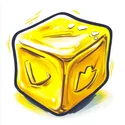 Ice cubes might seem like a simple subject at first glance, but they offer a fascinating exercise in capturing transparency, light, and subtle reflections—skills that are valuable for artists at any level. An ice cube is more than just a block of frozen water; it's a study in how light bends and bounces through clear, geometric forms. Whether you want to add realistic details to a still life composition, practice rendering glass and liquid effects, or simply challenge yourself with a new subject, learning how to draw an ice cube can greatly enhance your understanding of shading, texture, and three-dimensional form.
This tutorial will guide you step by step through the process of drawing an ice cube, from sketching its basic cube shape to adding the delicate highlights and shadows that make it look cold and convincing. Artists of all experience levels can benefit from this lesson: beginners will learn foundational skills in observation and value, while more advanced artists can use this as an opportunity to refine their techniques in realism and rendering transparency. We'll cover essential tips for capturing the crisp edges, subtle cracks, and glistening surfaces that give an ice cube its unique character. If you've ever wondered exactly how to draw an ice cube so that it truly looks frozen and lifelike, you're in the right place.
So, grab your drawing materials and get ready to explore the cool world of ice! Whether you're practicing for fun or building your artistic portfolio, remember that every attempt is a step forward in your creative journey. Let's dive in together and discover the subtle beauty hidden within something as ordinary as an ice cube—you might be surprised by what you can achieve!
Materials Required
Before we begin, let's gather the necessary materials:
- Drawing paper: Choose a smooth and sturdy paper that can withstand the use of different techniques and materials.
- Pencil: Use a graphite pencil with a medium or soft lead for sketching and shading.
- Eraser: Have a kneaded eraser or a soft eraser handy for making corrections and adjustments.
- Ruler: A straight ruler will help you draw precise lines and edges.
- Drawing compass: This tool is useful for creating perfect circles if you prefer not to freehand them.
- White ink or gel pen: Optional, but adding highlights to the ice cube can enhance its realism.
Now that you have everything you need, let's dive into the step-by-step process of drawing an ice cube.
Step 1: Sketch the Cube
Start by lightly sketching a square on your paper using a pencil and a ruler. Ensure that the square is equal on all sides to establish the shape of the cube accurately.
Step 2: Add Perspective
To create a three-dimensional illusion, add perspective lines to the cube. Draw two converging lines diagonally from each corner of the square towards the vanishing point, which should be positioned slightly above the center of the square.
Step 3: Outline the Cube
Using the sketch and perspective lines as a guide, outline the cube. Emphasize the edges by making them slightly darker and more defined than the rest of the drawing. Pay attention to the angle of the lines and keep them parallel to the corresponding edges of the square.
Step 4: Add the Ice Texture
Now comes the fun part – adding the icy texture to the cube. Start by lightly shading the entire surface of the cube, keeping it lighter towards the center and gradually darker towards the edges. This shading technique will create a sense of depth and volume.
Step 5: Create the Reflections
To make the ice cube appear more realistic, we need to add reflections. Observe your reference image or visualize the direction of light source. Lightly shade the areas where the light hits the ice cube, leaving some areas untouched to represent the reflective spots.
Step 6: Darken the Edges
Increase the contrast and enhance the cube's three-dimensional effect by darkening the edges. Use your pencil to carefully shade along the outside edges of the cube, making them darker than the rest. This will create the illusion of cast shadows and help define the shape.
Step 7: Add Final Details
Take a step back and assess your drawing. Look for any areas that need adjustment or refinement. Use an eraser to lighten or correct any mistakes. If desired, use a white ink or gel pen to add highlights along the edges and reflective spots to make the ice cube shine.
Tip: To achieve a realistic representation of an ice cube, focus on the interplay of light and shadow by using a range of pencils or graphite to create depth. Start with a light outline of the cube's shape, ensuring the angles are sharp and precise. Next, observe how light hits the ice; use a softer pencil to add highlights where the light reflects most intensely, typically on the edges and corners. For shadows, blend the graphite lightly with a blending stump to mimic the soft gradients seen in real ice. Don't forget to incorporate subtle cracks or imperfections by gently scratching into the surface with an eraser to add a touch of realism. Remember, patience and practice are key—take your time to layer your values and build up the texture!
Conclusion
Congratulations! You have successfully learned how to draw an ice cube. By following these step-by-step instructions and using your creativity, you can create beautiful and realistic ice cube drawings. Remember to practice regularly, experiment with different shading techniques, and keep observing real-life ice cubes to improve your skills. Have fun and enjoy the process of creating stunning artworks!
Fun Facts About Ice Cubes
- The first ice cube tray patent was filed in 1933, revolutionizing how people chilled their drinks at home.
- Clear ice cubes are made by freezing water slowly and directionally, which pushes air bubbles and impurities out.
- Ice cubes float in water because solid ice is less dense than liquid water.
- Some restaurants use nugget or "chewable" ice cubes, which are popular for their soft texture.
- Ice cubes can be used to quickly chill hot foods, a technique called "shocking" in culinary arts.
- In 2013, the world's largest ice cube weighed over 25,000 pounds and was created in Minnesota.
- Adding salt to ice cubes lowers their melting point, making them colder and useful for rapid chilling.
- Ice cubes can absorb odors from the freezer if not stored properly.
- Artists often use ice cubes to create unique watercolor effects by letting them melt on paper.
Suggestions for Scenes and Settings for an Ice Cube Drawings
- Classic Still Life: Arrange a single ice cube next to a lemon wedge and a glass, focusing on reflections and condensation.
- Melting on a Hot Surface: Draw an ice cube slowly melting on a sunlit countertop, capturing the changing shape and pooling water.
- In a Drink: Illustrate an ice cube floating in a transparent glass of soda, showing bubbles clinging to its surface.
- Ice Cube Close-Up: Zoom in on the fine cracks and bubbles trapped inside an ice cube, highlighting its intricate details.
- Frozen Nature: Place an ice cube atop a leaf or flower, with frost and tiny droplets forming where they meet.
- Stacked Ice Cubes: Create a composition of several ice cubes stacked in a pyramid, emphasizing their geometry and overlapping shadows. How to Draw a 3D Cube
- Ice Cube with a Twist: Imagine something unexpected frozen inside the ice cube—like a key, a coin, or a small flower.
- Reflections on Metal: Draw an ice cube resting on a shiny metal surface, such as a spoon or tray, focusing on the interplay of reflections and light.
- Outdoor Chill: Show an ice cube placed on a stone or wooden surface outdoors, with sunlight and natural textures surrounding it.
- Time-Lapse Sequence: Illustrate a sequence of ice cubes at different stages of melting, telling a visual story of transformation.