How to Draw an Akita
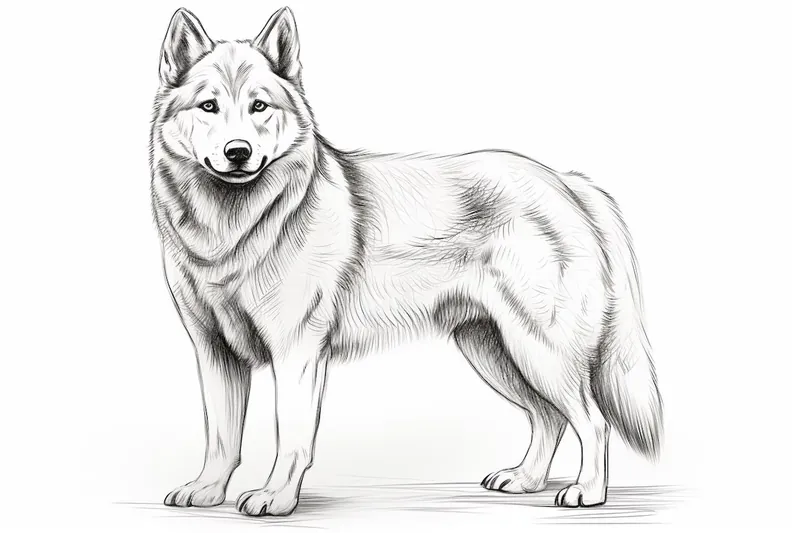
Learn to draw an Akita with this step-by-step tutorial. Capture the beauty of this majestic breed using simple techniques and basic shapes.
Materials You'll Need
- Pencil
- Paper
- Eraser
The Akita is a remarkable breed, originally hailing from Japan and celebrated for its dignified presence, intelligence, and unwavering loyalty. With their thick double coats, curled tails, and expressive eyes, Akitas possess a unique blend of strength and grace that has captivated dog lovers around the world. Whether you are a fan of this breed or simply admire their striking looks, learning how to draw an Akita gives you the chance to explore these distinctive features and bring their noble character to life on paper.
Many artists and dog enthusiasts are drawn to the Akita not only because of its impressive appearance but also because of the challenge it presents in capturing both its physical traits and gentle spirit. In this tutorial on how to draw an Akita, you'll practice essential drawing techniques such as sketching basic shapes, refining outlines, and adding texture to depict the dog's luxurious fur. This guide is suitable for beginners eager to build foundational skills, as well as more experienced artists looking to refine their approach to animal portraiture. By following our step-by-step instructions, you will gain confidence in observing and rendering the subtle details that make each Akita unique.
Drawing any animal, especially one as majestic as the Akita, is a rewarding way to grow your artistic abilities and express your admiration for the natural world. Even if you're just starting out, don't be intimidated—the process is broken down into simple, manageable steps, ensuring that you can achieve a beautiful result at your own pace. So, gather your materials, get comfortable, and let's embark on this creative journey together. With patience and practice, you'll be amazed at what you can accomplish!
Materials Required
Before we begin, let's gather the materials you will need:
- Drawing paper: Choose a smooth surface, preferably heavyweight paper that can withstand the application of multiple layers of pencil.
- Pencils: It is recommended to have a range of graphite pencils, including HB, 2B, 4B, 6B, and 8B. These varying degrees of darkness will help you achieve different shades and textures.
- Eraser: A kneaded eraser is ideal for this project as it can be shaped to erase small details and create texture.
- Blending tools: You can use blending stumps, cotton swabs, or even tissue paper to smooth transitions and soften the lines.
- Reference image: Find a high-quality photograph of an Akita that inspires you. This will serve as your guide throughout the drawing process.
Now that we have all the necessary materials let's dive into the steps for drawing an Akita!
Step 1: Sketch the Basic Shapes
Start by lightly sketching the basic shapes of the Akita's body. Begin with an oval shape for the head and a larger oval for the body. Connect these shapes with a simple curved line to create the neck.
Step 2: Add the Facial Features
Using the reference image as a guide, sketch Akita's facial features. Place two small circles for the eyes and a triangle shape for the nose. Add two curved lines to outline the mouth and indicate the position of the ears.
Step 3: Refine the Face
Build upon the basic shapes and add details to the Akita's face. Define the eyes by adding pupils, highlights, and eyelashes. Refine the shape of the nose and add nostrils for realism. Work on the mouth, carefully observing the reference image for accurate proportions and shading.
Step 4: Outline the Fur
Now it's time to focus on the Akita's fur. Start by outlining the general direction of the fur using light, wispy strokes. Pay attention to the fur's flow and the areas where it appears thicker or longer.
Step 5: Add Depth and Texture
To create depth and texture in the fur, gradually darken some areas using a slightly darker pencil. Use a light touch and build up layers of pencil strokes to mimic the texture of the Akita's fur. Gradually add shading to define the body's contours, emphasizing the shape and volume.
Step 6: Define the Ears and Tail
Continue working on the details by defining the ears and tail. Pay close attention to their shapes, as they are important elements that contribute to the Akita's unique appearance. Add shading to give them dimension and make them look more realistic.
Step 7: Finalize the Body
Refine the outlines and add more shading to the body, paying particular attention to the transitions between light and dark areas. Use your blending tool to smooth out any harsh lines and create a more realistic effect.
Step 8: Fine-Tune the Details
Take a step back and evaluate your drawing so far. Add any details that may have been overlooked, such as wrinkles or facial expressions. Use your eraser to clean up stray marks and make necessary adjustments.
Step 9: Final Touches
As you approach the final stages of your drawing, take the time to add some finishing touches. Pay attention to highlights and reflections in the eyes, which can bring your drawing to life. Adjust the shading and refine any areas that need extra attention.
Tip: When drawing an Akita, pay close attention to the proportions of its head and the placement of its signature curled tail—starting with light, loose construction lines can help you map out these distinctive features accurately. Use a soft pencil (like a 2B) to gently block in the fluffy ruff around the neck and the thick double coat, making short, layered strokes in the direction of hair growth to achieve realistic fur texture. Don't be afraid to build up fur gradually, varying your pressure to suggest depth and density, especially around the chest and tail. Remember to reserve some areas of brighter paper or add highlights with an eraser to capture the Akita's glossy, well-groomed look.
Conclusion
Congratulations! You have successfully learned how to draw an Akita. By following these step-by-step instructions and using your artistic intuition, you captured the grace and beauty of this remarkable breed. Remember, practice makes perfect, so continue exploring your artistic skills and enjoy the process of bringing your drawings to life.
Tags
animals, dog breeds, Drawing, Art, How to Draw, Akita, Akita Drawing, Animal Drawing
Fun Facts About Akitas
- The Akita originated in Japan and is considered a national treasure, with a rich history dating back centuries.
- Hachiko, the world's most famous Akita, is celebrated for his remarkable loyalty and has a statue in his honor in Tokyo.
- Akitas have a thick double coat that helps them withstand cold climates.
- This breed is known for its dignified and reserved temperament, making them excellent family guardians.
- Akitas are powerful and muscular, originally bred for hunting large game such as bears and boars.
- They are one of the few breeds that clean themselves like cats, often licking their bodies and paws.
- Akitas are generally quiet dogs and rarely bark, but they are very alert and protective.
- The Akita Inu and American Akita are two distinct varieties, each with unique characteristics.
Suggestions for Scenes and Settings for an Akita Drawings
- An Akita sitting regally on a Japanese temple step, cherry blossoms drifting around.
- A playful Akita bounding through fresh snow, capturing their thick coat and joyful expression.
- An Akita gazing loyally at its owner in a serene park at sunset.
- A close-up portrait focusing on the Akita's expressive eyes and textured fur.
- An Akita curled up peacefully by a traditional paper lantern indoors.
- An Akita standing alert in a misty forest, highlighting its protective stance.
- A group of Akitas interacting playfully in an autumn leaf-covered yard.
- An Akita and a child sharing a quiet moment next to a koi pond.
- An Akita in traditional Japanese armor, inspired by historic samurai dogs.
- An Akita silhouetted against a full moon, tail curled, creating a majestic nighttime scene.
Fun Facts About Akitas
- The Akita is a large and powerful breed originally from Japan, known for its loyalty and courage.
- Hachiko, an Akita, became famous worldwide for his unwavering loyalty, waiting for his owner every day for nearly 10 years after his death.
- Akitas have a dense double coat that protects them from harsh weather conditions.
- This breed is known for its reserved and dignified temperament, making them excellent family protectors.
- Originally, Akitas were bred to hunt large game like bears and boars in the mountainous regions of Japan.
- Akitas are one of the few dog breeds that groom themselves similarly to cats by licking their fur and paws.
- They are generally quiet dogs, rarely barking, but are very alert and protective of their family and territory.
- The Akita Inu (Japanese Akita) and the American Akita are two distinct varieties with different physical and temperamental traits.
Suggestions for Scenes and Settings for an Akita Drawings
- An Akita sitting regally on a Japanese temple step, cherry blossoms drifting around.
- A playful Akita bounding through fresh snow, capturing their thick coat and joyful expression.
- [An Akita gazing loyally at its owner in a serene park at sunset](https://yonderoo.com/how-to-draw-sunset).
- A close-up portrait focusing on the Akita's expressive eyes and textured fur.
- An Akita curled up peacefully by a traditional paper lantern indoors.
- [An Akita standing alert in a misty forest](https://yonderoo.com/how-to-draw-a-forest), highlighting its protective stance.
- A group of Akitas interacting playfully in an autumn leaf-covered yard.
- An Akita and a child sharing a quiet moment next to a koi pond.
- An Akita in traditional Japanese armor, inspired by historic samurai dogs.
- An Akita silhouetted against a full moon, tail curled, creating a majestic nighttime scene.
Fun Facts About Akitas
- The Akita is a large and powerful breed originally from Japan, known for its loyalty and courage.
- Hachiko, an Akita, became famous worldwide for his unwavering loyalty, waiting for his owner every day for nearly 10 years after his death.
- Akitas have a dense double coat that protects them from harsh weather conditions.
- This breed is known for its reserved and dignified temperament, making them excellent family protectors.
- Originally, Akitas were bred to hunt large game like bears and boars in the mountainous regions of Japan.
- Akitas are one of the few dog breeds that groom themselves similarly to cats by licking their fur and paws.
- They are generally quiet dogs, rarely barking, but are very alert and protective of their family and territory.
- The Akita Inu (Japanese Akita) and the American Akita are two distinct varieties with different physical and temperamental traits.
Suggestions for Scenes and Settings for an Akita Drawings
- An Akita sitting regally on a Japanese temple step, cherry blossoms drifting around.
- A playful Akita bounding through fresh snow, capturing their thick coat and joyful expression.
- An Akita gazing loyally at its owner in a serene park at sunset.
- A close-up portrait focusing on the Akita's expressive eyes and textured fur.
- An Akita curled up peacefully by a traditional paper lantern indoors.
- An Akita standing alert in a misty forest, highlighting its protective stance.
- A group of Akitas interacting playfully in an autumn leaf-covered yard.
- An Akita and a child sharing a quiet moment next to a koi pond.
- An Akita in traditional Japanese armor, inspired by historic samurai dogs.
- An Akita silhouetted against a full moon, tail curled, creating a majestic nighttime scene.