How to Draw a WW2 Plane
Learn how to draw a WW2 plane with step-by-step instructions from an expert artist and instructor. This tutorial will guide you through the process using clear and concise instructions.
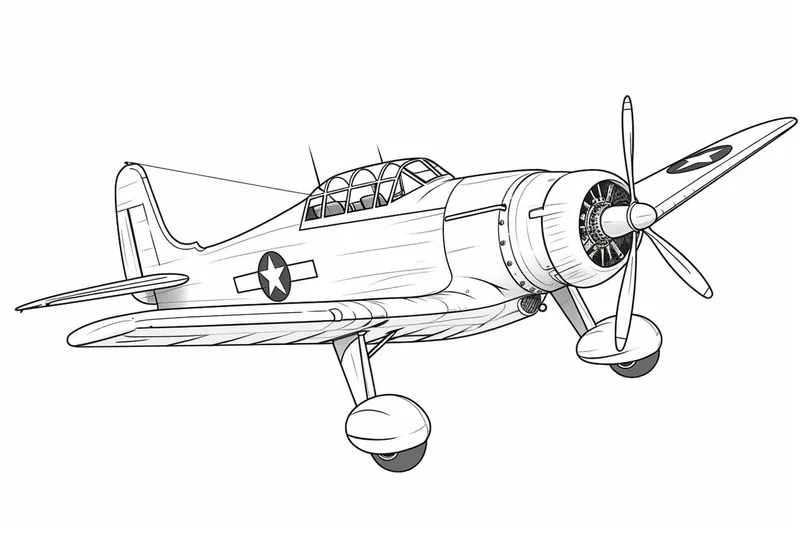
Materials You'll Need
- Pencil
- Paper
- Eraser
World War II planes are not only remarkable feats of engineering, but also iconic symbols of a pivotal era in history. Each aircraft, from agile fighter planes to massive bombers, tells a story through its distinctive shape, intricate details, and purposeful design. The powerful lines, streamlined bodies, and unique markings of WW2 planes make them a favorite subject for both aviation enthusiasts and artists who appreciate historical and mechanical themes. Learning how to draw a WW2 plane gives you the opportunity to explore these fascinating machines while sharpening your artistic skills and gaining a deeper appreciation for their role in history.
Many people choose to draw WW2 planes because they want to capture the drama and excitement of aerial combat, pay tribute to the pilots who flew these legendary aircraft, or simply challenge themselves with a complex and rewarding subject. Whether you're a beginner looking to improve your observation and proportion skills, or a more experienced artist eager to practice shading and rendering metallic surfaces, this tutorial on how to draw a WW2 plane is designed to guide you every step of the way. We'll break down the process into manageable stages, focusing on basic shapes, structure, and then adding details that bring your drawing to life.
Tip: As you work on your drawing, consider maintaining a consistent light source in your reference images; this will help you accurately shade and highlight the aircraft, enhancing its three-dimensional appearance. Additionally, observe how different materials reflect light differently—metallic surfaces may require sharper highlights, while fabric-covered areas may have softer shadows, allowing for a more realistic depiction of your chosen WW2 plane.
No matter your current skill level, approaching the drawing of a WW2 plane can help you develop a keen eye for detail and an appreciation for historical design. Don't worry if your first attempt isn't perfect—the key is to have fun, experiment with techniques, and enjoy the process of bringing a piece of history to your sketchbook. So gather your drawing materials, let your imagination soar, and let's embark together on this exciting artistic journey!
Materials Required
Before diving into the drawing process, make sure you have the following materials ready:
- A sketchpad or drawing paper
- Pencils (preferably a set of different hardness)
- Eraser
- Ruler
- Reference images of WW2 planes (either printed or on a digital device)
Having these materials at hand will allow you to follow along and create an accurate and detailed representation of a WW2 plane.
Step 1: Research and Choose a Plane
Start by researching different WW2 planes to find one that catches your interest. Look for reference images that showcase the various angles and details of the plane. Consider its shape, wing structure, propellers, and any unique features that make it stand out. Once you have chosen a plane, keep the reference images nearby for easy access throughout the drawing process.
Step 2: Basic Outline
Begin by lightly sketching a basic outline of the plane. Use simple shapes to break down the overall structure into manageable parts. Start with a rectangular shape for the body and add circles or ellipses for the wings, propellers, and other prominent features. Focus on capturing the proportions and angles accurately.
Step 3: Refine the Outline
Using the basic outline as a guide, refine the shape of the plane by adding more details and defining its contours. Pay close attention to the curves and edges, ensuring they match the reference images. Use a harder pencil to darken the lines you want to keep, and erase any unnecessary guidelines.
Step 4: Add Wings and Tail
Now, it's time to add the wings and tail to your WW2 plane. Refer to your reference images to accurately position and shape these elements. Draw the wings as two elongated shapes, tapering towards the tips. The tail should be located at the back of the plane and can vary in size and shape depending on the specific aircraft. Once you're satisfied with the positioning, refine the shapes and contours.
Step 5: Detail the Body
Focus on detailing the body of the plane by adding more accurate lines and shapes. Pay attention to any unique features, such as windows, engines, or exhaust pipes. Use your reference images to guide you, ensuring that your drawing captures the distinctive characteristics of the chosen WW2 plane.
Step 6: Draw the Propellers
The propellers are essential elements of any WW2 plane. Draw them by creating a series of curved lines radiating from a central point. Make sure the propellers are accurately positioned and maintain a consistent size. Take your time to add the necessary details to make them appear realistic.
Step 7: Add Finishing Touches
At this stage, you can refine and add any additional details that will enhance the overall appearance of the plane. Pay attention to small features such as rivets, panel lines, or insignias, as they can significantly contribute to the authenticity of the drawing. Use a combination of soft and hard pencil strokes to add depth and texture.
Step 8: Shading and Highlights
To bring your WW2 plane to life, add shading and highlights. Observe how light interacts with the plane's surfaces in your reference images and replicate the shadows accordingly. Use a range of pencil hardness to achieve different levels of darkness. Remember to blend and smudge the shading for a smooth and realistic effect. Add highlights to certain areas to create contrast and dimension.
Did You Know?: During World War II, aircraft designers often painted bold, distinctive markings on planes not just for identification, but also to boost morale and intimidate opponents. For example, the famous shark mouth nose art on the Curtiss P-40 Warhawk was inspired by British pilots and became an iconic symbol of Allied airpower. These custom markings and camouflage patterns varied widely between squadrons and countries, giving each plane its own unique personality. When drawing a WW2 plane, paying attention to these details can add authenticity and help tell the fascinating story behind the aircraft you're illustrating.
Conclusion
Congratulations! You have successfully learned how to draw a WW2 plane from start to finish. By following these step-by-step instructions and utilizing your creativity, you can create realistic and captivating representations of these historical aircraft. Remember to be patient and practice regularly to improve your skills. Now, pick another plane, and continue exploring the exciting world of aviation through your art!
Fun Facts About WW2 Planes
- The Supermarine Spitfire, one of the most famous WW2 planes, played a crucial role in the Battle of Britain and is celebrated for its agility and speed.
- The Boeing B-17 Flying Fortress was renowned for its durability, with some bombers returning home despite heavy damage.
- The German Messerschmitt Me 262 was the world's first operational jet-powered fighter aircraft, revolutionizing aerial combat.
- The P-51 Mustang, an American long-range fighter, was instrumental in escorting bombers deep into enemy territory.
- Japan's Mitsubishi A6M Zero was famed for its maneuverability and range, dominating early Pacific battles.
- The Avro Lancaster, a British heavy bomber, was key to the famous Dambusters raid.
- The Soviet Ilyushin Il-2 Sturmovik was nicknamed the "Flying Tank" for its armored protection and ground-attack power.
Suggestions for Scenes and Settings for WW2 Plane Drawings
- A dramatic dogfight in the sky between a Spitfire and a Messerschmitt, with clouds and tracer fire in the background.
- A bomber squadron flying in tight formation over a city at dusk, with searchlights and explosions below.
- A lone fighter plane returning to base at sunrise, with a misty airfield and scattered ground crew waiting.
- A damaged plane making an emergency landing in an open field, surrounded by curious villagers and medics rushing in.
- A close-up study of a WW2 plane's cockpit, filled with levers, dials, and the pilot's gloved hands gripping the controls.
- A stealthy night mission, with a black-painted plane flying silently above moonlit clouds and a faint city below.
- A dramatic scene of a plane taking off from an aircraft carrier, with deck crew signaling and ocean waves crashing nearby.
- An interior hangar scene, with mechanics working on a row of planes and tools scattered across the floor.
- A commemorative flyover, with vintage WW2 planes soaring above a cheering crowd during a modern-day airshow.
- A plane camouflaged and hidden among dense trees, awaiting its next secret mission in a makeshift forest airstrip.