How to Draw a Waving Flag
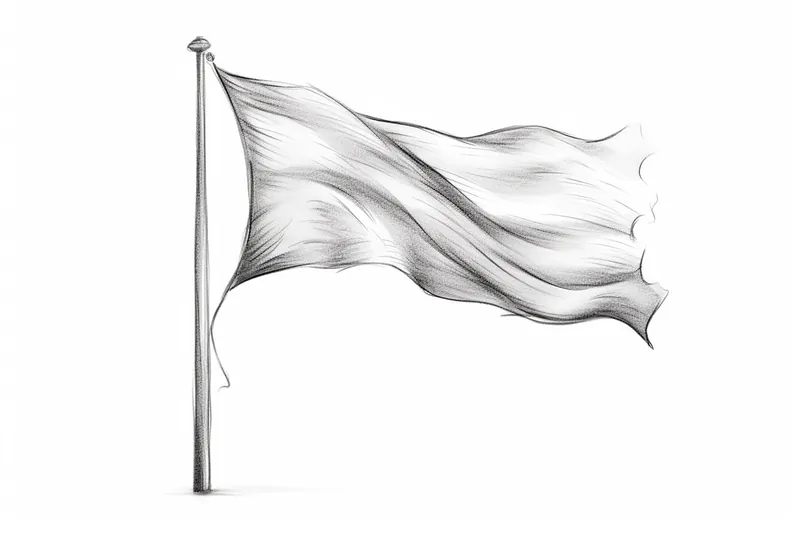
Learn how to draw a waving flag with this step-by-step guide. From creating the flagpole to adding the design and details, this tutorial will help you create a realistic and dynamic representation.
Materials You'll Need
- Pencil
- Paper
- Eraser
Flags are powerful symbols that represent nations, organizations, and causes, often evoking a sense of pride and unity. Capturing the movement and energy of a flag waving in the wind can add life and realism to your artwork, making it a valuable skill for artists of all levels. Learning how to draw a waving flag not only allows you to showcase this dynamic subject but also helps you practice important techniques such as drawing folds, curves, and the effects of wind on fabric. Whether you want to incorporate a flag into a larger scene, design your own banner, or simply challenge yourself with a new artistic subject, mastering this skill can enhance your creative abilities.
This tutorial is designed for beginners and intermediate artists alike, offering step-by-step instructions that break down the process into manageable stages. You'll learn how to create a sense of depth and motion by carefully sketching the flag's contours, adding realistic folds, and shading to convey the play of light and shadow. Along the way, you'll also pick up tips for personalizing your flag with colors and patterns. Don't worry if you've never drawn fabric before—each step is explained clearly to help you build confidence and improve your technique. By the end of this guide on how to draw a waving flag, you'll have a striking, dynamic illustration to be proud of. Grab your materials, unleash your creativity, and let's bring your flag to life together!
Materials Required:
- Drawing paper
- Pencil
- Eraser
- Ruler
- Compass
- Colored pencils or markers
Step 1: Start with the Flagpole
To begin, position your drawing paper horizontally. Use a ruler and a pencil to draw a vertical line down the center of the paper to represent the flagpole. Make sure the line is straight and extends from top to bottom of the page.
Step 2: Add the Flag's Outline
Using the ruler and the pencil, draw a rectangle shape on the top portion of the flagpole. This rectangle will serve as the outline for the flag. The width and height can be adjusted according to your desired proportions.
Step 3: Create the Waving Effect
To create the illusion of a waving flag, it's important to add a sense of movement to the flag's outline. Start by drawing a series of curves along the top and bottom edges of the rectangle. These curves should be wavy and irregular to mimic the natural flow of a flag in the wind.
Step 4: Draw the Flagpole Details
Tip: To enhance the realism of your waving flag drawing, take the time to observe actual flags in motion, noting how the fabric behaves in the wind. Pay special attention to how the folds form and the shadows shift, as this will inform your shading and detailing. Experiment with different angles and perspectives, as capturing the flag from various viewpoints can add dynamic interest to your artwork.
Next, add some details to the flagpole to make it more realistic. Draw small horizontal lines at regular intervals along the length of the pole to represent the metal rings that attach the flag to the pole. You can also add a finial or a decorative ornament at the top of the flagpole if you'd like.
Step 5: Add Folds and Shadows
To give your flag dimension and depth, it's important to add some folds and shadows. Use your pencil to lightly sketch some diagonal lines within the flag, following the direction of the waving effect. These lines will represent the folds in the fabric. Add some shading along the folds to create shadows and enhance the three-dimensional appearance of the flag.
Step 6: Outline the Flag's Design
Now that you have the basic shape of the flag, it's time to add the design or pattern. Whether it's a national flag, a sports team emblem, or any other design, use your pencil to carefully outline the shapes and elements within the flag. Take your time and pay attention to the details.
Step 7: Color the Flag
Once you've outlined the flag's design, it's time to bring it to life with color. Use colored pencils or markers to carefully fill in the shapes and elements within the flag. Pay attention to color accuracy, especially if you're drawing a national flag or a flag with specific colors.
Step 8: Add Highlights and Shadows
To make your waving flag appear more realistic, it's essential to add highlights and shadows. Use a lighter shade of the flag's color to add highlights along the top edges of the folds and ridges. Similarly, use a darker shade to add shadows along the bottom edges of the folds and ridges. Blend the colors smoothly to create a natural and seamless effect.
Step 9: Final Touches
Take a step back and assess your drawing. Make any necessary adjustments and refine the details. Erase any unwanted pencil lines or smudges to clean up your drawing. This is also a good time to add any additional embellishments or details to enhance the overall composition.
Conclusion
Drawing a waving flag may seem challenging at first, but with the right technique and a bit of practice, you can achieve impressive results. By following these step-by-step instructions, you'll be able to capture the dynamic motion and beauty of a waving flag. So grab your materials and start creating your own masterpiece!
Fun Facts About Waving Flag
- The study of flags and their movements, including waving, is called vexillology.
- Flags appear to wave due to the interaction of wind and fabric, creating complex patterns of motion.
- Artists often use folds and shading techniques to realistically depict a flag waving in the wind.
- The first known depiction of a waving flag in art dates back to ancient Egyptian wall paintings.
- Waving a flag is a universal gesture for celebration, protest, or signaling across many cultures.
- Some national flags, like the United States flag, have specific protocols for how they should be displayed and waved.
- High-speed cameras have been used to study the physics of flag flutter and the formation of waves in fabric.
- Waving flags are a common feature in Olympic ceremonies and international sporting events.
- Digital artists use cloth simulation software to create realistic waving flag animations.
Suggestions for Scenes and Settings for Waving Flag Drawings
- A flag waving proudly atop a mountain peak at sunrise, with misty clouds surrounding the summit.
- A child holding a small flag while running through a field of wildflowers, the flag trailing in the wind.
- An astronaut planting a flag on the surface of the moon, with the Earth visible in the background.
- A parade scene with multiple colorful flags waving among a festive crowd and confetti in the air.
- A pirate ship at sea, its tattered flag waving dramatically against a stormy sky.
- A medieval castle with banners and flags waving from its towers during a royal celebration.
- A sports stadium filled with fans waving team flags in unison during a championship game.
- A peaceful protest or rally, with people holding flags that represent unity and a shared cause.
- A flag waving in front of a school building on the first day of the academic year.
- A flag draped over a soldier's memorial, gently rippling in a quiet breeze.