How to Draw a Swirl
Learn how to draw a swirl with this step-by-step tutorial. Add a touch of elegance and creativity to your artwork with beautiful swirl designs.
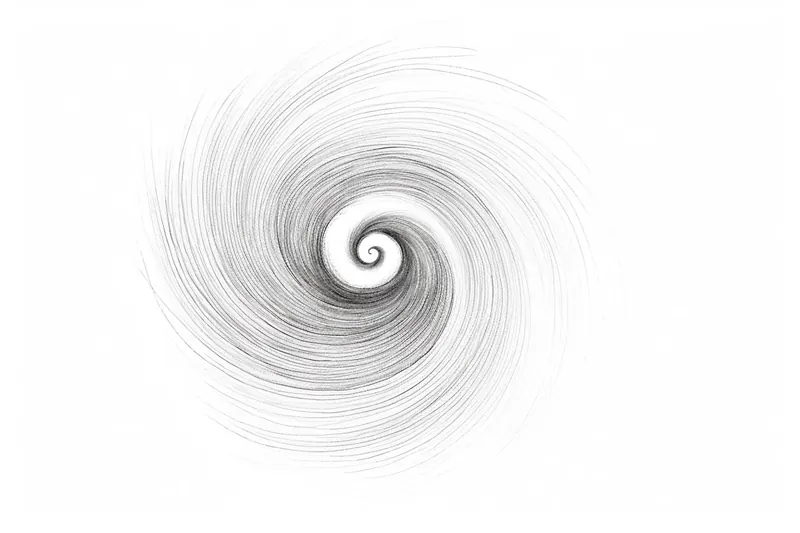
Materials You'll Need
- Pencil
- Paper
- Eraser
Swirls are enchanting shapes found everywhere in nature and art, from the elegant curve of a snail's shell to the dramatic spirals of galaxies. They're often used to symbolize movement, energy, and growth, making them a popular choice for adding dynamic flair to your drawings. Whether you see them in decorative borders, tattoo designs, or patterns in graphic illustrations, swirls have an almost magical ability to captivate the eye and enhance the visual interest of any composition. Learning how to draw a swirl opens up endless possibilities for creative expression, allowing you to embellish your artwork with graceful, flowing lines.
Many artists—beginners and experienced alike—are drawn to swirls because they can be both simple and intricate, making them perfect for practicing control and flow with your drawing tools. Drawing a swirl teaches you how to create smooth, continuous curves and helps you develop a sense of rhythm in your lines. This skill is especially useful for those interested in pattern design, calligraphy, or simply adding unique touches to sketches and doodles. In this step-by-step guide, we'll explore how to draw a swirl using easy-to-follow techniques that are suitable for all skill levels. Whether you're new to drawing or looking to refine your decorative skills, you'll find this tutorial both accessible and inspiring.
Don't worry if your first few swirls aren't perfect—like any artistic skill, drawing swirls improves with practice and patience. With each attempt, you'll gain confidence in your hand movement and develop your own style. Remember, the most important part is to enjoy the process and let your creativity flow. So gather your drawing supplies, relax, and get ready to master how to draw a swirl—one graceful curve at a time!
Materials Required:
Before we dive into the tutorial, make sure you have the following materials ready:
- Drawing paper: Choose a smooth or slightly textured paper suitable for sketching.
- Pencils: A set of graphite pencils ranging from hard (H) to soft (B) for various shading effects.
- Eraser: A soft eraser, preferably a kneaded eraser, to clean up any mistakes.
- Ruler: A straight ruler will help you create clean and precise lines.
- Compass: A compass will come in handy for drawing perfectly round circles if needed.
- Colored pencils (optional): If you want to add color to your swirl, have a set of colored pencils ready.
Now that you have all the necessary materials, let's begin the drawing process.
Step 1: Planning your Swirl
Start by visualizing the size and shape of your swirl. Consider whether you want it to be small and compact or large and flowing. Envision the general direction and flow of the lines within the swirl. Having a clear idea of what you want to achieve will make the drawing process smoother.
Step 2: Creating a Base Line
Using a ruler, draw a straight line as the base for your swirl. This line will serve as a guide to ensure that your swirl remains consistent and balanced.
Step 3: Drawing the Outer Shape
Decide where you want the center of your swirl to be and use the compass to draw a small circle. This circle will act as the starting point for your outer shape. From this circle, draw curved lines in an outward direction, gradually increasing the size of the curves. Keep the curves smooth and pleasing to the eye.
Step 4: Adding Details
Now it's time to add more intricate details to your swirl. Start from the outermost curve and draw smaller, shorter curves that intertwine with the previous lines. These smaller curves can be irregular in size and direction, creating an organic and dynamic look.
Step 5: Filling in the Swirl
Tip: As you practice drawing swirls, consider using varied pressure on your drawing tools to create dynamic line thicknesses, which can enhance the visual interest of your design. This technique not only adds depth to your swirls but also helps convey motion and energy, making your artwork more captivating. Experiment with different styles of swirls—some tighter and more intricate while others are loose and flowing—to discover what best fits your artistic expression.
Once you are satisfied with the shape and details of your swirl, you can choose to leave it as an outline or fill it in with shading. If you prefer shading, use your pencils to add light and shadow to different areas of the swirl. This will create depth and dimension, making your swirl appear more realistic.
Step 6: Adding Color (optional)
If you want to make your swirl more vibrant, grab your colored pencils and add some color to the design. Choose colors that complement each other and apply them to different sections of the swirl. Blend the colors gently to create a smooth transition between hues.
Challenge: Try filling an entire page with swirls, but don't just repeat the same shape—experiment by making some swirls overlap, intertwine, or even morph into different elements like leaves, waves, or flames. Challenge yourself to create a swirling pattern that tells a story or suggests movement, such as wind blowing through a field or water spiraling down a drain. Consider using varying line thickness and shading to add depth and dimension to your scene. This exercise will help you push the boundaries of your creativity while strengthening your control and imagination—let your swirls dance across the page and surprise yourself with the results!
Conclusion
Drawing a swirl may seem intricate at first, but with practice, it becomes a rewarding and enjoyable process. By following the step-by-step instructions outlined in this article, you can create beautiful swirl designs that add flair to your artwork. Don't be afraid to experiment with different shapes, sizes, and colors to make your swirls unique. So grab your drawing supplies, unleash your creativity, and let your imagination flow as you create stunning swirl designs!
Fun Facts About Swirl
- The mathematical form of a swirl is often described by the spiral, a curve that appears in many natural and artistic contexts.
- Swirls are commonly found in nature, such as in the cloud patterns of Jupiter and the structure of galaxies.
- The famous Golden Spiral, a type of swirl, is based on the Fibonacci sequence and is often seen in shells and flowers.
- Swirls have been used in art and architecture for centuries, including in ancient Greek designs and decorative motifs.
- In psychology, swirling patterns can create optical illusions and are studied in the field of visual perception.
- Swirls are a key element in Art Nouveau, a decorative art style known for its flowing, organic lines.
- Many weather phenomena, like hurricanes and tornadoes, display swirling motion due to the Coriolis effect.
- Swirls are used in modern technology, such as in the design of turbine blades to optimize airflow and efficiency.
Suggestions for Scenes and Settings for Swirl Drawings
- A swirling gust of wind carrying autumn leaves across a park.
- The spiral pattern of a galaxy viewed from afar, with stars and cosmic clouds.
- An underwater scene featuring swirling currents around a school of fish or seashells.
- Swirls forming in a steaming cup of coffee or tea as you stir in milk or sugar.
- The intricate spiral of a snail shell nestled among moss and small flowers.
- Decorative swirls intertwining with floral patterns in a border or frame design.
- Colorful swirls of smoke or incense rising and curling in the air.
- Swirling patterns in a stormy sky, with clouds twisting dramatically above a landscape.
- The flowing, swirling lines of a dancer's dress twirling in motion.
- Swirls carved into ancient stone or wood as part of a mysterious artifact or door.