How to Draw a Porcupine
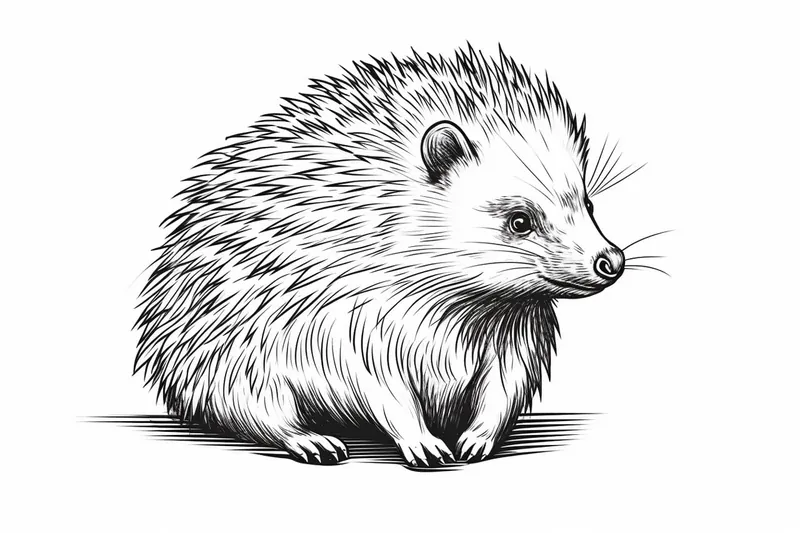
Learn how to draw a porcupine step by step in this beginner's guide. Follow along and discover how to create an adorable porcupine illustration using simple techniques.
Materials You'll Need
- Pencil
- Paper
- Eraser
Welcome to this comprehensive beginner's guide on how to draw a porcupine! Porcupines are fascinating creatures known for their unique coat of sharp quills, which serve as a natural defense mechanism. Their distinct appearance, combining both softness in their furry faces and the spiky texture of their quills, makes them an interesting and enjoyable subject to capture on paper. Whether you're an animal lover, a budding illustrator, or simply someone looking to enhance your drawing skills, learning how to draw a porcupine can be a delightful artistic challenge that sharpens your observation and technique.
Drawing a porcupine involves understanding both its basic shapes and the intricate details that make it recognizable. This tutorial is designed for beginners but will also engage those with some drawing experience by focusing on key techniques such as sketching proportions, layering textures, and creating depth with shading. Through step-by-step guidance, you'll learn how to break down the complex form of the porcupine into manageable parts, from the rounded body and expressive face to the iconic quills that fan out across its back. By practicing these techniques, you'll build your confidence in drawing animals and improve your ability to render textures realistically.
As you follow along, remember that every artist progresses at their own pace, so be patient and enjoy the process of bringing your porcupine to life. By the end of this tutorial on how to draw a porcupine, you'll have created a charming and detailed illustration that showcases your growing skills. So grab your pencils and paper, and let's embark on this creative journey together – your adorable porcupine awaits!
Materials Required
To get started, you will need the following materials:
- Pencils (preferably a range of graphite pencils with different hardness)
- Eraser
- Paper (preferably a sketchbook or drawing pad)
- Ruler
Now let's jump right into the steps!
Step 1: Outline the Body
Start by drawing a large oval shape for the porcupine's body. This will serve as the foundation for your drawing.
Step 2: Add the Head and Facial Features
Using the top part of the oval, draw a smaller oval for the porcupine's head. Then, add two small circles for the eyes and a tiny triangular shape for the nose.
Step 3: Sketch the Ears
On both sides of the head, draw two curved shapes to represent the porcupine's ears. They should be positioned slightly above the eyes.
Step 4: Draw the Quills
This step is the most distinctive feature of a porcupine. Starting from the top of the head, carefully draw a series of short, curved lines extending outward to represent the quills. The quills should be densely packed and gradually increase in size toward the back.
Step 5: Add Facial Details
Next, draw a small circle inside each eye for the pupils. Then, add small curved lines above the eyes to represent the eyebrows.
Step 6: Sketch the Legs
Draw four straight lines extending downward from the bottom of the body to create the porcupine's legs. Make sure to add small ovals at the bottom to form the feet.
Step 7: Outline the Tail
From the back of the body, draw a long, curved line that tapers to a point to create the porcupine's tail.
Step 8: Refine the Outline
Go over your initial sketch with darker lines to refine the shape of the porcupine. Pay close attention to the curves and details to make your drawing more accurate.
Step 9: Shade the Porcupine
To add depth and dimension to your drawing, start shading the porcupine's body lightly using a pencil. Use hatching or cross-hatching techniques to create texture and shade the quills darker than the rest of the body.
Step 10: Finalize the Details
Take your time to add any additional details you want, such as wrinkles on the face or texture on the feet. Make any necessary adjustments to ensure your porcupine drawing looks just the way you want it.
And there you have it! By following these simple steps, you've learned how to draw a porcupine from scratch. Remember, practice makes perfect, so don't be discouraged if your first attempt doesn't turn out exactly as you expected.
Conclusion
In this tutorial, we've explored the step-by-step process of drawing a porcupine. Starting with the basic outline of the body, we gradually added details such as the head, quills, legs, and tail. Through the use of shading and refining the details, we were able to bring our porcupine drawing to life.
So grab your pencils and start practicing! With time and patience, you'll be amazed at what you can create. Drawing animals can be a wonderful way to express your creativity and improve your artistic skills.
Remember, drawing takes practice, so don't worry if your first porcupine drawing isn't perfect. Keep trying, have fun, and enjoy the process of bringing these fascinating creatures to life on paper.
Fun Facts About Porcupine
- Porcupines have about 30,000 sharp quills that they use for defense against predators.
- Unlike popular belief, porcupines cannot shoot their quills; the quills detach easily when touched.
- Porcupines are excellent climbers and often live in trees to avoid ground predators.
- The quills of a porcupine are modified hairs coated with thick plates of keratin.
- Porcupines have a slow metabolism and can survive on a diet mainly consisting of bark, leaves, and herbs.
- They have strong teeth that continuously grow, allowing them to gnaw on tough plant material and wood.
- Porcupines communicate through sounds like grunts, teeth chattering, and even moans.
- Some porcupine species can live up to 7 years in the wild and even longer in captivity.
Suggestions for Scenes and Settings for Porcupine Drawings
- A porcupine nestled among autumn leaves in a forest clearing.
- A curious porcupine exploring a moonlit garden with glowing flowers.
- A mother porcupine with her babies cuddled under a tree stump.
- A porcupine crossing a small wooden bridge over a babbling brook.
- A playful porcupine interacting with woodland friends like squirrels and rabbits.
- A porcupine perched on a rocky hillside overlooking a sunset valley.
- A whimsical porcupine wearing a tiny hat, sitting on a toadstool in a magical forest.
- A close-up of a porcupine's textured quills with dew drops sparkling in morning light.
- A porcupine foraging for food among wild berries and mushrooms.
- A stylized porcupine silhouette against a starry night sky with northern lights.
Fun Facts About Porcupine
- Porcupines have about 30,000 sharp quills that they use for defense against predators.
- Unlike popular belief, porcupines cannot shoot their quills; the quills detach easily when touched.
- Porcupines are excellent climbers and often live in trees to avoid ground predators.
- The quills of a porcupine are modified hairs coated with thick plates of keratin.
- Porcupines have a slow metabolism and can survive on a diet mainly consisting of bark, leaves, and herbs.
- They have strong teeth that continuously grow, allowing them to gnaw on tough plant material and wood.
- Porcupines communicate through sounds like grunts, teeth chattering, and even moans.
- Some porcupine species can live up to 7 years in the wild and even longer in captivity.
Suggestions for Scenes and Settings for Porcupine Drawings
- A porcupine nestled among autumn leaves in a forest clearing.
- A curious porcupine exploring a moonlit garden with glowing flowers.
- A mother porcupine with her babies cuddled under a tree stump.
- A porcupine crossing a small wooden bridge over a babbling brook.
- A playful porcupine interacting with woodland friends like squirrels and rabbits.
- A porcupine perched on a rocky hillside overlooking a sunset valley.
- A whimsical porcupine wearing a tiny hat, sitting on a toadstool in a magical forest.
- A close-up of a porcupine's textured quills with dew drops sparkling in morning light.
- A porcupine foraging for food among wild berries and mushrooms.
- A stylized porcupine silhouette against a starry night sky with northern lights.