How to Draw a Paw Print
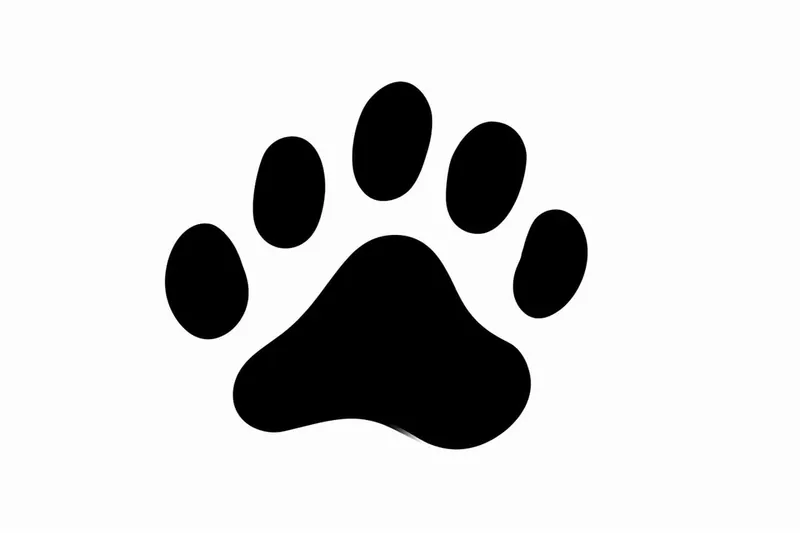
Learn how to draw a paw print with this step-by-step tutorial. Follow these clear instructions to create your own paw print drawing.
Materials You'll Need
- Pencil
- Paper
- Eraser
Paw prints are more than just cute marks left behind by our furry friends—they're a universal symbol of animal life, adventure, and companionship. Whether you associate them with playful puppies, wild animals, or simply love their whimsical shapes, paw prints are frequently used in artwork, crafts, and even graphic design. Learning how to draw a paw print can open doors to a variety of creative projects, from decorating greeting cards to personalizing notebooks or adding a special touch to your pet's accessories. Their simple yet recognizable form makes them a favorite subject for artists of all skill levels.
In this detailed tutorial, you'll discover how to draw a paw print step by step, making it easy to capture the charm and character of this beloved symbol. This lesson is perfect for beginners, as it focuses on basic shapes and proportional placement, but even experienced artists can benefit from refining their technique and adding their own flair. You'll learn how to break the paw print down into manageable parts, use light sketching to plan the shape, and add finishing touches for realism or stylization. All you need are simple drawing tools and a willingness to experiment.
Don't worry if you've never tried drawing a paw print before—this tutorial is designed to boost your confidence and spark your creativity. With a bit of practice and patience, you'll soon have a paw print that you can proudly use in all sorts of projects. Let's get started and see just how fun and rewarding drawing a paw print can be!
Materials Required
- A pencil
- Drawing paper
- An eraser
- Black ink pen (optional)
- Colored pencils or markers (optional)
Now that you have your materials ready, let's dive into the step-by-step instructions for drawing a paw print.
Tip: To enhance your paw print drawing, consider varying the pressure of your pencil while sketching to create different line weights, which can add depth and interest to your artwork. Additionally, experimenting with textures—such as using a stippling technique for shading or incorporating patterns within the paw pads—can make your drawing more dynamic and unique.
Step 1: Draw a Circle
Start by lightly drawing a circle in the center of your paper. This circle will serve as the central part of the paw print. Don't worry about making it perfect, as you can always adjust it later.
Step 2: Add Curved Lines
Next, draw three slightly curved lines extending from the circle. These lines will represent the toes of the paw print. Make sure to give them a rounded shape to mimic the appearance of actual paw pads.
Step 3: Create the Toes
At the end of each curved line, draw a smaller circle or oval shape. These shapes will form the toes of the paw print. Again, do not worry about making them perfect at this stage.
Step 4: Connect the Toes
Connect the individual toes by drawing smaller curves that mimic the shape of the toes. This will create a more cohesive look for the paw print.
Step 5: Refine the Shape
Now it's time to refine the overall shape of the paw print. Carefully go over your initial lines and adjust them to create smoother curves and more defined shapes. Erase any unnecessary guidelines or overlapping lines to clean up your drawing.
Step 6: Outline with Ink (Optional)
If you want to give your paw print a bolder and more defined appearance, you can go over your pencil lines with a black ink pen. Be mindful and confident in your strokes, as ink is less forgiving than pencil.
Step 7: Add Details (Optional)
To add more depth and realism to your drawing, you can include some additional details. For example, you can lightly shade the paw pads or use colored pencils or markers to add texture and color to your paw print.
Challenge: Try creating a scene that tells a story using paw prints as key elements! For this challenge, draw a trail of paw prints leading across different surfaces—mud, sand, snow, or even a patterned floor—and show how the prints interact with their environment. You might include clues about the animal that left them, such as tufts of fur, a wagging tail disappearing around a corner, or small objects the animal might have found along the way. Pay attention to the changing shapes and depths of the prints on each surface, and experiment with shadows or light to make the tracks feel three-dimensional. This exercise will help you practice consistency, perspective, and visual storytelling, all while having fun with your paw print designs!
Conclusion
Drawing a paw print may seem intimidating at first, but by following these step-by-step instructions, you can create a beautiful representation of this popular symbol. Remember to be patient with yourself and allow for some experimentation and creativity along the way.
I hope this tutorial has been helpful in guiding you through the process of drawing a paw print. With some practice, you'll be able to create paw prints that are unique and full of personality. Happy drawing!
Fun Facts About Paw Prints
- Each animal species has a unique paw print shape that helps experts identify them in the wild.
- Paw prints are often used in forensic science to track and study animal movement and behavior.
- Dogs and cats have paw pads that act as shock absorbers and protect their joints from impact.
- Some indigenous cultures use paw prints in art to symbolize guidance, protection, and connection to nature.
- Paw prints are commonly featured in logos and branding for pet-related businesses and animal charities.
- Unlike human fingerprints, dog paw prints are not unique enough to be used for individual identification.
- Wildlife biologists use animal tracks like paw prints to monitor endangered species and their habitats.
- Paw prints have been found in ancient artifacts, such as Roman tiles, showing the long history of human-animal interaction.
- Some animals, like bears, have distinctive claw marks alongside their paw impressions.
Suggestions for Scenes and Settings for Paw Print Drawings
- A trail of muddy paw prints leading across a kitchen floor after a rainy day adventure.
- Paw prints embedded in soft sand at the beach, with seashells and gentle waves in the background.
- A snowy landscape where crisp paw prints mark the path of a playful puppy chasing snowflakes.
- Paw prints pressed into a garden path, surrounded by blooming flowers and buzzing bees.
- A "missing pet" poster design with a single, bold paw print at the center for dramatic effect.
- Paw prints patterned across a child's notebook cover, each filled with different vibrant colors.
- A series of paw prints winding through a dense forest, hinting at a hidden animal just out of sight.
- Paw prints etched into a heart shape, symbolizing the bond between pets and their owners.
- A whimsical scene of tiny animal paw prints climbing up the side of a mug or teacup illustration.
- Paw prints scattered over a welcome mat, greeting guests with a playful, friendly touch.