How to Draw a Holly Leaf
Learn how to draw a holly leaf in this step-by-step tutorial. Add a festive touch to your artwork with this iconic holiday symbol. Perfect for beginners and experienced artists.
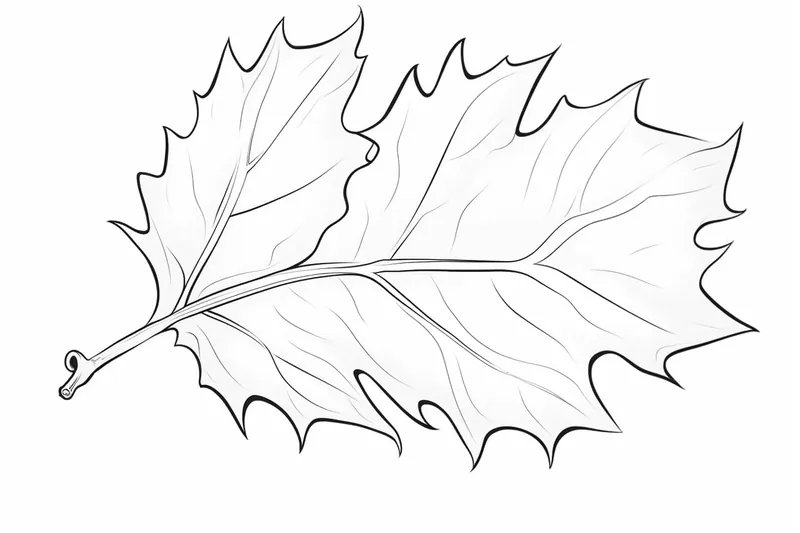
Materials You'll Need
- Pencil
- Paper
- Eraser
Welcome to this detailed tutorial on how to draw a holly leaf! The holly plant, with its glossy green leaves and bright red berries, has been cherished for centuries as a symbol of winter festivities and holiday cheer. Its distinctively spiky leaves and vibrant colors make it a popular choice for seasonal decorations, greeting cards, and festive illustrations. Whether you're creating a holiday card, designing winter-themed artwork, or simply practicing your botanical drawing skills, mastering the holly leaf can add a unique and recognizable element to your creative projects.
Learning how to draw a holly leaf is enjoyable and an excellent exercise in observing natural forms and practicing techniques such as outlining, shading, and adding texture. This subject is suitable for artists of all skill levels. Beginners will appreciate the clear, step-by-step guidance provided in this tutorial. At the same time, more experienced artists can focus on refining details like the sharp points of the leaf edges and the subtle veins that give holly leaves their lifelike appearance. Along the way, you'll better understand how to capture structure and character in your botanical drawings.
So, whether you're picking up a pencil for the first time or looking to enhance your illustration portfolio, this guide will walk you through the essential steps on how to draw a holly leaf. Gather your drawing materials, get comfortable, and let your creativity flourish. With a bit of patience and practice, you'll soon be able to create beautiful holly leaves that bring a festive spirit to any artwork!
Materials Required
Before we begin, let's gather all the materials you will need:
- Paper: Choose a smooth, sturdy paper that is suitable for drawing, such as bristol board or drawing paper.
- Pencils: Have a range of graphite pencils available, from HB to 4B. These will allow you to create different tones and textures.
- Eraser: A kneaded eraser is recommended as it won't damage the paper and can be shaped to erase small details.
- Blending tools: You can use a blending stump or a tortillon to blend and smooth out your shading.
- Reference image: Find a picture of a holly leaf to use as a reference or use a real holly leaf as a model.
Now that you have gathered your materials, let's dive into the step-by-step process of drawing a holly leaf.
Step 1: Outline the Basic Shape
Start by lightly sketching the basic shape of the holly leaf. Holly leaves are typically elongated and have a pointed tip. You can draw a long oval shape with a slightly curved center line to represent the main vein of the leaf. Keep your lines light and loose at this stage, as we will refine them later.
Step 2: Add the Serrated Edges
Next, draw the serrated edges of the holly leaf. These jagged edges give the leaf its characteristic texture. Make small, triangular shapes along both sides of the leaf, with the pointed tips facing outward. The serrations can vary in size and shape, so feel free to add your own creative touch.
Step 3: Define the Veins
Holly leaves have prominent veins that run along the length of the leaf. Use your reference image or observation skills to draw these veins. Start from the center line and draw smaller curved lines branching out towards the serrated edges. These veins add detail and depth to the leaf, so take your time to make them look natural.
Step 4: Refine the Outline
With the basic structure in place, it's time to refine the outline of the holly leaf. Use your pencil to darken the lines, adding more definition and shape to the leaf. Pay attention to the curves and angles of the leaf as you refine the outline. Make sure to erase any unnecessary guidelines or stray lines.
Step 5: Shade the Leaf
Now, we will add shading to give the holly leaf volume and depth. Start by identifying the light source in your reference image or choose one for your drawing. Imagine that the light is coming from a particular direction and create shadows accordingly. Using a softer pencil (e.g., 2B or 4B), shade the areas that are away from the light source. Apply light pressure with your pencil and build up the shading gradually to create a smooth transition between light and shadow.
Step 6: Add Texture to the Leaf
To make the holly leaf appear more realistic, we will add some texture. Use your pencil to lightly hatch or cross-hatch the surface of the leaf. This technique will create the illusion of small veins and tiny bumps on the leaf's surface. Be careful not to overdo it; the texture should be subtle.
Step 7: Blend and Smoothen
After adding texture, use a blending stump or tortillon to carefully blend and smoothen the shading. This will soften any harsh lines and create a more realistic appearance. Blend in the direction of the veins, following the natural flow of the leaf.
Step 8: Highlight and Enhance
Tip: As you work through your holly leaf drawing, take breaks to step back and view your artwork from a distance; this will help you assess the overall balance, proportions, and shading in your piece, allowing you to make more effective adjustments as you refine the details.
To make the holly leaf shine, add some highlights. Identify the areas where the light hits the leaf the most and use an eraser to gently lift off some graphite. This will create bright spots that add sparkle and dimension to your drawing. Be mindful not to erase too much; the highlights should be subtle and realistic.
Step 9: Final Touches
Take a step back and assess your drawing. Make any necessary adjustments or additions to enhance the overall look. Is there any part of the leaf that needs more shading? Is the texture balanced? Take your time and refine the details until you are satisfied with the result.
Conclusion
Congratulations on completing your holly leaf drawing! By following these step-by-step instructions, you have learned how to capture the beauty of this iconic holiday symbol. Remember to practice regularly to improve your drawing skills and explore different techniques. Have fun adding holly leaves to your holiday artwork and spread the festive cheer!
Fun Facts About the Holly Leaf
- The holly leaf is famous for its sharp, spiny edges, which help protect the plant from herbivores.
- Holly leaves are evergreen, meaning they stay green and vibrant throughout the winter.
- In many cultures, holly leaves symbolize protection and good fortune during the holiday season.
- The glossy surface of holly leaves helps them retain moisture and survive harsh winter conditions.
- Holly leaves are dioecious, meaning individual plants are either male or female.
- The spines on holly leaves are more pronounced on lower branches to deter grazing animals.
- Holly leaves have been used in traditional medicine for centuries.
- Only female holly plants produce the iconic red berries, which are toxic to humans but a vital food source for birds.
- Holly leaves are often featured in Christmas decorations and folklore.
Suggestions for Scenes and Settings for Holly Leaf Drawings
- A close-up botanical study featuring a single holly leaf with detailed veins and realistic shading.
- A festive holiday wreath composed of intertwined holly leaves and berries, hanging on a rustic wooden door.
- A winter woodland scene where holly leaves peek out from under a dusting of fresh snow.
- An arrangement of holly leaves and berries as the centerpiece of a seasonal greeting card design.
- A whimsical illustration of woodland animals (such as a robin or squirrel) interacting with holly branches.
- A still life composition combining holly leaves with other traditional holiday plants like pinecones and mistletoe.
- An abstract pattern or border made entirely of overlapping holly leaves in varying shades of green.
- A magical night scene with glowing holly leaves illuminated by twinkling fairy lights.
- A vintage botanical illustration featuring labeled holly leaves, berries, and stems for educational purposes.
- A zoomed-in texture study focusing on the glossy surface and serrated edges of the holly leaf.