How to Draw a Hijab
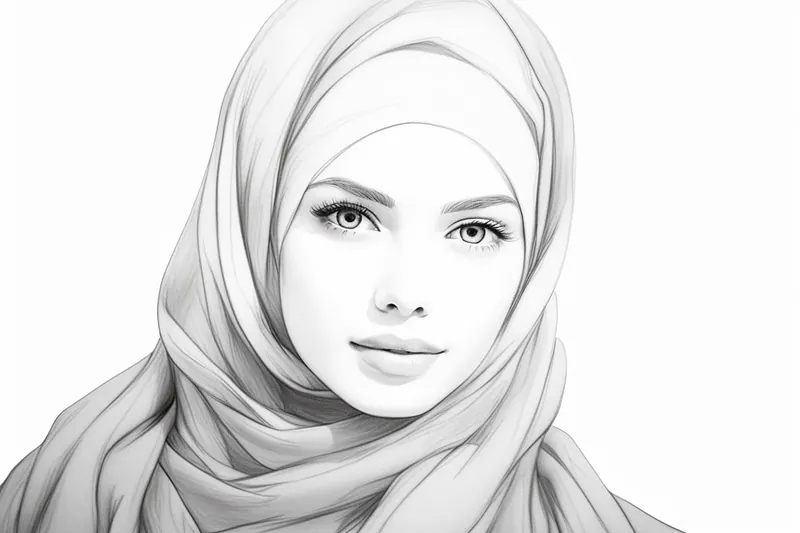
Learn how to draw a hijab in a few simple steps. This step-by-step guide provides clear instructions and materials needed for drawing a hijab.
Materials You'll Need
- Pencil
- Paper
- Eraser
The hijab is a traditional headscarf worn by many Muslim women around the world, symbolizing modesty, cultural identity, and personal expression. Its graceful folds and elegant draping can add a beautiful element of realism and diversity to your artwork. Learning how to draw a hijab not only helps you develop your artistic skills, but also fosters a deeper understanding and appreciation for different cultures and the significance behind this meaningful garment. Artists often choose to draw hijabs to celebrate inclusivity, represent Muslim characters authentically, or simply explore the unique challenges of depicting fabrics and textures in their art.
Whether you are a beginner eager to expand your artistic repertoire or an experienced illustrator looking to add cultural variety to your portraits, this tutorial will guide you through the essential steps of how to draw a hijab. You'll discover techniques for sketching natural-looking folds, capturing the way fabric wraps around the face, and shading to give your drawing depth and dimension. The tutorial breaks things down into manageable sections, making it accessible for artists of all skill levels. By the end, you'll have the confidence to draw a hijab with ease and accuracy, and you'll be able to incorporate this skill into your own creative projects.
Don't worry if you haven't drawn clothing or fabrics before—practice makes perfect, and this step-by-step guide will support you every step of the way. With patience and a bit of creativity, you'll soon be able to depict the elegance and cultural richness of the hijab in your art. Let's get started and unlock a new level of artistic expression together!
Required Materials
Before we begin, gather the following materials:
- Pencil
- Eraser
- Drawing paper
- Colored pencils or markers (optional)
Now that you have your materials ready, let's get started!
Step 1: Draw the Face
Start by drawing a rough outline of the face. Keep it simple but proportional. You can draw a circle for the head and add vertical and horizontal guidelines to help you align the facial features.
Step 2: Sketch the Hijab Shape
Using light pencil strokes, sketch the overall shape of the hijab. The hijab typically covers the head, neck, and shoulders, with various styles and folds. You can start by drawing a curved line from one side of the face to the other, just above the guidelines you drew in the previous step.
Step 3: Add Draping
Tip: As you draw the hijab, consider using a reference image to better understand the fabric's texture and how it interacts with light; this will help you accurately capture the intricate folds and shadows. Experiment with varying pencil pressure when shading to create depth, and don't hesitate to incorporate different colors or patterns to reflect the cultural richness of the hijab.
To make the hijab appear more realistic, add some draping details. You can do this by sketching curved lines within the hijab shape, following the contours of the head and neck. Pay attention to where the fabric would naturally fold and overlap.
Step 4: Define the Face
Now that the hijab shape is taking form, it's time to define the facial features. Use the guidelines as a reference and draw the eyes, nose, and mouth within the face outline. Remember to keep the face proportions accurate and adjust them as needed.
Step 5: Refine the Hijab Shape
With the facial features in place, it's time to refine the hijab shape. Use bold pencil lines to outline the final shape, erasing any unnecessary guidelines. Make sure the hijab covers the hair and extends down the neck and shoulders.
Step 6: Add Texture and Details
To bring the hijab to life, add texture and details. You can do this by lightly shading areas of the hijab to create the illusion of folds and creases. If you're using colored pencils or markers, choose appropriate colors for the fabric and add shading and highlights for depth.
Step 7: Final Touches
Take a moment to review your drawing and make any necessary adjustments. Erase any stray lines or smudges, and refine the facial features if needed. Want to add more details? Consider drawing accessories like earrings or a necklace to complement the hijab.
Conclusion
Drawing a hijab can be a rewarding artistic experience and a way to appreciate and celebrate Muslim culture. By following these step-by-step instructions, you can create a beautiful representation of a hijab in your artwork. Remember to practice, experiment with different styles, and most importantly, have fun expressing your creativity through drawing hijabs.
Fun Facts About Hijabs
- The word hijab comes from the Arabic word for "cover" or "barrier."
- Hijab is not just a headscarf but also refers to the broader concept of modesty in Islamic teachings.
- There are many styles of hijab around the world, including the shayla, khimar, and al-amira.
- Wearing the hijab is a personal choice for many Muslim women and can be an expression of faith, identity, and empowerment.
- Some countries have laws that either require or ban the wearing of hijab in public spaces, reflecting different cultural and political attitudes.
- The hijab is often worn during prayer by Muslim women as a sign of respect and devotion.
- World Hijab Day, celebrated on February 1st, encourages people of all backgrounds to experience wearing the hijab and promote understanding and solidarity.
- Hijabs can be made from a variety of fabrics, including cotton, silk, and chiffon, allowing for personal style and comfort.
- Some athletes wear specially designed sports hijabs to compete comfortably while maintaining their modesty.
Suggestions for Scenes and Settings for Hijab Drawings
- A portrait of a woman wearing a floral-patterned hijab, with delicate flowers and leaves incorporated into the fabric design.
- A bustling city street scene featuring diverse women in various hijab styles, highlighting cultural vibrancy and everyday life.
- A young girl tying her scarf for the first time in front of a mirror, capturing a moment of personal growth and tradition.
- A group of friends from different backgrounds laughing together, some wearing hijabs and others not, celebrating inclusivity and friendship.
- A serene outdoor setting with a woman in a flowing hijab reading a book under a tree, showing the interplay of light and fabric folds.
- A fashion illustration showcasing a modern, stylish hijab paired with contemporary clothing and accessories.
- A grandmother teaching her granddaughter the art of wrapping a scarf, symbolizing generational wisdom and heritage.
- A sports scene with a hijabi athlete in motion, such as running, cycling, or playing soccer, emphasizing strength and determination.
- A close-up study focusing on the textures, folds, and draping of different hijab fabrics, like silk, cotton, or chiffon.
- A festive celebration scene, such as Eid or a wedding, with women in colorful, elaborately decorated hijabs and traditional attire, including a princess dress.