How to Draw a Fence
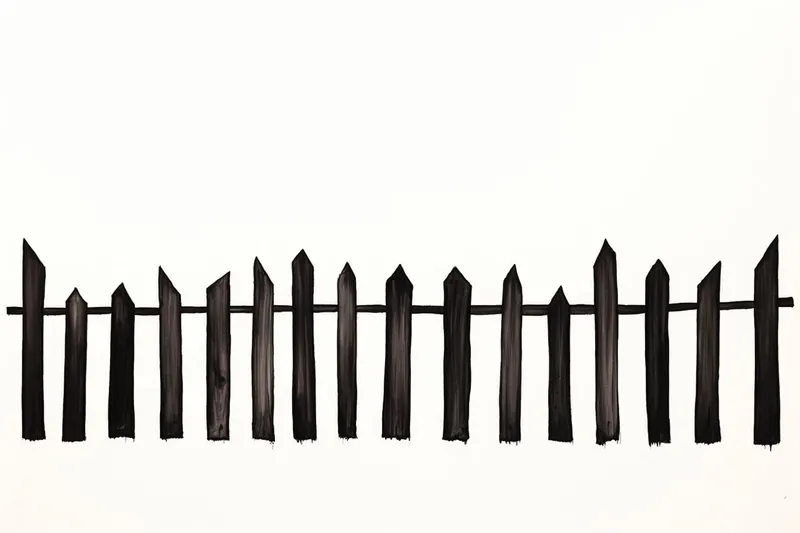
Learn how to draw a fence with this step-by-step tutorial. Create realistic and visually pleasing fence drawings with the help of an expert artist and instructor.
Materials You'll Need
- Pencil
- Paper
- Eraser
Fences are a common yet often overlooked feature in many landscapes and scenes, serving both practical and aesthetic purposes. Whether they are rustic wooden picket fences winding through a countryside meadow or sleek metal barriers marking boundaries in a modern garden, fences can add depth, context, and interest to your drawings. Learning how to draw a fence allows you to enrich your illustrations, create more dynamic backgrounds, and tell a more complete story within your art. Fences can also symbolize boundaries, protection, or even invitation, depending on how they are depicted, making them a versatile subject for artists of all styles.
If you've ever wondered how to draw a fence that looks realistic and fits seamlessly into your artwork, this tutorial is designed for you. Drawing a fence involves understanding perspective, proportion, and texture—skills that are fundamental to improving your overall drawing abilities. This step-by-step guide is suitable for beginners eager to build foundational skills, as well as more experienced artists who want to refine their technique or experiment with different fence styles. Along the way, you'll learn how to sketch the basic structure, establish spacing between posts and rails, and add finishing touches that make your fence come to life. Don't worry if your first attempt isn't perfect—each drawing is a valuable step on your creative journey. Grab your pencils, and let's dive into how to draw a fence together, one line at a time!
Materials Required
Before we begin, it's important to gather the necessary materials. Here's what you'll need:
- Drawing paper or sketchbook
- Pencil - preferably HB or 2B for smooth shading
- Eraser
- Ruler
- Compass (optional)
- Colored pencils or markers (optional)
Having these materials ready will ensure a smooth and enjoyable drawing experience. Now, let's move on to the step-by-step process of drawing a fence.
Step 1: Planning the Composition
Start by visualizing the composition of your fence drawing. Decide on the angle, position, and size of the fence in relation to the surrounding environment. It may be helpful to make a light sketch of the overall layout using simple shapes and lines. This step will guide you in creating a well-proportioned and aesthetically pleasing fence.
Step 2: Drawing the Posts
Using your pencil and ruler, draw vertical lines to represent the posts of the fence. Ensure that the lines are straight and evenly spaced, maintaining a consistent width throughout. The height and thickness of the posts can vary depending on your artistic preference and the style of the fence you are drawing. Keep in mind the size and scale of the overall composition.
Step 3: Adding the Horizontal Rails
Next, draw horizontal lines to represent the rails connecting the posts. Use your ruler to ensure that the lines are straight and parallel to each other. The number of rails will depend on the style of the fence. For a traditional picket fence, two to three rails are common, while a more modern fence may have a single rail or no rails at all.
Step 4: Creating the Pickets
To create the pickets, draw vertical lines evenly spaced between the posts. These lines should be perpendicular to the horizontal rails. The length and width of each picket can vary, giving the fence a unique and personalized look. Make sure the pickets are evenly aligned and have consistent spacing.
Step 5: Adding Texture and Detail
Now that you have the basic structure of the fence, it's time to add texture and detail. Use your pencil to create shading and texture on the posts, rails, and pickets. You can add wood grain details or create a weathered look by adding subtle lines and shading. The level of detail is up to you, but remember to keep the texture consistent throughout the drawing.
Step 6: Erasing Guidelines
Tip: When planning your composition for drawing a fence, consider the surrounding elements and how they influence perspective; using light sketching to map out the scene will help ensure that the fence appears naturally integrated into its environment. Pay attention to how the angle of the fence interacts with other objects, as this will enhance depth and realism in your artwork.
Once you are satisfied with the overall appearance of the fence, use your eraser to carefully remove any unnecessary guidelines and pencil marks. Be gentle to avoid smudging or damaging the drawing. This step will give your fence a clean and polished look.
Step 7: Optional Coloring
If you prefer to add color to your drawing, you can use colored pencils or markers to bring the fence to life. Consider the type of wood or paint you want to depict and create realistic color tones using light and shadow. Experiment with different color combinations to achieve the desired effect.
Mistake Alert: A common mistake when drawing fences is making all the posts and rails perfectly parallel and evenly spaced, regardless of the fence's angle or the landscape's perspective. This happens because it feels intuitive to line everything up, but it can lead to a flat, unnatural look that doesn't sit well in your scene. To avoid this, remember to use perspective guidelines—fence posts should get closer together and shorter as they recede into the distance, and the top and bottom rails should follow the vanishing point. Lightly sketch these guidelines first to help your fence blend realistically with the environment, and don't be afraid to let the lines curve or dip slightly if the ground is uneven. This extra step will make your fences feel integrated and believable within your artwork!
Conclusion
Drawing a fence requires attention to detail and a good understanding of perspective and proportion. By following these step-by-step instructions and practicing regularly, you can create impressive fence drawings that showcase your artistic skills. Remember to plan your composition, draw the basic structure, add texture and detail, and erase any unnecessary guidelines. Feel free to experiment with different styles, colors, and textures to make your fence drawing unique. With practice, you will be able to draw fences that are not only visually appealing but also capture the essence of the surrounding environment.
So grab your drawing materials and start creating your own fence masterpiece today!
Fun Facts About Fences
- The oldest known fences date back over 4,000 years and were used in ancient Mesopotamia to mark property boundaries.
- The classic white picket fence became a symbol of the American Dream in the 20th century.
- Fences can be made from a variety of materials, including wood, metal, vinyl, and even living plants like hedges.
- The Great Wall of China, often considered the world's longest fence, stretches over 13,000 miles.
- In Australia, the Dingo Fence is one of the longest structures in the world, built to keep wild dogs away from farmland.
- Fences are not just for security—they can also provide privacy, reduce noise, and enhance landscape aesthetics.
- Some modern fences use smart technology, such as sensors and cameras, for enhanced security.
- Traditional Japanese gardens often use bamboo fences for both beauty and function.
- Fences can serve as important wildlife corridors, allowing animals to safely cross human-dominated landscapes.
Suggestions for Scenes and Settings for Fence Drawings
- A cozy countryside scene with a weathered wooden fence winding through tall grasses and wildflowers.
- A backyard garden with a colorful picket fence adorned with climbing roses and ivy.
- An old farmstead, featuring a rustic split-rail fence with a backdrop of grazing animals and distant barns. How to Draw a Farm
- A serene lakeside view where a simple metal fence frames the water and distant mountains.
- A whimsical fantasy setting with a crooked fence leading to a mysterious forest or secret garden gate.
- A bustling cityscape with sleek, modern fencing enclosing a rooftop garden or urban park. Drawing Ideas - A Busy Cityscape
- A snowy winter scene with a sturdy wooden fence partially buried under drifts and sparkling icicles. How to Draw a Winter Landscape
- A beachside boardwalk lined with a low rope fence and windswept dunes in the background. How to Draw a Beach Scene
- An abandoned playground where a broken chain-link fence hints at stories of the past.
- A night scene featuring a shadowy fence under moonlight, with intricate silhouettes and long shadows.