How to Draw a Couch
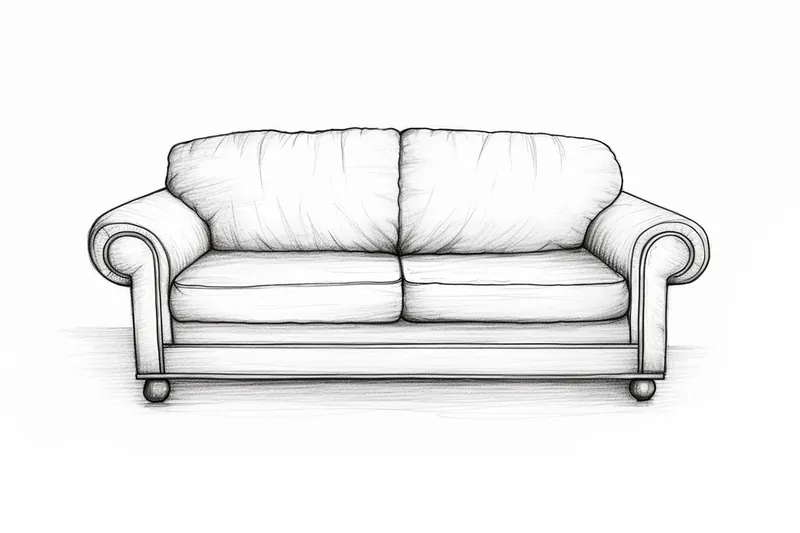
Learn how to draw a couch with this step-by-step tutorial. Create a realistic representation of a couch using simple techniques and materials. Perfect for artists of all levels!
Materials You'll Need
- Pencil
- Paper
- Eraser
The humble couch is more than just a piece of furniture—it's the centerpiece of many living rooms, a place for comfort, relaxation, and gathering with loved ones. Learning how to draw a couch not only helps you practice capturing everyday objects, but also allows you to explore perspective, proportion, and texture in your artwork.
A well-drawn couch can add a sense of coziness and realism to interior scenes, storytelling illustrations, or even design sketches for home décor projects. Whether you prefer modern, minimalist sofas or plush, vintage settees, understanding the structure and details of a couch will enhance your overall drawing skills.
This tutorial on how to draw a couch is perfect for artists of all levels. Beginners can focus on mastering basic shapes and outlines, while more advanced artists may experiment with shading, fabric folds, and intricate details like cushions or tufted patterns. The step-by-step approach will guide you through breaking down complex forms into manageable parts, making the drawing process approachable and enjoyable.
By the end, you'll have not only a completed couch drawing, but also a better grasp of fundamental art techniques that you can apply to other subjects. So gather your materials, relax, and let your creativity take a comfortable seat—you're about to create something both fun and rewarding!
Materials Required
Before we jump into the step-by-step process, let's gather the materials you'll need for this drawing:
- Drawing paper or sketchbook
- Pencil
- Eraser
- Ruler
- Colored pencils or markers (optional)
Make sure to have all these materials ready before you begin. Once you have everything in place, we can start drawing!
Step 1: Create the Basic Outline
To start, let's sketch the basic shape of the couch. Begin by drawing a rectangular shape for the main body of the couch. Use light, gentle strokes with your pencil, as we'll be refining this outline later on. Remember to keep the proportions and measurements in mind as you go.
Step 2: Add the Armrests
Next, let's add the armrests to our couch. Extend two lines outward from the sides of the rectangular shape. These lines will serve as the framework for the armrests. You can make them as thin or thick as you prefer, depending on the type of couch you want to draw.
Step 3: Outline the Cushions
Now, let's outline the cushions of the couch. Starting from the top of the rectangular shape, draw horizontal lines at regular intervals to represent the cushions. Ensure that the lines are parallel and evenly spaced. This will give the couch a more realistic and comfortable look.
Step 4: Define the Details
Once you have the basic structure in place, it's time to add some details to make your drawing more interesting. Begin by refining the outline of the couch, giving it a clean and polished look. Pay attention to the curves and edges, making sure they're smooth and well-defined.
Step 5: Draw the Legs
Now, let's draw the legs of the couch. Extend vertical lines downward from the corners of the rectangular shape. These lines will serve as the framework for the legs. You can adjust the length and shape of the legs based on your preference and the style of couch you're drawing.
Step 6: Add Texture and Shadows
To give your drawing depth and dimension, it's important to add texture and shadows. Use shading techniques to create the illusion of different materials, such as fabric or leather, on the couch. Pay attention to the areas where shadows would naturally appear, such as underneath the cushions and along the edges.
Step 7: Refine and Add Details
At this stage, take a step back and assess your drawing. Make any necessary adjustments to the proportions and details. Add any additional elements, such as buttons or decorative patterns, to make your couch more unique and personalized.
Step 8: Color (Optional)
If you prefer to add color to your drawing, now is the time to do so. Use colored pencils or markers to bring your couch to life. Take note of the materials and colors you want to depict, and apply them accordingly. This step is optional, but it can add an extra layer of vibrancy and realism to your artwork.
Tip: As you work through the steps of drawing your couch, consider using reference images of real couches for inspiration on proportions and details; observing how light interacts with different materials can also guide your shading and texture techniques. This practice will enhance the realism of your drawing and help you capture the unique characteristics of various couch styles.
Mistake Alert: One of the most common mistakes when drawing a couch is flattening its form by forgetting to use perspective, which can make your couch look stiff and unnatural. This often happens because beginners focus on outlining the visible shapes without considering how the seat, arms, and backrest recede in space. To avoid this, lightly sketch the couch using simple 3D blocks (like rectangles or cylinders) and use vanishing points to guide the angles of the cushions and arms. Double-check that the front edge is wider and more prominent, while the sides and back appear slightly foreshortened—this adds depth and realism to your drawing. Don't be afraid to redraw your guidelines as needed before committing to final lines; a little extra planning at the start will make your couch feel comfortable and believable!
Conclusion
Congratulations! You have successfully learned how to draw a couch. By following these step-by-step instructions, you can create a detailed and realistic representation of this common household item. Remember to practice and experiment with different styles and techniques to further enhance your drawing skills. So grab your pencil and paper, and start sketching your very own couch masterpiece!
Fun Facts About Couch
- The word "couch" comes from the French word coucher, meaning "to lie down."
- The oldest known couch dates back to ancient Egypt, where pharaohs used raised wooden beds as seating furniture.
- The modern sofa as we know it became popular in Europe during the 17th century, evolving from the settee.
- Chesterfield sofas, known for their deep button tufting, were first commissioned by the 4th Earl of Chesterfield in the 1700s.
- The average American spends about four hours a day sitting on their couch.
- Sectional couches were invented in the 1950s to accommodate the growing popularity of open-plan living rooms.
- Leather couches are prized for their durability and have been used since ancient times in furniture making.
- In Japan, traditional homes often use floor seating instead of couches, reflecting a unique cultural approach to comfort.
- The world's largest couch, measuring over 100 feet long, was created in South Africa and holds a Guinness World Record.
- Convertible couches, or sofa beds, were patented in the early 20th century to maximize space.
Suggestions for Scenes and Settings for Couch Drawings
- A cozy living room with a sleeping cat curled up on the couch.
- A couch in a sunlit bay window, surrounded by houseplants and books.
- A modern, minimalist sofa in a sleek, urban apartment.
- A vintage, tufted settee in an elegant Victorian parlor.
- A messy couch covered in colorful throw blankets and pillows after a movie night.
- A couch set up as a fort, draped with sheets and cushions for imaginative play.
- A designer's sketch of a futuristic modular sofa in a concept showroom.
- A cozy scene of two friends chatting over coffee on a sectional couch.
- A pet lounging across the armrest, with toys scattered on the floor below.
- A dramatic nighttime setting with the couch illuminated by a single floor lamp.