How to Draw a Chow Chow
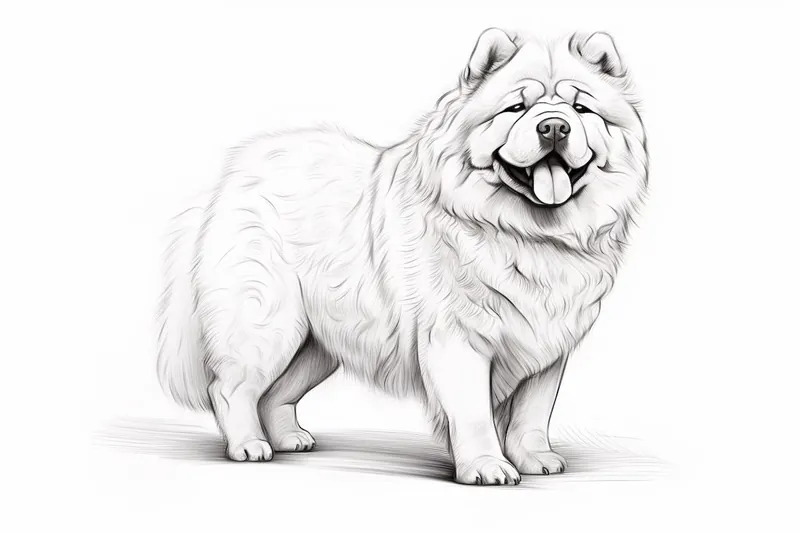
Learn how to draw a Chow Chow in this step-by-step tutorial. Discover the techniques, materials, and tips to create a stunning illustration of this adorable breed.
Materials You'll Need
- Pencil
- Paper
- Eraser
The Chow Chow is a truly unique and charming dog breed, instantly recognizable by its lion-like mane, fluffy coat, and distinctive blue-black tongue. Originating from ancient China, the Chow Chow has captured the hearts of dog lovers around the world with its dignified stance and expressive, soulful eyes. Their thick fur and adorable appearance make them an appealing subject for artists who enjoy capturing the special qualities of different dog breeds. If you've ever wanted to try your hand at drawing animals, learning how to draw a chow chow is a wonderful way to practice your skills while celebrating the beauty of this remarkable canine.
This tutorial is designed for artists of all skill levels, from beginners just starting their artistic journey to more experienced illustrators seeking a fun new project. Drawing a Chow Chow is an excellent exercise in observing proportion, texture, and fur detail. You'll learn how to build up the structure of the dog using basic shapes, and then gradually add layers of shading and detail to create the fluffy, voluminous coat that makes the Chow Chow so distinctive. Along the way, you'll pick up valuable techniques for drawing fur, capturing facial expressions, and refining small details that bring your artwork to life.
Whether you're drawing for relaxation, to improve your skills, or to create a special gift for a dog-loving friend, this step-by-step guide on how to draw a chow chow will help you achieve a realistic and charming portrait. Don't worry if you're new to drawing—patience and practice are key. With each step, you'll see your Chow Chow come to life on the page. So gather your materials, get comfortable, and let's embark on this creative adventure together!
Materials Required
Before we begin, let's gather the materials you'll need to complete this drawing:
- Pencil: Start with a soft graphite pencil like a 2B or 4B for sketching and initial outlines.
- Paper: Use smooth drawing paper that can handle pencil work. A medium-weight paper is ideal.
- Eraser: Have a kneaded eraser or a soft vinyl eraser handy for making corrections and adjustments.
- Blending tools: Consider having a blending stump or tortillon to help achieve smooth shading and blending.
- Reference image: Find a clear photo of a Chow Chow to use as a visual reference while drawing.
Now that we have everything we need, let's dive into the step-by-step process of drawing a Chow Chow.
Step 1: Basic Outline
Start by lightly sketching the basic shapes of the Chow Chow using your pencil. Begin with a large oval shape for the body and add smaller circles for the head and limbs. Pay attention to the proportions and positioning of these shapes, as they will form the foundation for the rest of the drawing.
Step 2: Facial Features
Using your reference image as a guide, add the Chow Chow's unique facial features. Draw the eyes, nose, and mouth, paying close attention to their placement and proportions. Chow Chows have a prominent snout, so be sure to capture that distinctive characteristic. Use light, curved lines to define these features and give them a three-dimensional look.
Step 3: Fur Structure
One of the most striking features of a Chow Chow is its thick and fluffy fur. Begin by sketching the outline of the fur, following the contours of the body. Then, using short, curved strokes, start adding the texture and detail of the fur. Gradually build up the layers, varying the length and direction of your strokes to achieve a realistic depiction of the Chow Chow's coat.
Step 4: Ears and Tail
Next, focus on drawing the Chow Chow's ears and tail. These are important features that add to the breed's distinct appearance. Observe the shape and position of the ears and tail in your reference photo, and carefully recreate them in your drawing. Pay attention to the fur texture and direction as you add detail to these areas.
Step 5: Darken Shading
Now that the basic structure of the Chow Chow is complete, it's time to add depth and dimension through shading. Use your pencil to darken certain areas of the drawing that would naturally be in shadow. This could include the underside of the body, behind the ears, and areas between fur strands. Gradually build up the shading, observing the reference photo for guidance on where to add darker values.
Step 6: Refine Details
With the overall shading in place, it's time to refine the details of your Chow Chow drawing. Focus on the eyes, nose, and mouth, adding more depth and realism to these features. Pay attention to the subtle changes in value and texture, using your reference image as a guide. Use your eraser to lighten certain areas and create highlights, giving your drawing a more polished and lifelike appearance.
Step 7: Final Touches
After completing the previous steps, take a step back and assess your drawing. Make any necessary adjustments to ensure accuracy and enhance the overall composition. Use your eraser to clean up any stray marks or smudges, and add any final touches to bring your Chow Chow drawing to life.
Tip: To capture the Chow Chow's signature fluffy coat, try using short, overlapping pencil strokes that follow the direction of fur growth, especially around the mane and cheeks. Start with a light hand to map out the major fur masses, then gradually build up layers for depth and volume—this will help achieve that iconic, plush look. A kneaded eraser can be your best friend for lifting highlights and softening fur edges, giving the coat a more realistic, three-dimensional feel. Don't forget to pause and squint at your drawing occasionally; this helps you see if the overall fluffiness and proportions are reading well from a distance.
Conclusion
Congratulations on completing your Chow Chow drawing! By following these simple steps, you have learned how to capture the unique features and charm of this beautiful breed. Remember, practice makes perfect, so keep honing your drawing skills and experimenting with different techniques. With time and dedication, you will be able to create stunning drawings of not only Chow Chows but also other subjects. Happy drawing!
Fun Facts About Chow Chow
- The Chow Chow is one of the oldest dog breeds in the world, with origins dating back over 2,000 years in China.
- This breed is famous for its unique blue-black tongue, a trait shared by very few other dogs.
- Chow Chows have a distinctive lion-like mane and a dense double coat that comes in several colors.
- They are known for their aloof and dignified temperament, often described as cat-like in their independence.
- Chow Chows were originally bred for hunting, guarding, and pulling carts in ancient China.
- Queen Victoria was a fan of the breed, helping to popularize Chow Chows in England during the 19th century.
- Chow Chows require early socialization and training due to their strong-willed nature.
- The breed is prone to certain health issues, including hip dysplasia and entropion, a condition where the eyelid rolls inward.
Suggestions for Scenes and Settings for Chow Chow Drawings
- A regal Chow Chow sitting on an ornate Chinese throne, surrounded by traditional lanterns and silk drapery.
- A playful Chow Chow pup frolicking in a field of wildflowers, fur ruffled by the breeze.
- A dignified Chow Chow standing in the snow, its thick coat dusted with frosty flakes.
- A curious Chow Chow gazing into a koi pond, its reflection shimmering in the water.
- A sleepy Chow Chow curled up by a cozy fireplace, basking in the warm glow.
- A Chow Chow dressed in a festive scarf, walking through a bustling autumn park with colorful leaves swirling around.
- A whimsical scene of a Chow Chow as a lion in a magical forest, blending in with other mythical creatures.
- A Chow Chow puppy exploring a bamboo grove, with dappled sunlight filtering through the leaves.
- A Chow Chow family portrait—adults and pups together in a peaceful garden setting.
- A Chow Chow with a traditional Chinese paper umbrella, sitting serenely during a gentle rain.