How to Draw a Bluebonnet
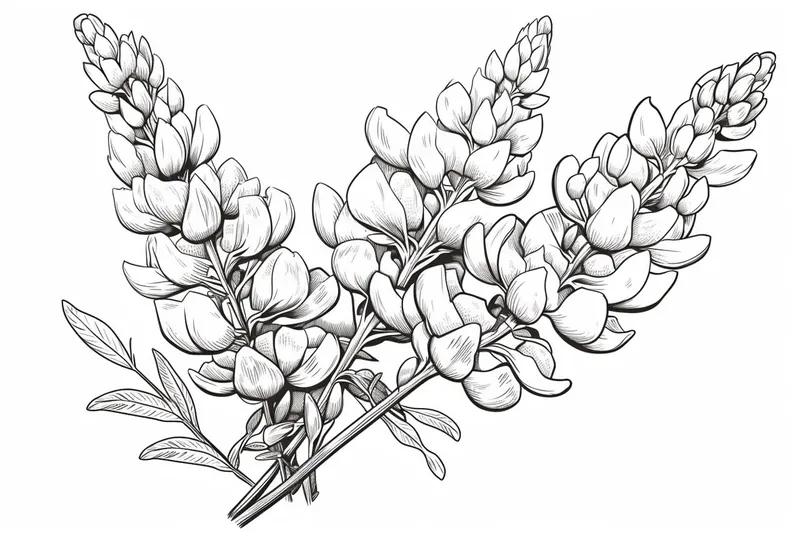
Learn how to draw a bluebonnet, the iconic flower of Texas, with this step-by-step tutorial. Capture the beauty of this delicate wildflower in your artwork.
Materials You'll Need
- Pencil
- Paper
- Eraser
Welcome to this detailed tutorial on how to draw a bluebonnet, the vibrant and beloved wildflower that holds the title of Texas's state flower. Bluebonnets are celebrated for their striking blue petals and delicate structure, making them a favorite subject for artists seeking to capture the essence of springtime beauty. Drawing a bluebonnet offers a wonderful opportunity to explore natural forms, intricate petal arrangements, and subtle color gradations that bring this flower to life on paper. Whether you're inspired by its cultural significance or simply want to enhance your botanical drawing skills, this tutorial will guide you through each step with clarity and patience.
Learning how to draw a bluebonnet is an engaging challenge that suits artists of various skill levels. Beginners will appreciate the clear, step-by-step instructions that break down the complex shapes into manageable parts, while more experienced artists can refine their techniques in shading and detailing. This tutorial encourages the use of fundamental skills such as careful observation, proportion, and layering, helping you develop precision and confidence in your drawing. You'll also gain insight into the flower's anatomy, from the clustered petals to the slender stem, which adds depth and realism to your artwork.
By the end of this guide on how to draw a bluebonnet, you will not only have created a beautiful piece of art but also deepened your appreciation for this iconic flower. Embrace the process with patience and creativity, knowing that every stroke brings you closer to capturing the delicate charm of the bluebonnet. So gather your materials, open your mind to the natural world, and let's begin this rewarding artistic journey together!
Materials Required
To draw a bluebonnet, you will need the following materials:
- Pencil: Choose a pencil with a medium hardness (HB) for sketching and outlining.
- Eraser: Select a soft eraser that won't damage the paper.
- Sketching Paper: Use a smooth and heavyweight paper for better results.
- Colored Pencils or Watercolor Paints: You can choose either colored pencils or watercolors to add color to your drawing.
- Fine-tip Pen (Optional): A fine-tip pen can be used for adding precise details to your bluebonnet drawing.
Now that we have our materials ready, let's dive into the step-by-step instructions.
Step 1: Preliminary Sketch
Start by lightly sketching the basic shape of the bluebonnet flower using your pencil. Begin with a small oval shape for the center of the flower, and then draw five elongated petals around it. Remember that bluebonnet petals have a unique shape, resembling a rounded triangle.
Step 2: Define Petal Outlines
Using your pencil, carefully define the outlines of the petals, making them thicker and distinct. Add slight curves and irregularities to mimic the natural look of the flower. Bluebonnet petals tend to curl slightly, so keep that in mind while drawing.
Step 3: Create Petal Details
Add curved lines within each petal to create the delicate veins and textures of the flower. These lines should start from the base of the petal and extend towards the tip, following the natural curve of the petal.
Step 4: Draw the Stem and Leaves
Extend a long, slender line downward from the center of the flower to create the stem. Bluebonnet stems are usually green and slightly wavy. Next, draw two small, lobed leaves on either side of the stem. These leaves should have rounded tips.
Step 5: Refine the Outline
Carefully review your initial sketch and make any necessary adjustments to refine the overall shape and proportions of your bluebonnet drawing. Pay attention to the curves of the petals, ensuring they look natural and flow gracefully.
Step 6: Add Color
Now it's time to add color to your bluebonnet drawing. If you're using colored pencils, lightly layer shades of blue for the petals, gradually intensifying the color towards the outer edges. Use a lighter shade of green for the stem and leaves.
Alternatively, if you're using watercolor paints, start by wetting the petals with clean water. Then, apply a light wash of blue, gradually adding darker tones for a realistic effect. Allow the paint to dry completely before moving on to the next step.
Step 7: Enhance with Details
To bring your bluebonnet drawing to life, add some fine details using either colored pencils or a fine-tip pen. Define the petal veins further, and add small dots or lines to represent the flower's stamen and stigma. Be subtle with the details, as bluebonnets have a delicate appearance.
Step 8: Final Touches
Take a step back and evaluate your drawing. Make any necessary adjustments and add final touches to enhance its overall appeal. Erase any remaining pencil marks that aren't needed and clean up any smudges or stray lines to give your bluebonnet a polished look.
Tip: As you work through the steps of drawing your bluebonnet, take frequent breaks to step back and evaluate your progress; this will help you see your work from a fresh perspective, allowing you to identify areas for improvement in shape, detail, and color application. Additionally, consider using reference photos of bluebonnets to enhance your understanding of their natural forms and colors, ultimately leading to a more realistic and vibrant representation in your artwork.
Conclusion
Congratulations on completing your bluebonnet drawing! By following these step-by-step instructions, you've learned how to capture the beauty of this iconic flower on paper. Remember, practice makes perfect, so feel free to experiment and try different techniques to further refine your skills.
Now that you know how to draw a bluebonnet, let your creativity bloom and enjoy the process of creating stunning botanical artwork. Capture the essence of nature's wonders and share your masterpiece with the world!
Fun Facts About Bluebonnet
- The bluebonnet is the state flower of Texas, officially designated in 1901.
- Bluebonnets belong to the genus Lupinus, which includes over 200 species worldwide.
- These wildflowers bloom in early spring, typically from March to April, creating vast blue fields across Texas. National Park Service
- Bluebonnets have a unique shape with petals resembling a bonnet, which inspired their common name.
- The bluebonnet's blue color comes from anthocyanin pigments, which also protect the plant from UV damage.
- Bluebonnets are nitrogen-fixing plants, meaning they enrich the soil by converting atmospheric nitrogen into a usable form.
- Native American tribes used bluebonnet seeds for food and medicinal purposes after proper preparation. Smithsonian National Museum of the American Indian
Suggestions for Scenes and Settings for Bluebonnet Drawings
- A close-up study of a single bluebonnet flower with dewdrops on its petals in the early morning light.
- A field of bluebonnets stretching across rolling Texas hills under a bright spring sky.
- Bluebonnets growing along a rustic wooden fence with a soft-focus farm landscape in the background.
- A whimsical scene of bluebonnets intertwined with butterflies and bees, emphasizing pollination and life.
- A detailed botanical illustration showing the anatomy of the bluebonnet, including petals, stem, and leaves with scientific labels.
- Bluebonnets blooming beside a calm creek, reflecting the flowers and surrounding greenery in the water.
- A vintage-style still life featuring a bouquet of bluebonnets in a glass jar on a wooden table.
- Bluebonnets growing wild alongside other native Texas wildflowers, creating a colorful natural tapestry.
- A bluebonnet standing resilient on a rocky outcrop, symbolizing strength and beauty in adversity.
- A dreamy sunset scene where bluebonnet fields fade into the horizon with warm, glowing skies.