How to Draw a Bird Nest
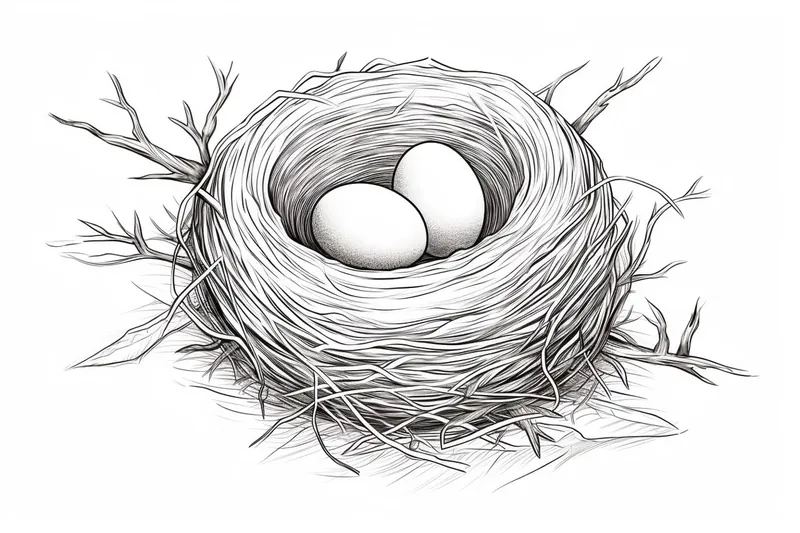
Learn how to draw a realistic bird nest with this step-by-step tutorial. Perfect for beginners and experienced artists. Explore textures and details of nature in your art.
Materials You'll Need
- Pencil
- Paper
- Eraser
Welcome to this detailed and engaging guide on how to draw a bird nest, an artful subject that captures the intricate beauty of nature. Bird nests are fascinating structures, often delicately woven from twigs, leaves, and grasses, serving as protective homes for bird families. Drawing a bird nest offers a wonderful opportunity to explore texture, form, and natural patterns, making it a rewarding project for artists who appreciate the organic detail and complexity found in the natural world. Whether you are inspired by nature journaling, want to create realistic wildlife art, or simply enjoy sketching, learning how to draw a bird nest can enhance your observation skills and artistic techniques.This tutorial is thoughtfully designed for artists at various skill levels. Beginners will find clear, step-by-step instructions that make the process approachable, while more experienced artists can refine their shading, line work, and texturing skills to achieve a lifelike result. Drawing a bird nest involves mastering fundamental techniques such as layering lines to create a woven effect, applying shading to convey depth, and balancing detail without overwhelming the composition. These skills not only improve your drawing abilities but also deepen your appreciation for nature's delicate creations.As you follow along with this step-by-step guide on how to draw a bird nest, remember that patience and practice are key. Each stroke brings you closer to capturing the intricate beauty of this natural shelter. So gather your pencils and paper, embrace the creative journey, and enjoy the satisfying process of bringing this charming subject to life on your page. Happy drawing!
Materials Required:
To complete this bird nest drawing, you will need the following materials:
- Pencil: Choose a medium or soft graphite pencil for sketching and shading.
- Paper: You can use any type of paper suitable for drawing. A smooth surface paper will work best.
- Eraser: Have a kneaded eraser or a soft vinyl eraser handy for correcting mistakes.
- Drawing Pen: Optional but recommended for adding fine details to your drawing.
- Colored Pencils or Watercolors: If you want to add color to your bird nest, have colored pencils or watercolors available.
How to Draw a Bird Nest Step-by-Step
Step 1: Sketch the Basic Shape of the Nest
Tip: As you draw your bird nest, consider using multiple reference images to capture a variety of textures and shapes, which can help you create a more realistic and detailed representation. Observing real nests or photographs can inspire unique elements and variations in your drawing, allowing you to incorporate diverse materials, such as different twigs and leaves, for added authenticity and depth.
Start by lightly sketching an oval shape in the center of your paper. This will be the basic outline of the bird nest. Keep the oval shape loose and irregular to resemble the natural form of a nest.
Step 2: Add Detail to the Nest
Using your pencil, start adding texture and detail to the nest. Observe reference images or real nests to understand the various elements present in a bird nest. Use a combination of short curved lines, dots, and small strokes to create the appearance of twigs, leaves, and other materials woven together.
Step 3: Shade the Nest
To give the nest depth and dimension, lightly shade the areas where shadows would naturally fall. Pay attention to the curvature of the nest and the direction of light source to create realistic shading. Use your pencil to gradually build up the dark areas, applying more pressure for darker tones.
Step 4: Draw the Eggs
Draw small oval shapes inside the nest to represent the bird eggs. Bird nests typically contain two to four eggs, but you can choose the number based on your preference. Add a few curved lines on the eggs to indicate shadows or cracks if desired.
Step 5: Add Texture to the Eggs
Use your pencil to create a mottled texture on the eggs. Lightly shade the edges of the eggs to indicate their roundness and add small curved lines or dots to mimic the texture of bird eggs.
Step 6: Refine the Details
Take a step back and observe your drawing so far. Are there any areas that need refinement or additional details? Use your pencil to add more texture and definition to the nest, twigs, and leaves. Pay attention to the smaller details such as irregular shapes, crevices, and overlaps.
Step 7: Optional - Add Color (Colored Pencils or Watercolors)
If you want to add color to your bird nest drawing, now is the time to do so. Begin by lightly layering your chosen colors over the nest and the eggs. Use reference images or observe real nests to determine the appropriate colors. Gradually build up the colors, emphasizing the shadows and highlights to create a three-dimensional effect. Experiment with blending colors and adding additional details to enhance the realism.
Step 8: Finalize the Drawing
Once you are satisfied with your drawing, go over the lines and details with a drawing pen, if desired. This step will help define and emphasize the important features of your bird nest. Be careful not to overdo it and maintain a balance between the pencil work and ink lines.
Congratulations! You have successfully created a beautiful bird nest drawing. Remember, practice makes perfect, so don't be discouraged if your first attempt doesn't turn out exactly as you imagined. With time and practice, you will improve your skills and create amazing artworks.
Conclusion
Drawing a bird nest allows you to explore textures and details found in nature. By following the step-by-step instructions in this tutorial, you have learned how to create a realistic and visually appealing bird nest drawing. Remember to be patient and enjoy the process of creating art. So gather your materials, let your creativity take flight, and create your very own bird nest masterpiece!
Fun Facts About Bird Nests
- Bird nests are often intricately woven from twigs, leaves, and grasses to provide a safe home for eggs and chicks.
- Some bird species use saliva or mud as glue to hold their nests together, showcasing remarkable engineering skills.
- Bird nests vary greatly in size and shape, from tiny cups to large platforms, depending on the species and environment.
- Many birds reuse and add to their nests year after year, making them stronger and more elaborate over time.
- Some birds build nests in unusual places, such as inside tree cavities, on cliffs, or even on man-made structures.
- Bird nests not only protect eggs but also help regulate temperature and humidity for optimal egg development.
- Some species, like the weaver bird, create elaborate hanging nests that can deter predators.
- Birds use their beaks and feet with incredible precision to weave and shape their nests.
Suggestions for Scenes and Settings for Bird Nest Drawings
- A cozy bird nest nestled in the crook of a blossoming spring tree branch, surrounded by delicate flowers and fresh green leaves.
- A rustic nest built on a rocky cliff edge overlooking a serene lake at sunrise, with soft morning light casting gentle shadows.
- A hidden nest tucked inside a hollow of an ancient tree trunk, with textured bark and tiny moss patches adding natural details.
- A ground-level nest camouflaged among fallen autumn leaves and grasses, showcasing earthy tones and seasonal textures.
- A bird's eye view of a nest perched atop a tall pine tree, with distant mountains and a clear blue sky in the background.
- A nest constructed within a man-made structure like a garden trellis or hanging lantern, blending nature with subtle human elements.
- A tropical scene featuring a nest woven from palm fronds and colorful feathers, set against a vibrant sunset backdrop.
- A winter nest insulated with soft feathers and lined with down, surrounded by snow-covered branches and frost details.
- A nest in the midst of a bustling bird colony, with various bird species fluttering nearby and diverse nests clustered together.
- A close-up study of a nest with tiny eggs, focusing on intricate textures of twigs, dried grasses, and delicate shadows for a hyper-realistic effect.