How to Draw a Bernese Mountain Dog
Learn how to draw a Bernese Mountain Dog with this step-by-step tutorial. Create a realistic and detailed drawing of this beloved dog breed using simple techniques.
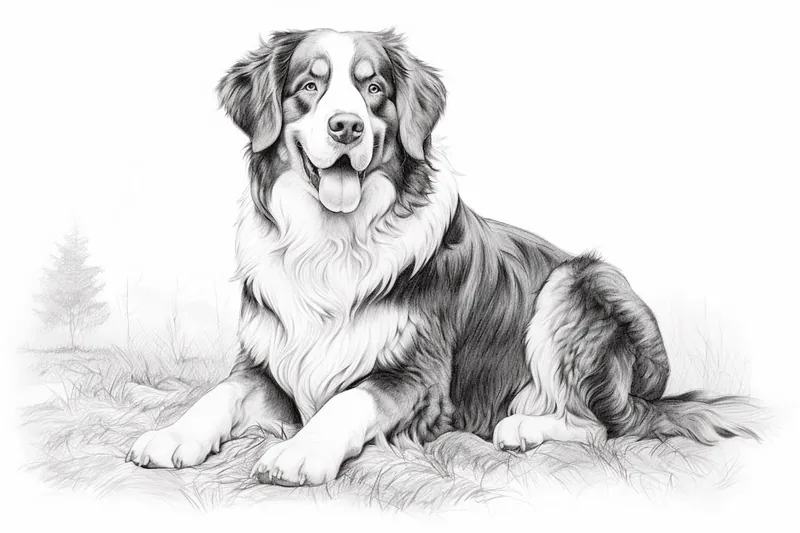
Materials You'll Need
- Pencil
- Paper
- Eraser
The Bernese Mountain Dog, with its striking tri-color coat, expressive eyes, and gentle demeanor, is a favorite among dog lovers and artists alike. Originally bred as a working dog in the Swiss Alps, this breed is known for its loyalty, strength, and affectionate nature. Their thick, wavy fur and distinctive markings make them a visually captivating subject, offering unique opportunities to practice rendering texture and contrast in your artwork. Learning how to draw a Bernese Mountain Dog allows you to capture not only their physical beauty but also the warmth and character that make these dogs so beloved.
Whether you are a beginner hoping to improve your drawing skills or an experienced artist seeking a new challenge, this tutorial on how to draw a Bernese Mountain Dog is designed to guide you through each step with clarity and encouragement. You will learn not only how to outline the dog's proportions and features, but also how to layer pencil strokes to achieve realistic fur and bring the dog's soulful expression to life. Drawing this breed helps you practice essential techniques such as shading, blending, and capturing dynamic poses, all while working at your own pace.
Don't worry if you're new to drawing animals—patience and practice are all you need to succeed. By following the steps in this guide, you'll develop valuable observation skills and gain confidence in your artistic abilities. Gather your drawing materials, settle into a comfortable workspace, and get ready to enjoy the rewarding process of bringing a Bernese Mountain Dog to life on paper. Let's get started on your artistic journey together!
Materials Required
Before we begin, make sure you have the following materials handy:
- Drawing paper or sketchbook
- Pencils (HB, 2B, 4B)
- Eraser
- Blending stump or cotton swabs
- Reference photo of a Bernese Mountain Dog (optional but recommended)
Now that you have everything you need, let's dive into the process of drawing a Bernese Mountain Dog.
Step 1: Outline the Basic Shapes
Start by lightly sketching the basic shapes that make up the Bernese Mountain Dog's body. Begin with a large oval shape for the body and add smaller circles for the head, legs, and tail. Keep the lines loose and don't worry about any details at this stage.
Step 2: Refine the Body Shape
Using the basic shapes as a guide, start refining the outline of the Bernese Mountain Dog. Pay attention to the proportions and try to capture the overall shape and stance of the dog. Outline the contours of the body, head, legs, and tail, making sure to add some curves to mimic the dog's natural pose.
Step 3: Add Facial Features
Now it's time to focus on the face. Start by drawing the eyes, which are almond-shaped and set apart. Add a small triangle-shaped nose and a smiling mouth with a lolling tongue. Study your reference photo closely to capture the unique features of a Bernese Mountain Dog's face.
Step 4: Sketch the Ears
Bernese Mountain Dogs have triangular-shaped ears that are set high on the head. Sketch the ears near the top of the head, making them slightly tilted forward. Pay attention to the fur texture as you add some light strokes to indicate the hair on the ears.
Step 5: Outline the Fur
The Bernese Mountain Dog has a thick and fluffy double coat. Using short, light strokes, start outlining the fur on the body. Follow the natural direction of the hair and use varying stroke lengths to create depth and texture. Take your time with this step, as the fur is an important element in capturing the dog's appearance.
Step 6: Detail the Face
Now it's time to add more details to the face. Define the eyes by adding pupils and eyelashes. Darken the nose and add some shading to create dimension. Use short strokes to indicate the fur around the face and ears, paying attention to the direction and texture.
Step 7: Work on the Body
Continue adding more details to the body. Refine the outline and add more fur texture using short strokes. Pay special attention to areas where the fur appears darker or lighter, such as the chest and legs. Use a blending stump or cotton swabs to blend the strokes and create a smoother transition between the fur layers.
Step 8: Define the Paws
The Bernese Mountain Dog has large and sturdy paws. Use short, curved lines to outline the paw pads and add some shading to indicate depth. Study your reference photo to ensure accuracy in capturing the shape and structure of the paws.
Step 9: Refine the Tail and Fur
Give attention to the tail by defining its shape and adding fur texture. Use short, curved strokes to create the appearance of fur strands. Refer to your reference photo to capture the unique tail pattern of a Bernese Mountain Dog.
Step 10: Finalize the Drawing
Tip: To enhance your drawing of a Bernese Mountain Dog, pay special attention to the eyes, as they are crucial for conveying the dog's gentle and expressive nature. Use subtle shading around the eyes to create depth and ensure that they sit slightly forward on the face for a more lifelike appearance. This detail, combined with a careful representation of the fur texture, will help bring your artwork to life and capture the warmth that makes this breed so beloved.
Take a step back and evaluate your drawing. Make any necessary adjustments and add any additional details you may have missed. Darken the lines where needed, especially around the eyes, nose, and mouth, to enhance the overall appearance of the drawing. Erase any remaining guidelines or unnecessary lines, and your Bernese Mountain Dog drawing is complete!
Mistake Alert: A common mistake when drawing a Bernese Mountain Dog is flattening the facial features and losing the gentle, soulful expression that makes this breed so endearing. This often happens because artists focus too much on the fur's texture and patterns, neglecting the underlying bone structure and the expressive eyes. To avoid this, lightly sketch the main shapes of the head, paying special attention to the placement and tilt of the eyes, eyebrows, and muzzle before you add any fur details. Remember, the eyes should sit slightly forward and have a soft, kind look—use gentle shading around them to suggest depth, and only then layer the fur markings on top to maintain the dog's warm character.
Conclusion
Drawing a Bernese Mountain Dog may seem challenging at first, but by breaking it down into simple steps, anyone can create a beautiful representation of this majestic breed. Remember to be patient and have fun as you develop your skills. With practice, your drawings will continue to improve. So grab your pencils and bring this lovable dog to life on paper! Happy drawing!
Fun Facts About Bernese Mountain Dog
- The Bernese Mountain Dog originated in the Swiss Alps and was traditionally used as a farm dog for tasks like pulling carts and herding cattle.
- This breed is known for its striking tri-color coat of black, white, and rust.
- Bernese Mountain Dogs are gentle giants, often weighing between 70 and 115 pounds.
- They are known for their affectionate and loyal temperament, making them excellent family companions.
- The average lifespan of a Bernese Mountain Dog is relatively short, typically 7 to 10 years.
- Bernese Mountain Dogs have a thick double coat that sheds year-round and requires regular grooming.
- This breed is highly intelligent and eager to please, which makes them relatively easy to train.
- Bernese Mountain Dogs are prone to certain health issues, including hip dysplasia and cancer.
Suggestions for Scenes and Settings for Bernese Mountain Dog Drawings
- A Bernese Mountain Dog joyfully bounding through a snowy alpine meadow, with distant mountains in the background.
- [A relaxed Bernese Mountain Dog lounging beside a rustic wooden cabin, surrounded by wildflowers](https://yonderoo.com/how-to-draw-a-wildflower/).
- A close-up portrait focusing on the dog's expressive eyes and tri-color fur, with a soft, blurred background.
- A playful scene of a Bernese Mountain Dog chasing butterflies or playing with a stick in a grassy field.
- A family-friendly moment with a Bernese Mountain Dog gently interacting with children or another pet.
- A hardworking Bernese Mountain Dog pulling a small cart or helping on a Swiss farm, showcasing its heritage.
- An autumn forest setting, with the dog sitting among fallen leaves in rich, warm colors.
- A tranquil lakeside scene, with the Bernese Mountain Dog gazing at its reflection in the water.
- An adventurous hiking scene, with the dog leading the way along a rocky mountain trail.
- A cozy indoor setting, with the Bernese Mountain Dog curled up by a fireplace or at the feet of its owner.