How to Draw a Beluga Whale
Learn how to draw a beluga whale step by step with this helpful tutorial. Capture the grace and beauty of this magnificent creature in your artwork.
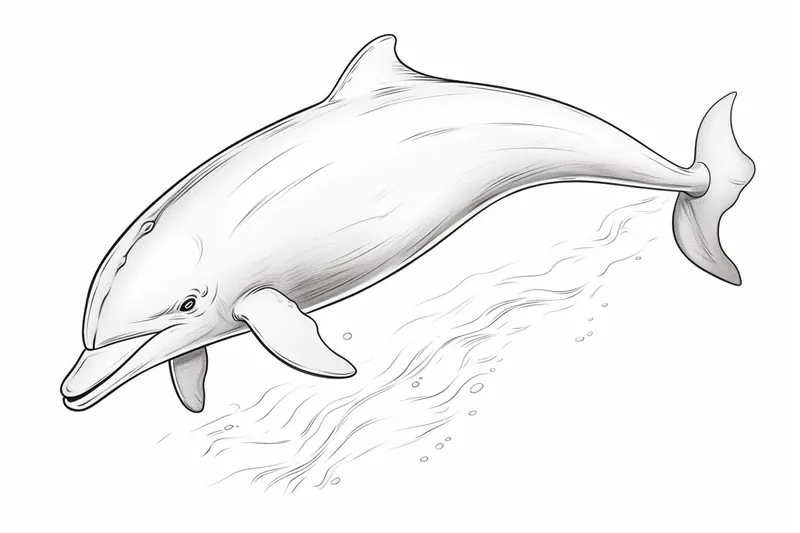
Materials You'll Need
- Pencil
- Paper
- Eraser
Beluga whales, often called the "canaries of the sea" due to their wide range of vocal sounds, are truly fascinating creatures that thrive in the cold Arctic and sub-Arctic waters. Their smooth, white bodies and bulbous foreheads make them instantly recognizable and incredibly charming. Drawing a beluga whale offers a wonderful opportunity to explore the beauty of marine life while practicing various artistic techniques such as shading, contouring, and capturing the subtle nuances of texture and form. Whether you're a beginner or an experienced artist, learning how to draw a beluga whale can deepen your appreciation for these gentle mammals and enhance your skills in rendering realistic animal portraits.This tutorial on how to draw a beluga whale will guide you through each step, from sketching the basic shapes to adding the final details that bring your artwork to life. The process involves observing the whale's unique anatomy, including its rounded head, smooth body, and expressive eyes, which are key to conveying its playful yet serene nature. Drawing these features requires attention to proportion and gentle shading techniques to depict the beluga's smooth skin and sense of volume. With patience and practice, you'll find this project both enjoyable and rewarding, helping you build confidence in your drawing abilities.By following this guide, you'll not only create a realistic portrayal of a beluga whale but also develop a deeper connection to this remarkable species. Remember, every artist starts with simple lines and shapes, gradually refining their work into a beautiful piece of art. So grab your pencils and paper, and let's embark on this creative journey together—your masterpiece awaits!
Materials Required
Before we dive into the drawing process, let's gather all the necessary materials:
- A pencil (HB or 2H is recommended)
- Eraser
- Drawing paper or sketchbook
- Fine-tip black marker or pen
- Colored pencils or markers (optional)
- Reference photo of a beluga whale (printed or on a digital device)
Having these materials ready will ensure a smooth drawing experience.
Step 1: Observe and Analyze
Studying the beluga whale's physical characteristics is crucial to accurately portray its unique features. Take a moment to closely observe a reference photo or video of a beluga whale. Pay attention to its body shape, head structure, and distinctive features such as the melon (forehead), flippers, and tail. Understanding these details will help you create a more realistic representation.
Step 2: Basic Shapes
Begin by lightly sketching the basic shapes that form the beluga whale's body. Start with a large oval shape for the main body, followed by a smaller oval shape for the head. Connect these two shapes with a curve for the neck. Don't worry about details at this stage, as we'll refine the drawing in later steps.
Step 3: Head and Facial Features
Now, let's focus on the head and facial features of the beluga whale. Using the initial oval shape as a guide, add more definition to the head by drawing a rounded snout and a curved line for the mouth. Add two small circles for the eyes on either side of the head. Don't forget to include the melon, which is a bulge on the forehead of the beluga whale.
Step 4: Body and Tail
Next, it's time to work on the body and tail of the beluga whale. Connect the head to the previously sketched oval shape, forming a smooth transition. Add a curved line to represent the back, and continue it downwards to create the tail. The tail should taper off to a point. Remember to keep the lines light and fluid, as we'll refine them later.
Step 5: Fins and Flippers
Beluga whales have two dorsal fins—the larger one near the middle of their back and a smaller one near the tail. Sketch these fins in proportion to the body, ensuring they are relatively symmetrical. Additionally, add the flippers on either side of the body using curved lines. These flippers are rounded and paddle-like in shape.
Step 6: Refine the Outline
Tip: As you draw your beluga whale, consider incorporating layers of shading to enhance the three-dimensionality of your artwork; use a soft pencil for gradual transitions in tone, and remember to identify your light source early on to maintain consistency in your shadows. Practicing this technique will not only bring depth to your drawing but also help you capture the smooth texture of the beluga's skin, making your final piece more lifelike.
Now that you have the basic structure of the beluga whale in place, it's time to refine the outline and add more details. With a darker pencil or a fine-tip black marker, carefully go over the main lines, making them more defined and prominent. Pay attention to the contours of the body, the curves of the fins, and the shape of the tail.
Step 7: Facial Details
Move back to the head of the beluga whale and add more detail to the facial features. Darken the eyes and add small reflections to make them appear more lifelike. Enhance the shape of the snout by adding details like small bumps or lines. Don't forget to emphasize the melon on the forehead by using gentle shading or delicate lines.
Step 8: Texture and Shading
To create a sense of depth and texture, we'll now add shading to the beluga whale. Determine the light source in your drawing, and imagine where the shadows would fall on the whale's body. Use hatching or cross-hatching techniques to add shading, paying attention to the contours and curves of the whale's form. This step is optional, but it can greatly enhance the realism of your drawing.
Step 9: Adding Details and Final Touches
At this stage, you can choose to add additional details to your beluga whale drawing. Consider adding small ridges along the body, subtle lines to define the flippers, or even some water splashes around the whale for added visual interest. Take your time to carefully refine any rough areas and add any final touches to make your drawing truly unique.
Conclusion
Congratulations! You've successfully learned how to draw a beluga whale step by step. By observing and analyzing the whale's features, sketching basic shapes, refining the outline, and adding details, you've created a beautiful representation of this awe-inspiring creature. Remember, practice makes perfect, so keep honing your artistic skills and continue exploring the wonders of the animal kingdom through your artwork.
Fun Facts About Beluga Whale
- Beluga whales are known as the "canaries of the sea" because of their wide range of vocal sounds.
- They have a distinctive bulbous forehead called a "melon" that helps with echolocation.
- Belugas are one of the few whale species that can turn their heads due to unfused cervical vertebrae.
- These whales are entirely white as adults, which helps them blend into their icy Arctic environment.
- Belugas are highly social animals and often travel in groups called pods.
- They can dive to depths of up to 800 meters (2,600 feet) in search of food.
- Beluga whales have no dorsal fin, which helps them swim easily under ice.
- Their diet mainly consists of fish, crustaceans, and worms found in Arctic waters.
- Belugas use echolocation to navigate and hunt in the dark, murky waters of the Arctic.
Suggestions for Scenes and Settings for Beluga Whale Drawings
- A playful beluga whale swimming among floating Arctic icebergs with the Northern Lights glowing in the sky above.
- A mother beluga gently guiding her calf through icy blue waters dotted with seaweed and small fish.
- A close-up portrait of a beluga whale blowing bubbles underwater, showcasing its smooth skin and expressive eyes.
- A group of belugas communicating with each other near the surface, with ripples reflecting the cold sunlight.
- A beluga whale breaching the water dramatically against a backdrop of snow-covered cliffs and glaciers.
- An underwater scene featuring a beluga exploring a colorful coral reef teeming with marine life in the sub-Arctic.
- A whimsical drawing of a beluga whale singing underwater surrounded by musical notes and vibrant aquatic plants.
- A serene moment capturing a beluga resting near an ice floe with seagulls flying overhead.
- A beluga whale interacting with a curious seal pup on the icy shoreline under a soft pastel sunset.
- A dynamic scene of a beluga pod swimming through swirling currents beneath a starry Arctic night sky.