How to Draw a Tiger Face Easy
Learn how to draw with this step-by-step tutorial.
Materials You'll Need
- Drawing paper
- Pencil (HB or 2B)
- Eraser
- Colored pencils
- Markers
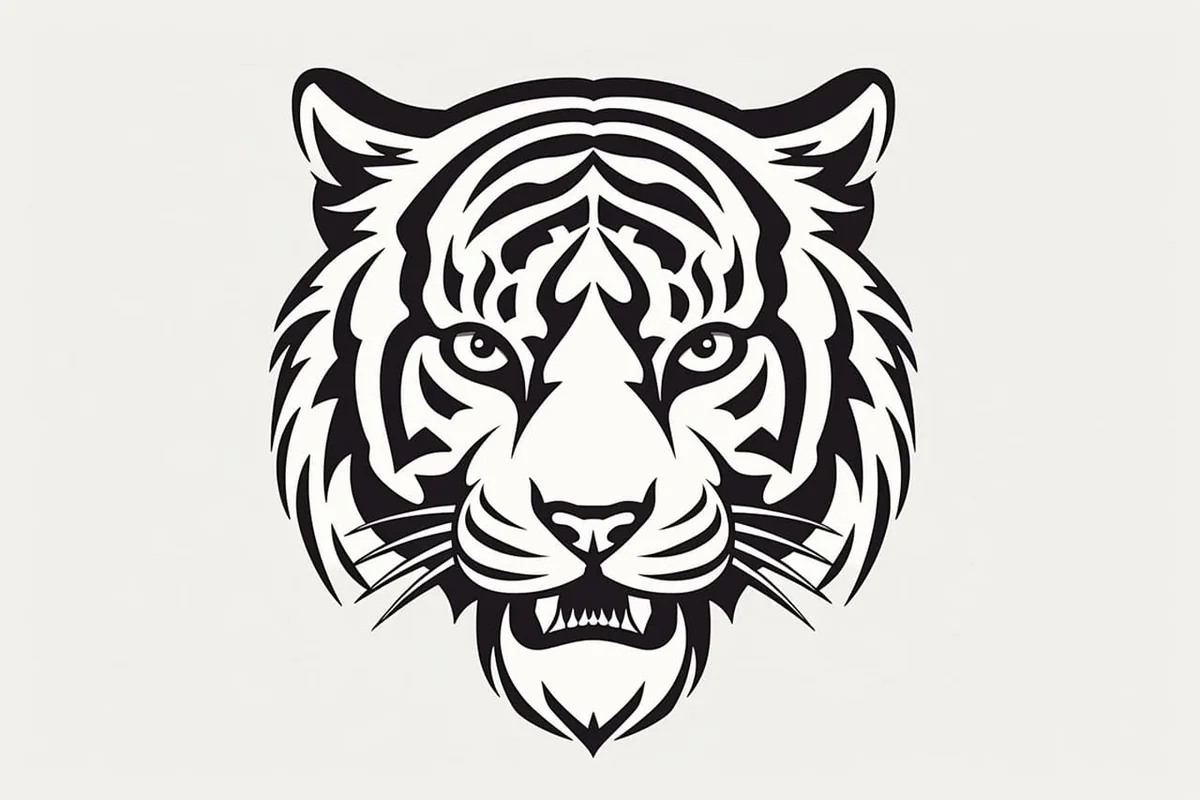
Tigers are among the most magnificent and recognizable animals in the world, known for their bold orange fur, striking black stripes, and piercing eyes. Drawing a tiger face allows you to explore the unique characteristics that make these big cats so captivating, from the patterns on their fur to the intensity of their gaze. Many artists are drawn to tigers not only for their beauty but also for the challenge of capturing their wild and powerful essence on paper. Learning how to draw a tiger face easy can be a rewarding way to develop your skills while creating a visually impressive piece of art.
This tutorial is designed for beginners and anyone who wants to improve their drawing abilities without feeling overwhelmed. By breaking down the tiger's face into simple shapes and straightforward steps, you'll find that achieving a realistic result is easier than you might expect.
You'll learn essential techniques such as sketching basic outlines, adding expressive features, and layering details to bring your tiger drawing to life. Whether you're working on a school project, enhancing your sketchbook, or just drawing for fun, mastering how to draw a tiger face easy will boost your confidence and help you tackle more complex subjects in the future.
So gather your drawing supplies and get ready to unleash your creativity! Remember, every artist starts somewhere, and with a little practice and patience, you'll be amazed at what you can achieve. Let's embark on this artistic journey together and create a stunning tiger face step by step!
Materials Required
Before we begin, make sure you have the following materials:
-
Paper: Any type of drawing paper will do. You can also use a sketchbook if you prefer.
-
Pencil: Use a regular graphite pencil with an HB or 2B lead for sketching.
-
Eraser: A good quality eraser will help you correct and modify your lines as you go.
-
Colored Pencils or Markers: These will be used to add color and shading to your drawing. Optional, but recommended for a more polished look.
Now that you have your materials ready, let's dive into the step-by-step process of drawing a tiger face.
Step 1: Basic Shape
Start by drawing a large oval shape towards the center of your paper. This will serve as the head of the tiger. Take your time to get the shape right, as it will be the foundation for the rest of the drawing.
Step 2: Eyes and Nose
Draw two small circles within the oval shape, slightly towards the top. These will be the eyes of the tiger. Add two smaller circles inside each eye for the pupils. Next, draw a triangular shape just below the eyes for the tiger's nose.
Step 3: Mouth and Whiskers
Sketch a horizontal line across the bottom of the nose triangle to create the mouth of the tiger. Add two curved lines on each side of the mouth to form the upper and lower lips. Above the mouth, draw several short lines on each side to represent the tiger's whiskers.
Step 4: Ears
On both sides of the head, draw two triangular shapes for the tiger's ears. Make them slightly larger than the eyes and position them diagonally.
Step 5: Facial Details
Now it's time to add some details to the tiger's face. Draw two small circles within each eye to create highlights. Shade the rest of the eyes, leaving the pupils white for a realistic look. Add some small lines around the nose to indicate texture. Also, add some curved lines above each eye to define the tiger's eyebrows.
Step 6: Fur
To give the tiger's face a fur-like texture, start by drawing short, curved lines along the outline of the head. These lines should radiate from the center of the head towards the outer edges. Take your time and add these lines gradually, making sure they flow naturally.
Step 7: Shading
To add depth and dimension to your drawing, it's time to incorporate some shading. Start by shading the areas around the eyes and under the nose. Use a light touch with your pencil and gradually build up the darkness. You can also add some shading to the ears and the fur using short, light strokes.
Step 8: Coloring
If you have colored pencils or markers, it's time to bring your tiger to life with some color. Tigers are known for their orange and black stripes, so start by coloring the main area of the face with a light orange shade. Use a darker orange or brown shade to add the stripes, following the shape of the fur lines. Leave some areas white for highlights.
Step 9: Final Touches
Take a step back and evaluate your drawing. Make any necessary adjustments to the proportions, details, or shading. Use your eraser to clean up any stray lines or smudges. If you want, you can also add a background or additional elements to your drawing to make it more complete.
Tip: To enhance the realism of your tiger face drawing, consider using reference images of real tigers while working through the steps. Observing the unique patterns of their stripes, the nuances in their fur texture, and the subtle variations in their expressions will help you capture the essence of these magnificent creatures more accurately. This practice can significantly improve the authenticity of your artwork and boost your confidence as you refine your drawing skills.
Congratulations! You've successfully drawn a tiger face easily. With practice, you'll be able to refine your skills and create even more detailed and realistic drawings. Keep experimenting with different techniques and styles to develop your own unique artistic voice.
Mistake Alert: One of the most common mistakes when drawing a tiger face is making the stripes too uniform or symmetrical, which can make your tiger look unnatural or cartoonish. This often happens because beginners try to evenly space the stripes or mirror them on both sides, thinking it will create balance. In reality, tiger stripes are unique, irregular, and vary in thickness and direction—no two sides are exactly alike!
To avoid this, use reference photos to observe how the stripes curve around the face and break up their pattern as you draw. Remember, a little asymmetry will add authenticity and make your tiger's face much more lifelike and dynamic.
Conclusion
In this tutorial, we've explored a step-by-step approach to drawing a tiger face easy. By following these instructions and using simple shapes and techniques, you can create a realistic tiger face drawing. Remember to be patient, take your time, and enjoy the process of creating art. Happy drawing!
Fun Facts About Tiger Faces
-
Tiger faces are instantly recognizable due to their unique stripe patterns, which are as individual as human fingerprints.
-
Drawing a tiger face easy helps beginners understand animal anatomy and symmetry.
-
Tigers have white spots on the back of their ears, called "ocelli," which you can include in your drawing for accuracy.
-
The intense gaze of a tiger is due to their large, round pupils, which help them see well at night.
-
Practicing a tiger face easy can improve your shading skills, especially when capturing the animal's fur texture.
-
Tiger faces are a popular subject in art and culture, symbolizing strength and courage.
-
Using simple shapes like ovals and triangles makes drawing a tiger face easy for all ages, a technique supported by Tate Kids.
-
Adding whiskers to your tiger face drawing is important, as tigers use them to sense their surroundings.
-
Coloring your tiger face with orange and black stripes reflects the real animal's camouflage abilities in the wild.
Suggestions for Scenes and Settings for Tiger Face Drawings
-
Draw a tiger face peeking through lush jungle leaves for a mysterious effect.
-
Create a cute cartoon-style tiger face with big, friendly eyes and a playful expression.
-
Show the tiger face surrounded by bamboo stalks to evoke its natural habitat.
-
Make a close-up tiger face with dramatic lighting, emphasizing its striking eyes.
-
Draw a tiger face wearing a crown or floral wreath for a fun, whimsical touch.
-
Try a tiger face in a snow setting, with white fur details and gentle snowflakes.
-
Combine a tiger face with bold, abstract patterns for a modern artistic look.
-
Depict a peaceful tiger face sleeping or yawning for a relaxed vibe.
-
Draw a pair of tiger cub faces together, highlighting their cuteness and playful nature.
-
Show a tiger face framed by moonlight or stars for a magical nighttime scene.