How to Draw a Superhero Body
Learn how to draw a superhero body step-by-step with this clear and concise tutorial. Master the art of capturing power and dynamism on paper.
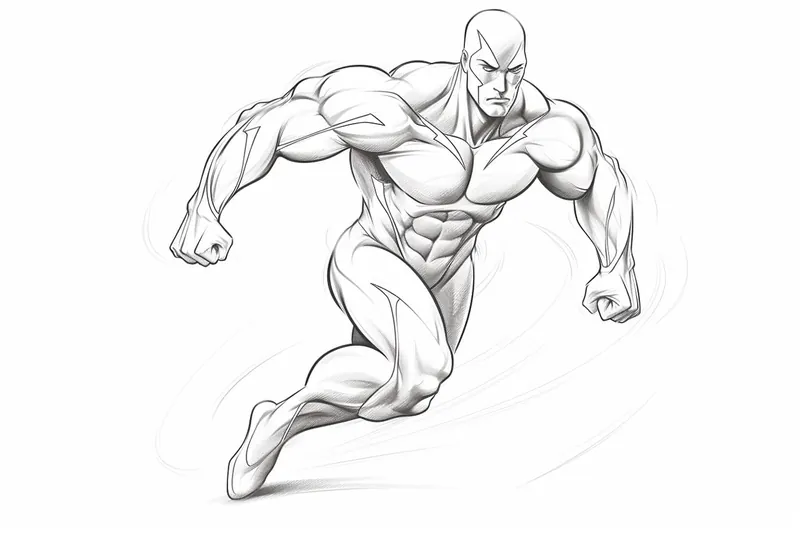
Materials You'll Need
- Pencil
- Paper
- Eraser
Superheroes have long captured our imaginations with their extraordinary powers, bold costumes, and larger-than-life personalities. Whether you're a fan of classic comic book icons or modern cinematic champions, the superhero body stands out for its dynamic poses, exaggerated muscles, and dramatic sense of motion. Learning how to draw a superhero body not only allows you to appreciate the artistry behind your favorite characters, but also helps you develop essential skills in anatomy and figure drawing that can enhance all areas of your art.
Many artists are drawn to superheroes because they embody strength, heroism, and adventure—qualities that are visually compelling and fun to illustrate. Drawing a superhero body gives you the opportunity to experiment with action poses, expressive gestures, and creative costume designs. Whether you want to design your own superhero or pay tribute to well-known legends, mastering how to draw a superhero body is a valuable step in your artistic journey. While it might seem challenging at first, this tutorial is designed to break the process down into clear, manageable steps suitable for both beginners and more experienced artists. You'll learn fundamental techniques such as sketching basic shapes, understanding human proportions, and adding muscle definition, all while building your confidence and personal style.
Don't worry if you're new to drawing or if you've struggled with anatomy in the past—every artist starts somewhere, and practice makes progress. By following along with these instructions on how to draw a superhero body, you'll soon find yourself creating powerful, dynamic characters of your own. Grab your pencils and paper, and let's get started on bringing your superhero visions to life!
Materials Required
Before we dive into the process, let's gather the necessary materials:
- Drawing paper
- Pencils (HB and 2B recommended)
- Eraser
- Ruler
- Fine-tip markers or pens (optional)
- Colored pencils or markers (optional)
With these materials at hand, you are ready to embark on your superhero drawing journey.
Step 1: Basic Skeleton
Begin by sketching a basic framework for your superhero body. Use light, loose lines to outline the head, neck, shoulders, torso, hips, and limbs. Pay attention to the positioning and proportions of each element. Remember, superheroes are often depicted with exaggerated musculature, so be bold in your initial sketches.
Step 2: Head and Facial Features
Now, focus on the head and facial features. Draw a circle for the head and add guidelines to indicate the placement of the eyes, nose, and mouth. Next, sketch the facial details, such as the eyes, eyebrows, nose, and mouth, to bring your superhero's character to life. Experiment with different expressions and angles to create a dynamic and captivating face.
Step 3: Torso and Muscles
Moving on to the torso, pay attention to the muscles and anatomy. Start by defining the chest and abdominal muscles, adding depth and contours to create a sense of strength. Extend the shoulders and define the upper arm muscles. Remember to keep referring to references or real-life anatomy to add authenticity to your drawing.
Step 4: Arms and Hands
Now, let's focus on the arms and hands. Extend the upper arm lines to create the lower arms, making sure to maintain the correct proportions. Add muscles and contours to the arms, emphasizing the biceps and triceps. For the hands, start with basic shapes for the palm and fingers before adding details such as knuckles, nails, and joints. Pay close attention to the positioning of the hands, as they can greatly enhance the overall dynamic of your superhero pose.
Step 5: Legs and Feet
Moving down to the legs and feet, extend the lines from the hips to create the thighs. Add muscles and contours to give a sense of power and strength. For the lower leg, sketch the calf muscles and define the shape of the shin and ankle. Lastly, outline the feet, paying attention to the placement of the toes and the arch of the foot. Remember to vary the pose of the legs to create a sense of movement and action.
Step 6: Costume and Details
Now that you have established the superhero's body, it's time to dress them in their iconic costume. Use bold, sweeping lines to outline the costume, emphasizing any unique features or accessories. Add details such as belts, logos, and patterns to enhance the visual impact of your drawing. Don't forget to add shadows and highlights to give depth and dimension to the costume and body.
Step 7: Inking and Finalizing
Once you are satisfied with your pencil sketch, go over the lines with ink or a fine-tip marker to create a bold and crisp outline. Clean up any unnecessary pencil marks with an eraser. After inking, you can choose to add colors using colored pencils or markers to bring your superhero to life. Experiment with various color schemes to create a visually striking composition.
Tip: To create a compelling superhero body, start by using a light pencil to sketch basic shapes that represent the torso, limbs, and head—think of ovals and cylinders to outline the proportions. Focus on dynamic poses that showcase action, such as a powerful stance or mid-leap, emphasizing the S-curve of the spine to convey movement. Once you have your basic forms, refine the shapes by layering in muscle definitions, paying attention to how muscles bulge and contract in different poses; use reference images to understand muscle groups better. Don't forget to consider the costume's flow and how it interacts with the body; this can enhance the sense of motion and character. Finally, use darker lines for the final outlines and add shading to give depth and dimension, making your superhero truly leap off the page!
Conclusion
Drawing a superhero body may seem challenging, but by breaking the process down into steps, anyone can achieve impressive results. From sketching the basic skeleton to adding intricate details, each component contributes to the overall portrayal of a powerful and dynamic character. With practice, observation, and a touch of imagination, you can bring your favorite superheroes to life on paper. So grab your pencils and embark on your heroic artistic journey.
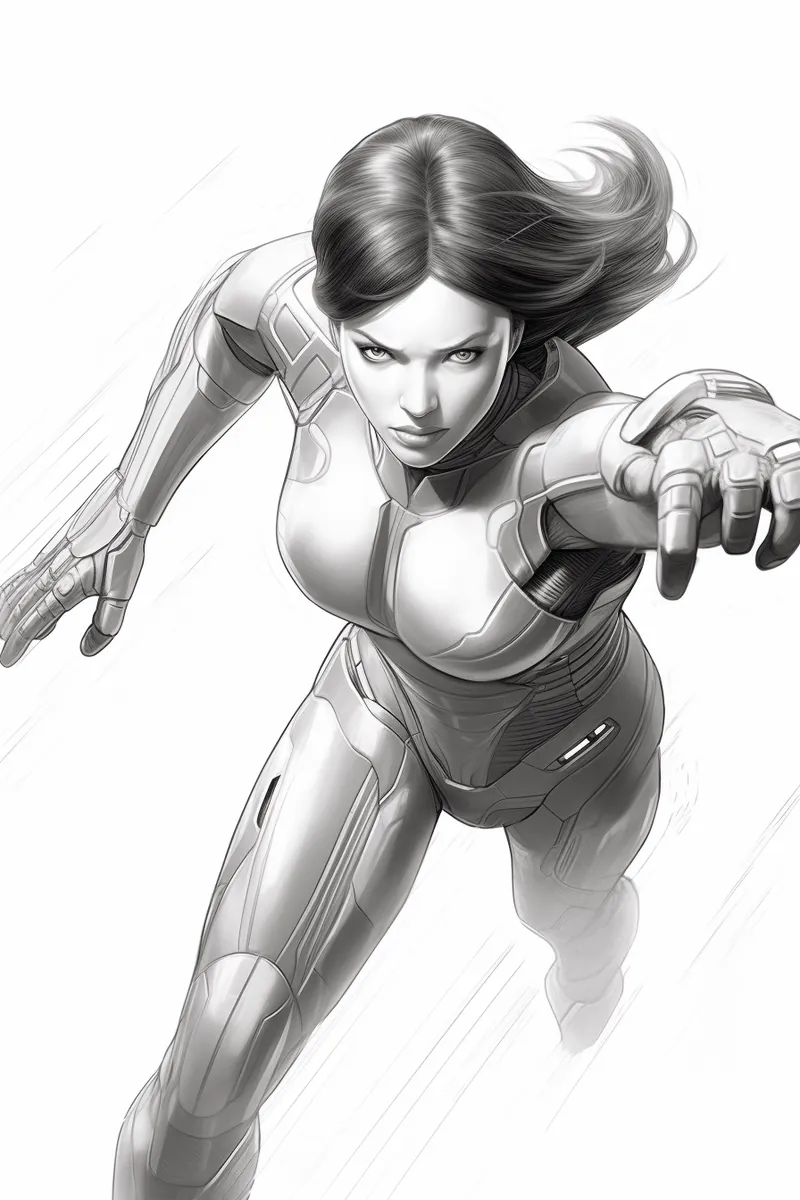
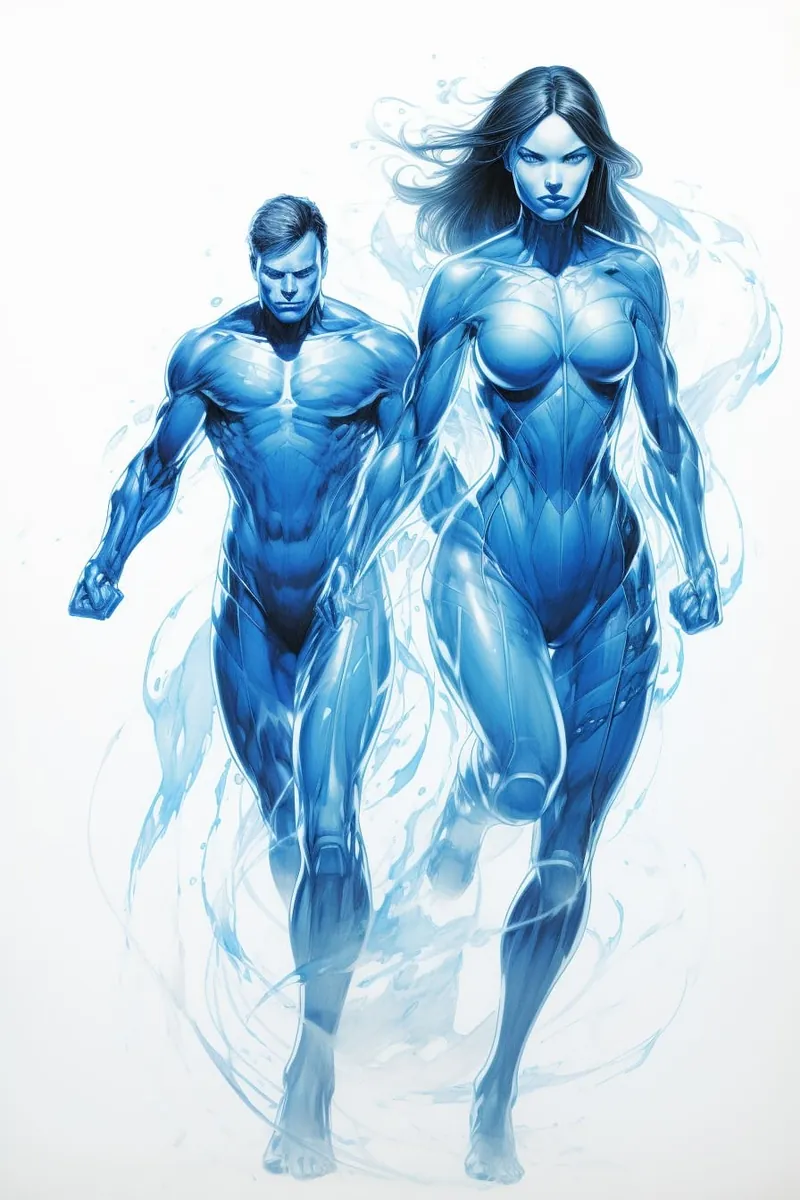
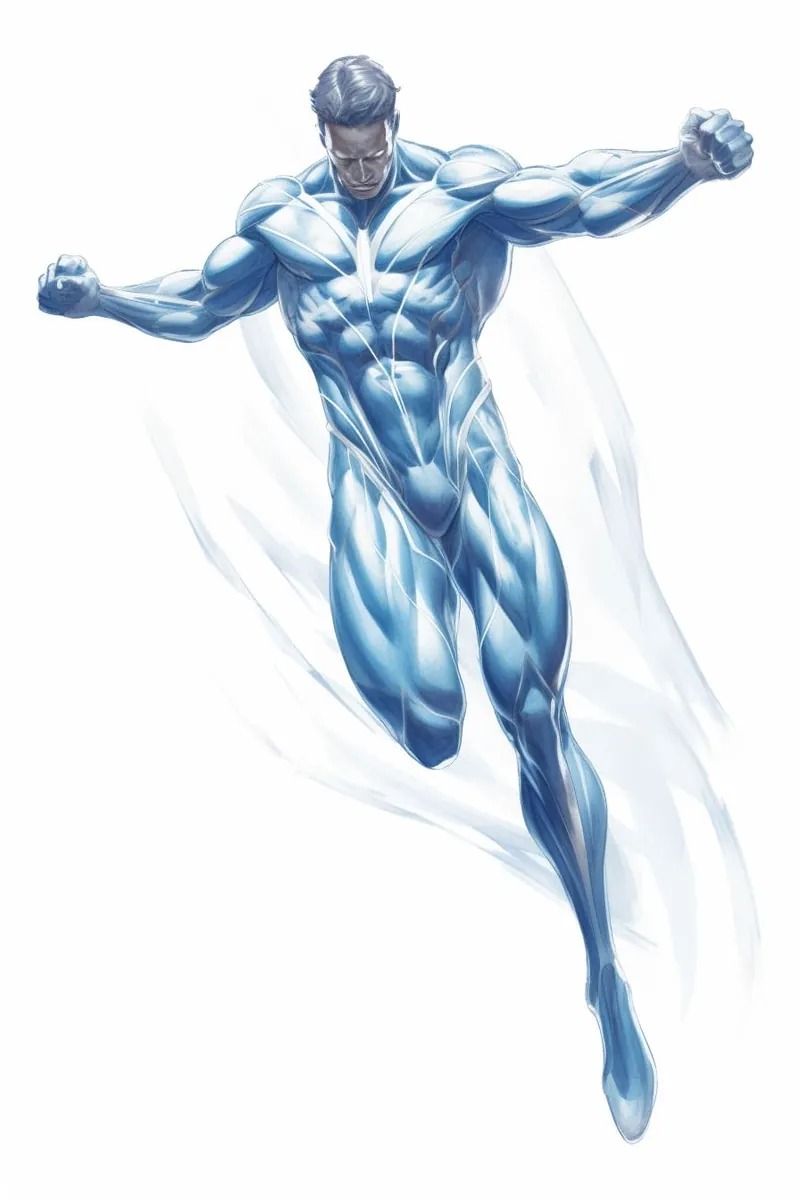
Gallery of Superhero Drawings
Fun Facts About Superhero Body
- The classic superhero body is often inspired by the idealized proportions of ancient Greek sculptures.
- Many comic book artists use the eight-heads-tall rule to create the exaggerated height and heroic look of superheroes.
- Superhero costumes are designed not just for style, but to emphasize muscle groups and dynamic movement, a principle rooted in costume design philosophy.
- The first superhero, Superman, set the standard for the muscular superhero physique when he debuted in 1938.
- Artists often exaggerate the V-shaped torso in superhero drawings to symbolize power and athleticism.
- Superhero body poses are frequently based on real-life athletes and bodybuilders.
- Female superheroes are often depicted with an hourglass figure, reflecting both comic tradition and cultural ideals.
- Dynamic action poses in superhero art are influenced by the principles of gesture drawing.
Suggestions for Scenes and Settings for Superhero Body Drawings
- Mid-air leap: Draw a superhero in a dramatic, airborne pose, soaring above a city skyline with buildings and clouds in the background.
- Power stance: Illustrate a hero standing tall on a rooftop, fists on hips, with a flowing cape and the sun setting behind them.
- Rescue in progress: Capture a dynamic scene of a superhero lifting a heavy object (like a car or rubble) to save civilians below.
- Charging forward: Show a superhero sprinting or dashing toward the viewer, muscles tensed and costume rippling in the wind.
- Battling a villain: Depict a tense, action-packed fight between your superhero and a formidable adversary, with dramatic lighting and movement.
- Underwater action: Create a scene of a superhero swimming or fighting beneath the waves, with aquatic details and flowing hair or costume elements.
- Surrounded by chaos: Illustrate a hero shielding others from falling debris during a disaster, displaying both strength and compassion.
- Transformation moment: Draw your character in the midst of transforming from their civilian identity to superhero form, incorporating costume changes and energy effects.
- Team assembly: Show your superhero standing among a group of other heroes, each with unique poses and body types, ready for action.
- Meditative preparation: Portray a rare quiet moment, with the superhero stretching or preparing for battle, emphasizing anatomy and calm focus.