How to Draw a Stick Figure Running
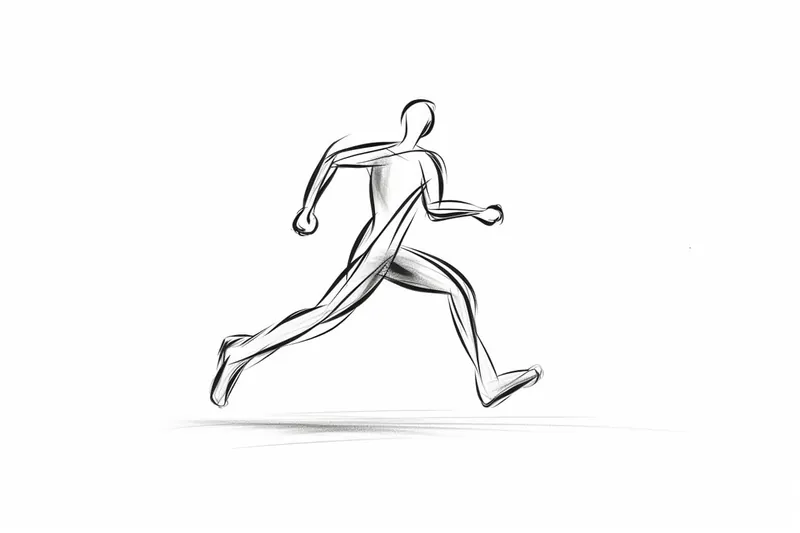
Learn how to draw a stick figure running with this step-by-step tutorial. Capture the motion and energy of a running figure in your drawings.
Materials You'll Need
- Pencil
- Paper
- Eraser
Stick figures are the foundation of many drawing exercises and a fantastic way to learn the basics of human anatomy and movement without getting bogged down in complex details. When you learn how to draw a stick figure running, you're not only creating a simple illustration, but you're also exploring how to convey energy and motion using just a few lines and circles. Stick figures can be used in storyboards, comics, animation planning, or simply as a playful way to express ideas quickly. The running pose adds a dynamic challenge, helping you practice proportion, balance, and the rhythm of the human stride.
People often want to draw stick figures running for a variety of reasons—from visualizing actions in a comic strip or classroom project to improving their skills in gesture drawing and movement. While stick figures might look easy at first glance, capturing the sense of speed and direction in a running pose requires a bit of observation and practice. This tutorial will guide you step-by-step through the process, making it approachable for beginners while still offering valuable insight for those looking to refine their technique. You'll learn how the position of the arms, legs, and head can suggest motion and how small changes can make your stick figure look like it's sprinting across the page.
Whether you're new to drawing or looking to sharpen your fundamental skills, mastering how to draw a stick figure running is a great exercise in observation and creativity. The techniques covered here focus on proportion, alignment, and movement—skills that are essential for all types of figure drawing. So grab your pencil and paper, don't worry about perfection, and let's have fun capturing the excitement and energy of a stick figure in action!
Materials Required
To create a stick figure running, you will need the following materials:
- A pencil
- Paper
- Eraser
Now that you have your materials ready, let's begin the process of drawing a stick figure running.
Step 1: Basic Body Proportions
Start by drawing a vertical line in the center of your paper. This line will serve as the backbone of your stick figure. Then, draw a horizontal line intersecting the vertical line near the top. This horizontal line will represent the shoulders of your figure.
Step 2: Head and Torso
Now, add a small circle at the top of the vertical line to create the head of your stick figure. The size of the head will depend on your personal preference. Just remember to keep it proportionate to the rest of the body.
Next, draw a rectangle shape below the head to represent the torso. This rectangle should be narrower at the top (where it connects to the head) and wider at the bottom.
Step 3: Arms and Hands
To draw the arms, start by extending two diagonal lines from the sides of the torso, near the shoulder line. These lines should slope downwards and outwards, creating a V-shape. Then, add two shorter horizontal lines at the end of each arm to represent the hands. You can create fists by drawing small circles or simply leave them as straight lines.
Step 4: Legs and Feet
Moving on to the legs, draw two diagonal lines extending downwards from the bottom of the torso. These lines should be slightly curved to give the impression of movement. At the end of each leg, draw two small lines to represent the feet. You can leave the feet as simple lines or add a slight curve to indicate the direction of the figure's movement.
Step 5: Refining the Details
Now that you have the basic structure of the stick figure running, you can start refining the details. Begin by rounding out the edges of the head to give it a more natural shape. Then, add facial features such as eyes, a nose, and a mouth if desired.
Next, add some curved lines to define the muscles and joints of the figure's body. These lines can help create a more dynamic and realistic appearance.
Step 6: Adding Motion Lines
To further enhance the sense of movement, you can add motion lines around the stick figure. These lines can be drawn in the direction the figure is running, radiating outwards from the limbs and torso. Motion lines can vary in length and thickness to give a sense of speed and energy.
Tip: To effectively depict a stick figure running, start by sketching a simple line for the spine to establish the main posture and direction of movement. Then, draw two circles at the top and bottom to represent the head and feet, ensuring the feet are slightly apart to suggest a dynamic stride. Pay close attention to the positioning of the limbs; the arms should mirror the legs for balance—if one leg is forward, the opposite arm should be extended forward as well. Use light, quick strokes to capture the energy of the motion, and don't hesitate to erase and adjust as needed to enhance the flow. Finally, consider adding motion lines behind the figure to emphasize speed, creating a sense of action and making your stick figure come alive!
Conclusion
Congratulations! You have successfully learned how to draw a stick figure running. By following these step-by-step instructions, you can create a dynamic and lively stick figure in motion. Remember, practice makes perfect, so keep experimenting with different poses and variations to further improve your drawing skills.
Whether you are a beginner or an experienced artist, drawing stick figures offers endless possibilities for creativity. So grab your pencil, let your imagination run wild, and have fun with your stick figure creations!
Fun Facts About Stick Figure Running
- Stick figures have been used to depict motion and storytelling since prehistoric times, as seen in ancient cave paintings like those at Lascaux.
- Animators often use stick figures in the early stages of storyboarding to quickly plan out movement and action sequences.
- Gesture drawing, which often starts with stick figures, is a foundational exercise in art schools to help artists capture dynamic poses and energy.
- Stick figure running poses are commonly used in ergonomics to study human movement and workplace safety.
- Simple stick figures can effectively communicate complex actions, making them popular in instructional diagrams and signage worldwide.
- Web animations featuring stick figure running, like those on Stickpage, have become a unique internet subculture.
- Learning to draw running stick figures helps artists understand the biomechanics of the human stride.
- Stick figures are used in scientific studies to illustrate running techniques and body mechanics.
- Even professional comic artists use stick figures as the first step in creating comics.
Suggestions for Scenes and Settings for Stick Figure Running Drawings
- A stick figure sprinting in a schoolyard relay race, passing a baton to a teammate.
- [Stick figures running through a rainstorm, dodging puddles with umbrellas](/how-to-draw-an-umbrella) flying behind them.
- A stick figure racing a dog down a park path, both full of energy and excitement.
- Stick figures running up a steep hill during a cross-country meet, with a cheering crowd in the background.
- A stick figure dashing away from a rolling boulder, Indiana Jones-style, in an adventurous escape scene.
- Stick figures participating in a fun run, some in superhero capes and others in silly costumes.
- [A stick figure athlete running the final stretch of a marathon, arms raised in triumph at the finish line](/how-to-draw-a-finish-line).
- Stick figures playing tag on a playground, with one reaching out to catch another mid-stride.
- [[A stick figure sprinting across a sandy beach, seagulls](/how-to-draw-a-seagull) flying overhead and waves](/how-to-draw-waves) crashing nearby.
- Stick figures racing against each other in a video game-inspired obstacle course, leaping over pixelated blocks and hazards.