How to Draw a Stadium
Learn how to draw a stadium from scratch using this step-by-step tutorial. Follow expert instructions and create your own realistic stadium illustration.
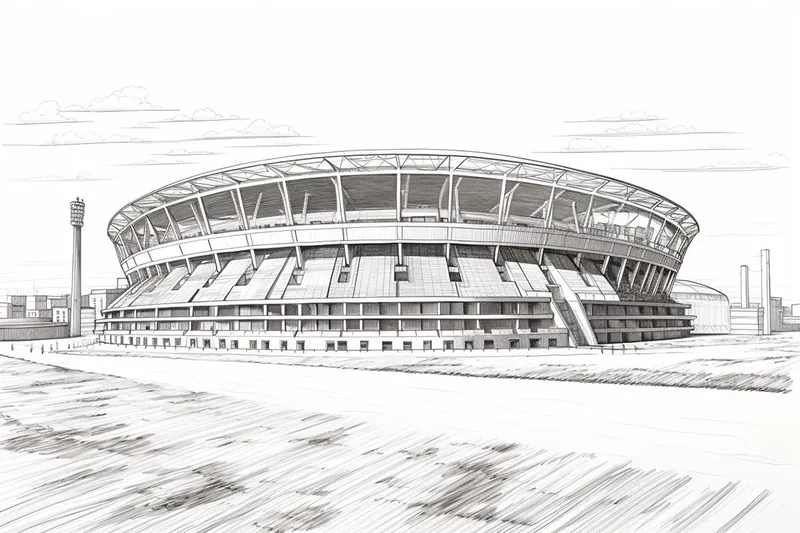
Materials You'll Need
- Pencil
- Paper
- Eraser
Stadiums are some of the most iconic and awe-inspiring structures in our cities, hosting everything from thrilling sports matches to unforgettable concerts. Their unique architectural features—towering stands, sweeping curves, and intricate seating arrangements—make them fascinating subjects for artists of all ages. Learning how to draw a stadium can help you capture the excitement and energy of these massive venues, whether you're commemorating a favorite team, imagining your own arena, or simply exploring the challenges of architectural drawing.
If you're interested in improving your perspective and structure-drawing skills, this tutorial on how to draw a stadium is a perfect place to start. Drawing a stadium involves a blend of basic shapes, vanishing points, and attention to detail, making it a rewarding project for both beginners and those with some drawing experience. You'll learn how to break down complex forms into manageable steps, add depth and dimension, and bring your illustration to life with shading and texture. Whether you want to create realistic sports illustrations, architectural sketches, or imaginative designs, mastering stadium drawing techniques will expand your artistic toolkit.
Don't worry if you've never tackled a large-scale structure before; with a bit of patience and the right guidance, you'll soon see your stadium take shape on the page. Remember, every artist starts somewhere, and each attempt is a valuable step on your creative journey. Grab your supplies, follow along, and enjoy the process as you learn how to draw a stadium—your own masterpiece awaits!
Materials Required
Before we dive into the drawing process, let's gather all the materials you'll need for this project. Here's a list of what you should have on hand:
- [Drawing paper or sketchbook](https://yonderoo.com/best-sketchbooks-for-artists/)
- Pencils of various grades (e.g., HB, 2B, 4B)
- Eraser
- Ruler
- Compass
- Fine-tipped pens or markers (optional)
- Colored pencils or markers (optional)
Once you have all the necessary materials ready, it's time to start drawing your stadium masterpiece!
Step 1: Sketch the Basic Shape
Begin by creating a rough sketch of the basic shape of the stadium. Use light, loose lines to establish the overall form, proportions, and perspective. You can start with a rectangular shape for the main structure and additional shapes for any unique features such as a distinct roof or scoreboards. Don't worry too much about getting the details perfect at this stage; the goal is to establish a solid foundation for your drawing.
Step 2: Add Detail to the Structure
Once you're satisfied with the basic shape, start adding more detail to the stadium structure. Use your ruler to draw straight lines and angles for the seating sections and any support beams. Pay attention to the perspective and make sure the lines and angles converge properly. Take your time to ensure the accuracy of the proportions and the overall shape of the stadium.
Step 3: Draw the Seating Sections
Next, focus on drawing the seating sections of the stadium. Start with light, horizontal lines to represent each row of seats. Use your ruler to keep the lines straight and evenly spaced. As you move towards the back, the rows may appear smaller and closer together due to the perspective. Add vertical lines to define the individual seats and use the ruler to maintain consistency.
Step 4: Add Details and Features
Now it's time to add more details and features to your stadium drawing. Pay close attention to the unique elements that make the stadium stand out, such as lighting fixtures, scoreboards, ramps, or even a distinctive roof design. Use your ruler, compass, and fine-tipped pens or markers to create precise lines and shapes. Take your time with this step, as these details will give your stadium drawing a realistic and polished look.
Step 5: Refine and Shade
Once you have all the major details in place, take a step back and assess your drawing. Use an eraser to clean up any stray lines or smudges. Now, it's time to add shading to give your stadium more depth and dimension. Identify the direction of the light source in your drawing and imagine where the shadows would fall. Use a combination of light and dark pencil strokes to create the illusion of texture and form. Experiment with different pencil grades to achieve the desired effect.
Step 6: Color Your Drawing (Optional)
If you want to take your stadium illustration to the next level, consider adding color to your drawing. You can use colored pencils or markers to bring your stadium to life. Research the colors of the actual stadium you're drawing or use your imagination to create a unique color scheme. Take your time and layer colors to achieve depth and realism. Remember to blend and shade with the same attention to detail as in the previous steps.
Tip: To effectively capture the grandeur of a stadium, start by establishing a strong perspective using a horizon line and vanishing points—these will help you accurately position the stands and field. Use light pencil strokes to sketch basic geometric shapes that represent the overall form of the stadium, focusing on the roof, seating areas, and field layout. Once you have the structure in place, gradually add details like staircases, railings, and audience sections, paying attention to how these elements recede into space. For shading, consider the light source and use a range of pencil pressures to create depth; darker tones can be applied to areas that are further from the light. Lastly, don't forget to incorporate texture—like the smoothness of the field or the roughness of concrete—to bring your stadium drawing to life!
Conclusion
Congratulations! You've successfully learned how to draw a stadium from scratch. By following these step-by-step instructions and using the right materials, you can create a detailed and realistic stadium illustration. Remember to start with a basic shape, add details gradually, and refine your drawing with shading and color if desired. With practice and patience, you'll be able to capture the grandeur of any stadium on paper.
So grab your pencils and sketchbook, and start creating your own stunning stadium masterpiece today!
Fun Facts About Stadium
- The world's largest stadium by capacity is the Rungrado 1st of May Stadium in North Korea, which can hold up to 114,000 spectators.
- The ancient Colosseum in Rome, considered the prototype for modern stadiums, could seat around 50,000 people and featured a retractable awning system.
- Some stadiums, like the AT&T Stadium in Texas, have retractable roofs to accommodate events in any weather.
- The first stadium to use electric lighting for a night game was the Olympic Stadium in Berlin in 1936.
- Wembley Stadium in London has the world's longest single-span roof structure, measuring 315 meters.
- Some stadiums are designed to be eco-friendly, like the Mercedes-Benz Stadium in Atlanta, which is LEED Platinum certified.
- The Maracanã Stadium in Brazil once hosted nearly 200,000 fans for the 1950 FIFA World Cup final.
- Stadiums are not just for sports—they often host a variety of events, including concerts and cultural activities.
Suggestions for Scenes and Settings for Stadium Drawings
- Draw a bustling stadium during a sold-out championship game, with cheering fans, banners, and vibrant team colors filling the stands.
- Illustrate a stadium at night, illuminated by powerful floodlights, with dramatic shadows and glowing scoreboards.
- Sketch an empty stadium in the early morning, focusing on the clean architectural lines, empty seats, and echoing silence.
- [Create an aerial view of a unique or futuristic stadium design, showing interesting roof structures and the surrounding park or amusement park](https://yonderoo.com/how-to-draw-an-amusement-park/) cityscape.
- Depict a stadium under construction, with scaffolding, cranes, and workers adding dynamic elements to the scene.
- [Draw a stadium set up for a concert, with a massive stage, lighting rigs, and a crowd gathered on the field, such as a soccer field or baseball](https://yonderoo.com/how-to-draw-a-baseball/) field.
- [Illustrate a youth sports event at a smaller stadium, capturing the excitement of families, young athletes, and community spirit on a soccer field or baseball](https://yonderoo.com/how-to-draw-a-baseball/) diamond.
- Imagine a fantasy or sci-fi stadium, with unusual architecture, floating seats, or otherworldly features.
- Show the stadium exterior during a rainy day, with umbrellas, reflections on wet pavement, and dramatic clouds above.
- Draw a historic or iconic stadium, focusing on architectural details that make it recognizable and unique.