How to Draw a Solar Eclipse
Learn how to draw a solar eclipse step-by-step with this clear and concise drawing tutorial. Capture the beauty of this celestial phenomenon in your own artwork.
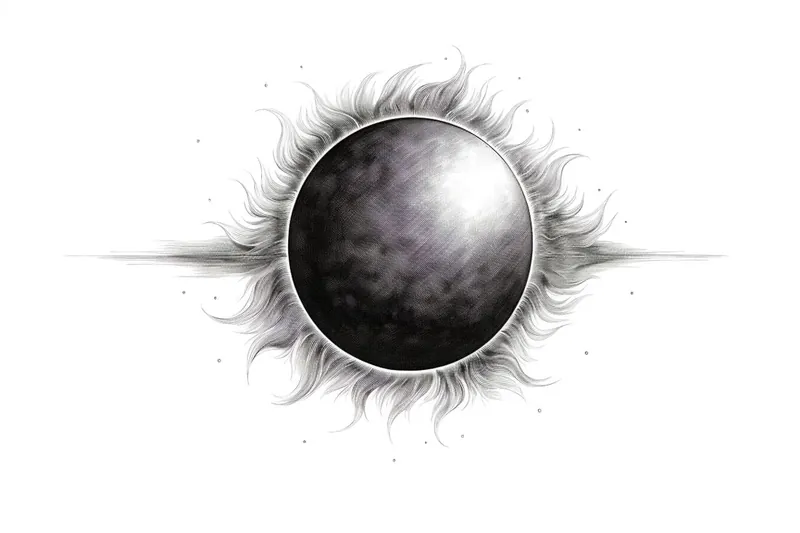
Materials You'll Need
- Pencil
- Paper
- Eraser
A solar eclipse is one of nature's most awe-inspiring astronomical phenomena, occurring when the moon moves directly between the sun and the Earth, casting a shadow that transforms day into an eerie twilight. This celestial event captivates people around the world, inspiring awe and curiosity about the cosmos. Learning how to draw a solar eclipse offers artists a unique opportunity to capture both the scientific wonder and the ethereal beauty of this moment, combining technical accuracy with creative expression. Whether you are fascinated by astronomy, enjoy nature-themed art, or want to challenge yourself with a dynamic subject, drawing a solar eclipse is a rewarding artistic endeavor.
This tutorial on how to draw a solar eclipse is designed to guide artists of all levels—from beginners to seasoned illustrators—through the process of creating a compelling and realistic depiction. The techniques involved include mastering gradients to illustrate the sun's corona, understanding light and shadow interplay, and accurately representing the moon's silhouette. By practicing these skills, you can enhance your ability to draw celestial objects and improve your overall shading and blending techniques. Whether you prefer pencil, charcoal, or digital media, this guide will equip you with the foundational steps and tips needed to bring a solar eclipse to life on paper.
Embracing the challenge of how to draw a solar eclipse not only develops your technical drawing skills but also connects you to the majesty of the universe through art. With patience and practice, you can create a stunning image that captures the rare and transient beauty of this cosmic event. So gather your materials, focus your attention, and get ready to embark on an artistic journey that celebrates one of nature's most spectacular displays. Remember, every great artist starts with a single stroke—your eclipse drawing awaits!
Materials Required:
To begin your solar eclipse drawing, gather the following materials:
- Drawing paper or sketchbook
- Pencils of various grades (HB, 2B, 4B, etc.)
- Eraser
- Blending tools (tortillon or blending stump)
- Black ink pen or fine liner
- Colored pencils or markers (optional)
Now that we have everything we need, let's dive into the step-by-step process of drawing a solar eclipse.
Step 1: Setting the Stage
Start by lightly sketching the basic outline of the sun and the moon in the center of your drawing paper. The sun should appear larger than the moon, as it is closer to us. Position the moon slightly to the right or left of the sun to create a visually pleasing composition.
Step 2: Shading the Sun
Using a softer pencil grade, such as 4B or 6B, gently shade the area surrounding the sun to create a darker background. Gradually build up the darkness, ensuring that the edges of the sun remain crisp and bright. Avoid shading over the moon at this stage.
Step 3: Adding Details to the Sun
Switch to a harder pencil grade, like HB or 2H, to draw the sun's surface details. Solar flares and prominences can be depicted as curved lines or loops extending from the sun's edges. Add a few of these details sparingly to create a dynamic and realistic representation of the sun's activity.
Step 4: Shading the Moon
Using a softer pencil grade, gently shade the surface of the moon. The moon's surface is not perfectly smooth, so try to create a textured appearance by sketching irregular shapes and shading them accordingly. Leave a small portion of the moon's surface unshaded to depict the sunlight hitting it.
Step 5: Highlighting the Moon
To give the moon a three-dimensional look, add highlights using an eraser. Lightly erase small areas of the shaded surface to reveal the bright reflection of the sun. This will create a contrast between the shaded and highlighted parts of the moon, making it appear more realistic.
Step 6: Creating the Eclipse Effect
Carefully shade the area where the moon overlaps the sun to create the eclipse effect. The shading should gradually fade from dark to light, transitioning from the moon's shadow to the brighter portions of the sun. Use a combination of hatching and cross-hatching techniques to achieve a smooth and gradual transition.
Step 7: Adding Final Details
To enhance the overall drawing, consider adding additional elements such as stars, planets, or even a silhouette of the Earth below the sun and the moon. These extra details will not only make the drawing more visually interesting but will also add depth and context to your representation of a solar eclipse.
Conclusion
Drawing a solar eclipse allows you to capture the mesmerizing beauty and astronomical wonder of this celestial event on paper. By following the step-by-step instructions provided in this guide, you can create a remarkable drawing that showcases the magic of a solar eclipse. Remember to use different pencil grades, shading techniques, and add your unique artistic touch to make your drawing truly captivating. So, grab your materials, find inspiration, and start creating your own depiction of this celestial phenomenon!
Fun Facts About Solar Eclipses
- A solar eclipse occurs when the Moon passes between the Earth and the Sun, blocking all or part of the Sun's light.
- The longest total solar eclipse of the 21st century lasted 6 minutes and 39 seconds.
- Solar eclipses can only happen during a new moon phase.
- The Sun's corona, visible during a total solar eclipse, is the outer atmosphere of the Sun and is millions of degrees hotter than its surface.
- Ancient civilizations often viewed solar eclipses as omens or messages from the gods.
- The path of totality, where a total solar eclipse is visible, is usually only about 100 to 160 kilometers wide.
- Solar eclipses happen approximately 2 to 5 times a year, but total eclipses at any given location are rare.
- Looking directly at a solar eclipse without proper eye protection can cause permanent eye damage.
Suggestions for Scenes and Settings for Solar Eclipse Drawings
- A lone observer standing on a mountain peak, silhouetted against the glowing corona of the eclipsed sun.
- A dense forest with sun rays piercing through the trees, dimmed by the shadow of the eclipse overhead.
- The solar eclipse viewed from a calm lake surface, reflecting the darkened sun and moon's silhouette.
- A bustling city skyline with people gazing upward, capturing the contrast between urban life and cosmic wonder.
- An ancient stone circle or temple aligned with the eclipse, evoking mystical and historical themes.
- The eclipse framed by flowering desert cacti under a twilight sky, highlighting nature's resilience.
- A futuristic space station orbiting Earth, observing the solar eclipse from a unique vantage point.
- A family camping under a starry sky, with the solar eclipse creating an eerie twilight atmosphere.
- A wildlife scene where animals pause and react to the sudden darkness caused by the eclipse.
- The eclipse viewed through a telescope, emphasizing scientific curiosity and exploration.