How to Draw a Shrub
Learn how to draw a shrub in this step-by-step tutorial. Enhance your artistic skills and create realistic nature drawings with these easy instructions.
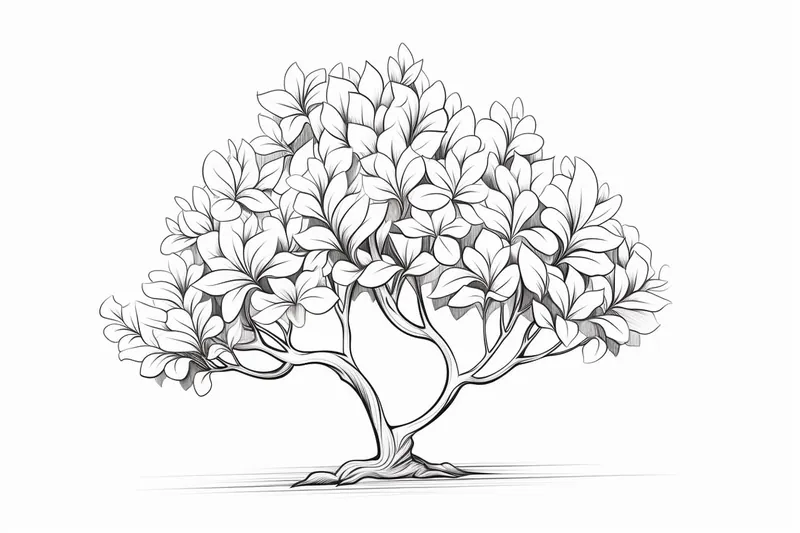
Materials You'll Need
- Pencil
- Paper
- Eraser
Welcome to this comprehensive tutorial on how to draw a shrub, an essential element in natural landscapes and botanical illustrations. Shrubs are versatile plants, ranging from small, flowering bushes to dense, leafy greenery, that add depth and life to any outdoor scene. Whether you're illustrating a garden, a forest, or a backyard, mastering the art of drawing a shrub can greatly enhance the realism and detail of your artwork. Understanding the structure, texture, and shading of shrubs will also help you develop a keen eye for natural forms and organic shapes.Drawing a shrub may seem simple at first glance, but it involves a variety of techniques such as layering, texturing, and capturing the play of light and shadow on foliage. This tutorial is designed for artists of all skill levels—from beginners who are just starting to explore nature drawing to experienced artists looking to refine their botanical drawing skills. By following our step-by-step instructions, you'll gain confidence in sketching the intricate details and dynamic shapes that make shrubs visually interesting and lifelike. Along the way, you'll learn how to use basic shapes to build complexity and how to use shading techniques to convey volume and depth.So, whether you're looking to improve your landscape compositions or simply want to add more greenery to your sketches, this guide on how to draw a shrub will provide you with the tools and inspiration needed to succeed. Grab your drawing materials, take your time, and enjoy the process of bringing this beautiful element of nature to life on your paper. With practice and patience, you'll soon be able to create lush, vibrant shrubs that enhance your artistic creations.
Materials Required
Before we dive into the steps, make sure you have the following materials:
- Paper: Choose a smooth, medium-weight paper that is suitable for drawing. A sketchbook or drawing pad will work well.
- Pencil: Use a graphite pencil with a medium hardness (HB or 2B) for sketching and outlining.
- Eraser: Have a good quality eraser handy for removing any unwanted lines.
- Drawing Pen: A fine-tip drawing pen or a fine-point felt-tip pen can be used for adding details later on.
- Colored Pencils or Markers (optional): If you wish to add color to your drawing, have a set of colored pencils or markers ready.
Now that you have all the necessary materials, let's move on to the step-by-step instructions for drawing a shrub.
Step 1: Sketch the Basic Shape
Start by lightly sketching the basic shape of the shrub using your pencil. Shrubbery can come in various forms, so choose the shape you want to draw. It could be round, oval, or irregular. Consider the general size and proportions as well. Keep your lines light and loose at this stage, as they will be refined later on.
Step 2: Add Branches and Twigs
Next, add branches and twigs to the basic shape of the shrub. Start from the main trunk or stem and extend branches outward in various directions. Keep in mind that shrubs often have multiple layers of branches, so add them as per your desired shape and density. Use light, curvy lines to give a natural look to the branches.
Step 3: Define the Form
Now, it's time to define the form of the shrub by adding volume and depth. Use your pencil to create a darker outline around the outer edges of the shrub, emphasizing its shape. Add shading to the areas where the branches overlap, creating the illusion of depth. Pay attention to the direction of light and shade to make the drawing more realistic.
Step 4: Create Texture
To give your shrub drawing a realistic appearance, it's important to create texture. Start by adding small, squiggly lines along the branches to represent the bark. Vary the length and direction of these lines to add interest and depth. Additionally, you can add some small leaves or foliage patches to the shrub using short, overlapping lines.
Step 5: Refine and Detail
Take a step back and evaluate your drawing so far. Use your eraser to remove any unnecessary guidelines or mistakes. Refine the overall shape of the shrub if needed, making sure it looks balanced and visually appealing. Now, pick up your drawing pen or a fine-tip pen and add finer details such as small branches, leaf veins, or any other intricate patterns you want to include.
Step 6: Color (optional)
If you want to add color to your shrub drawing, now is the time! Use colored pencils or markers to bring your shrub to life. Observe the colors of real shrubs or refer to reference images for inspiration. Layer different shades and tones to create depth and realism. Alternatively, you can leave your drawing in black and white for a classic and minimalist look.
Conclusion
Drawing a shrub can be a rewarding experience and an excellent way to improve your artistic skills. By following these step-by-step instructions, you can create a realistic and beautiful depiction of a shrub. Remember to enjoy the process and take your time to refine each step. With practice, you'll be able to capture the beauty of nature in your artwork. Happy drawing!
Fun Facts About Shrub
- Shrubs are woody plants that are smaller than trees and usually have multiple stems growing from the base, unlike trees which typically have a single trunk.
- Many shrubs are evergreen, meaning they keep their leaves year-round, providing constant greenery in gardens and landscapes.
- Shrubs play a vital role in ecosystems by providing shelter and food for various wildlife, including birds and insects.
- Some shrubs, like lavender and rosemary, are also valued for their aromatic properties and are widely used in cooking and herbal remedies.
- Shrubs can be deciduous or evergreen, with deciduous shrubs shedding their leaves seasonally to conserve water and energy.
- Many shrubs are used in landscaping for hedges, borders, and privacy screens due to their dense foliage and manageable size.
- The oldest known shrub fossils date back over 300 million years, showing their long evolutionary history.
- Shrubs can adapt to a wide range of climates, from arid deserts to tropical rainforests, making them highly versatile plants.
Suggestions for Scenes and Settings for Shrub Drawings
- A cozy backyard garden with flowering shrubs lining a stone pathway.
- A dense forest edge where wild shrubs intermingle with tall trees and underbrush.
- A windswept hillside with resilient, low-growing shrubs shaped by the breeze.
- A park bench surrounded by neatly trimmed ornamental shrubs in an urban green space.
- A natural wetland area featuring water-loving shrubs along a calm pond's edge.
- A rustic countryside fence bordered by wild berry shrubs bursting with fruit.
- A sunlit meadow dotted with colorful flowering shrubs among tall grasses.
- A mountain trail flanked by hardy alpine shrubs adapted to rocky terrain.
- An autumn scene with shrubs showcasing vibrant fall foliage in reds and golds.
- A close-up study focusing on the texture and pattern of leaves and twigs within a single shrub.