How to Draw a Shirt
Learn how to draw a shirt in this step-by-step tutorial. Add depth and realism to your artwork with these instructions from an expert artist and drawing instructor.
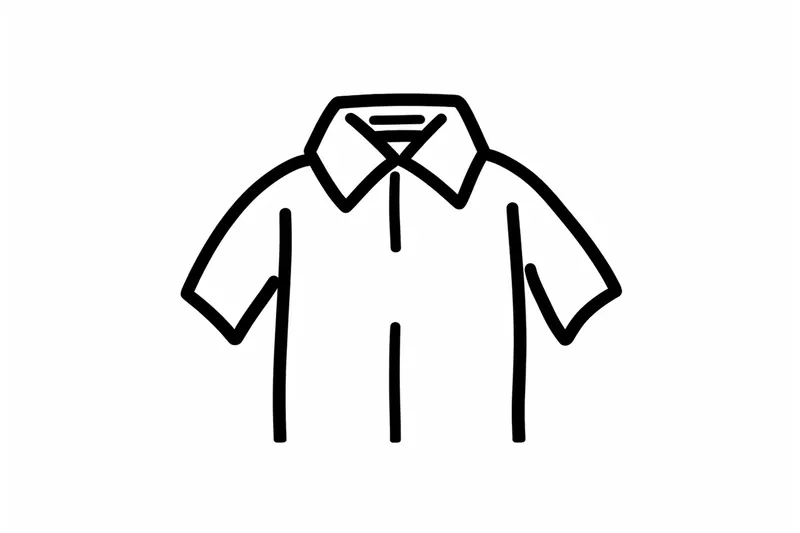
Materials You'll Need
- Pencil
- Paper
- Eraser
Clothing is an essential element in bringing characters and figures to life in your artwork. Among the many types of garments, shirts are one of the most commonly worn and recognized pieces, making them a fundamental subject to master for artists of all levels. Shirts come in a wide variety of styles, from casual t-shirts to formal dress shirts, each with unique features such as collars, sleeves, and buttons. Understanding how fabric drapes over the human body, how folds form, and how light interacts with these surfaces is crucial in achieving realism and adding personality to your drawings. Learning how to draw a shirt will not only enhance your ability to illustrate people but also open up possibilities for creating unique characters, designing fashion, or simply adding more depth and believability to your sketches and illustrations.
This tutorial is designed to guide you step-by-step through the process of drawing a shirt, whether you're just starting out or looking to refine your technique. You'll explore the basic structure of the shirt, learn how to map out proportions, and discover how to add realistic details like creases and shadows. Along the way, we'll discuss useful techniques such as observing reference images, using light pencil strokes for sketching, and layering your lines to depict different types of fabric. With patience and practice, you'll soon find that drawing shirts becomes an enjoyable and rewarding part of your artistic repertoire. So gather your drawing tools and get ready to follow along—remember, every great artist starts with a single line, and with this tutorial, you'll gain the confidence to draw shirts that truly stand out!
Materials Required
- Drawing paper
- Pencils (HB, 2B, 4B)
- Eraser
- Ruler
- Colored pencils or markers (optional)
Step 1: Sketch the Outline
Start by lightly sketching the basic shape of the shirt. Use a light pencil, like an HB, to ensure that the lines are easily erasable. Begin with a horizontal line for the shoulders and a vertical line for the center of the body. Then, add two curved lines on either side to create the shape of the shirt. Remember to leave space for the sleeves!
Step 2: Define the Neckline
Using your ruler, draw a curved line across the top of the shoulder line to create the neckline. The shape and depth of the neckline will depend on the style of the shirt you want to draw. Experiment with different curves and angles until you achieve the desired look.
Step 3: Add Sleeves
Draw two diagonal lines extending from the shoulder line towards the sides of the shirt to create the sleeves. The length and width of the sleeves can vary depending on the style you prefer. You can make them short, long, puffed, or tapered. Feel free to get creative!
Step 4: Detail the Collar
To add a collar to your shirt, draw two curved lines connecting the neckline to the outer edges of the shoulder line. The collar can be narrow or wide depending on your design choices. Take your time to ensure that the collar is symmetrical and suits the overall look of the shirt.
Step 5: Define the Body
Now it's time to add details to the body of the shirt. Use curved lines to outline the torso and waistline. Remember, clothing has folds and creases, so add subtle lines to indicate where the fabric would gather or wrinkle. This will bring realism to your drawing and make the shirt look more believable.
Step 6: Add Buttons and Pockets
If you want to include buttons or pockets on your shirt, now is the time to do so. Draw small circles for buttons along the center line of the shirt. If you want to add pockets, sketch rectangular shapes on the chest area. Make sure to position them symmetrically for a balanced look.
Step 7: Refine and Erase
Take a step back and evaluate your drawing so far. If any lines are too dark or uneven, use your eraser to lightly correct them. Pay attention to the proportions and overall balance of the shirt. Adjust any areas that seem out of place or disproportionate to the rest of the design.
Step 8: Add Texture and Shading
Tip: To enhance your shirt drawings, take time to study real-life examples or reference images, paying close attention to how fabric interacts with the body and how it drapes and folds. Observing different types of shirts in various poses can help you understand the nuances of texture and movement, allowing you to replicate those details more accurately in your illustrations.
To make your shirt drawing more realistic, apply shading and texture. Identify the areas where shadows would naturally fall, such as under the collar or around the folds of the fabric. Use a softer pencil, like a 4B, to create darker shades. Gradually build up the shading until you achieve the desired effect.
Step 9: Enhance with Color (Optional)
If you want to add color to your drawing, use colored pencils or markers to bring your shirt design to life. Consider the material and pattern of the shirt when choosing your colors. Experiment with different hues and shading techniques to create depth and dimension in your artwork.
Mistake Alert: One of the most common mistakes when drawing shirts is outlining the fabric too closely to the body, making it look unnaturally tight or as if it's glued on. This happens because beginners often focus solely on the figure's silhouette and forget that fabric has volume, hangs away from the body in places, and creates subtle gaps and folds. To avoid this, pay attention to how shirts drape over the shoulders and around the torso—notice areas where the fabric lifts off, like at the sleeves, waist, or chest. Use reference images and lightly sketch the general shape of the shirt before refining the details, making sure to include these natural curves and folds for a more believable look.
Conclusion
Drawing a shirt is a great way to practice your skills as an artist and add a touch of fashion to your artwork. By following these step-by-step instructions, you can create a realistic and stylish shirt design. Remember to take your time, pay attention to details, and enjoy the process of bringing your imagination to life on paper. So grab your pencils and let your creativity soar!
Fun Facts About Shirts
- The modern button-up shirt originated in the 19th century and became a staple of men's fashion worldwide.
- The word "shirt" comes from the Old English "scyrte," which is related to the word "skirt."
- The classic white dress shirt is considered a symbol of professionalism and was once a status symbol.
- T-shirts, a type of shirt, became popular as undergarments in the early 20th century and later as casual wear.
- Polo shirts were invented by tennis player René Lacoste in the 1920s to provide comfort and style on the court.
- Dress shirts are often categorized by their collar styles, such as point, spread, and button-down.
- Hawaiian shirts, also known as Aloha shirts, originated in Hawaii in the 1930s and are now a global symbol of leisure.
- The Guinness World Record for the most T-shirts worn at once is 260, set in 2019.
Suggestions for Scenes and Settings for Shirt Drawings
- A classic white dress shirt on a hanger, with light streaming through a window and casting dramatic shadows on the fabric.
- A character rolling up their sleeves in preparation for work, emphasizing the creases and bunching of the fabric around the elbows.
- A wrinkled t-shirt tossed casually over the back of a chair, displaying natural folds and the way fabric drapes over furniture.
- A vibrant patterned shirt worn by a figure at a summer festival, surrounded by colorful decorations and bright sunlight.
- An open flannel shirt layered over a graphic tee, with the wind blowing and creating dynamic movement in the fabric.
- A neatly folded stack of shirts in a clothing store, focusing on different textures and patterns within the pile.
- A formal button-up shirt with cufflinks and a tie, set against a dressing table with accessories for a sophisticated atmosphere.
- A vintage-style shirt with puffy sleeves and lace details, draped on a mannequin in an old-fashioned tailor shop.
- A sports jersey in action, stretched and wrinkled as the wearer moves energetically on a playing field.
- A pajama shirt with whimsical patterns, depicted in a cozy bedroom scene during a relaxed morning routine.