How to Draw a Shiba Inu
Learn how to draw a Shiba Inu with this step-by-step tutorial. Capture the charm and spirit of this beloved breed in your artwork.
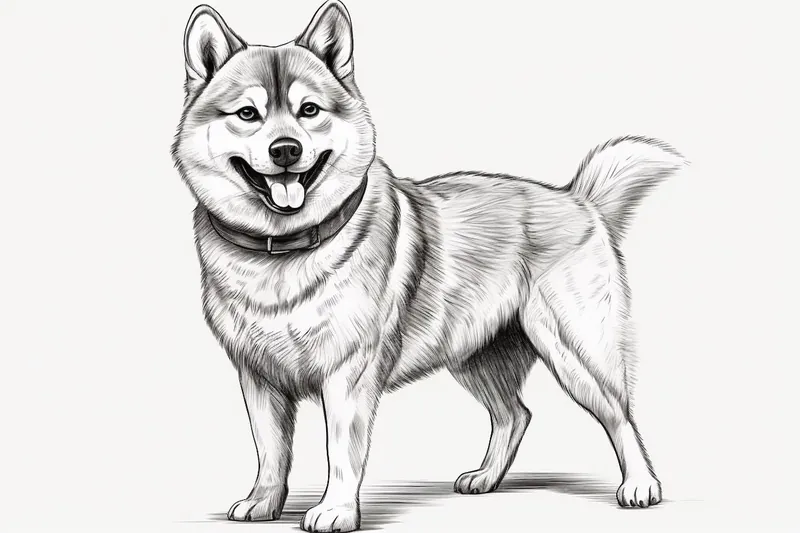
Materials You'll Need
- Pencil
- Paper
- Eraser
The Shiba Inu is one of Japan's oldest and most beloved dog breeds, instantly recognizable by its fox-like face, curly tail, and bright, expressive eyes. Known for their alertness, independence, and playful energy, Shiba Inus have become favorites among dog lovers worldwide—not just as loyal companions but also as adorable internet icons. Their unique combination of fluffy fur, compact build, and spirited personality makes them a fascinating and rewarding subject for artists of all skill levels. If you've admired this breed's distinctive look, learning how to draw a Shiba Inu is the perfect way to capture its endearing charm on paper.
People choose to draw Shiba Inus not only to celebrate their own pets but also to practice important artistic techniques such as capturing animal anatomy, fur texture, and expressive facial features. This breed's lively posture and fluffy coat present both fun challenges and opportunities to improve your drawing skills, whether you are just starting out or looking to refine your style. In this tutorial, I'll guide you step-by-step through how to draw a Shiba Inu, from sketching the basic shapes to adding the final details that bring your artwork to life. You'll learn how to outline the body, shape the face, and use shading techniques to create a realistic, joyful depiction of this captivating dog.
Don't worry if you're a beginner—this tutorial is designed to be accessible and encouraging, breaking the process into manageable steps so you can build your confidence as you go. All you need is some paper, a few pencils, and a willingness to have fun. By the end, you'll have a delightful drawing that truly captures the spirit of the Shiba Inu. So gather your materials, and let's embark on this creative journey together!
Materials Required
Before we dive into the drawing process, let's make sure you have all the materials you'll need:
- Pencils: I recommend using a range of pencils with different lead hardness, such as HB, 2B, and 4B.
- Paper: Choose smooth, sturdy paper that can handle pencil shading. A sketchbook or drawing pad will work perfectly.
- Eraser: A kneaded eraser is ideal for easily correcting mistakes and lightening pencil marks.
- Pencil Sharpener: Keep your pencils sharp for precise lines and details.
- Reference Image: Find a clear photo of a Shiba Inu that you can use as a visual reference. This will help you accurately capture the unique characteristics of the breed.
Now that your materials are ready, let's draw a Shiba Inu!
Step 1: Basic Guidelines
Start by lightly sketching the basic structure of the Shiba Inu. Begin with a circle for the head and add a rounded triangle shape beneath it for the body. Connect these shapes with gentle curves to create the neck. Remember to keep your lines loose and light at this stage, as you will refine them later.
Step 2: Facial Features
Next, let's focus on the facial features of the Shiba Inu. Draw two oval shapes for the eyes, leaving a small space between them. Add a dot inside each eye to represent the pupils. Above the eyes, draw small triangular shapes for the ears, pointing slightly outward.
Between the eyes, create a small triangular shape for the nose and add a curved line beneath it for the mouth. Shiba Inus are known for their expressive faces, so pay attention to the placement of these features to capture their characteristic expression.
Step 3: Refine the Head
Now that we have the basic facial features in place, it's time to refine the shape of the head. Add fur details around the ears, giving them a furry texture. Create a gentle curve for the top of the head and add short strokes to suggest fur. Use your reference image to guide you in capturing the unique shape and contours of a Shiba Inu's head.
Step 4: Body and Legs
Tip: To enhance your drawing of a Shiba Inu, consider practicing with varied pencil strokes to capture the unique texture of their fur. Use short, curved strokes for the body and softer, more delicate lines around the face to convey the breed's expressive features. Additionally, don't hesitate to frequently reference your source image as you work, ensuring that you accurately depict the gentle curves and proportions that characterize this adorable breed, which will ultimately bring more life and authenticity to your artwork.
Moving on to the body, use long, curved lines to define the back and sides of the Shiba Inu. Make sure to maintain a graceful shape and pay attention to the proportions. Add short, vertical lines to indicate the legs, making them slightly thicker towards the body and tapering towards the paws.
Step 5: Tail and Paws
Shiba Inus have distinctive curled tails, so let's draw that next. Start by lightly sketching a curved line from the base of the body, then gradually make it thicker and add some fur details to depict the tail's texture. For the paws, draw small ovals at the ends of the legs, adding a hint of fur texture around them.
Step 6: Refine Details and Fur
Now that you have the main body structure, it's time to add more details and capture the texture of the Shiba Inu's fur. Use short, curved strokes to outline the shape of the face, paying attention to the areas around the eyes and mouth. Add short strokes all over the body to suggest fur, making them more concentrated in some areas to create a sense of depth and volume.
Step 7: Shadows and Shading
To make your drawing more realistic and three-dimensional, adding shadows and shading is important. Analyze your reference image to identify areas of light and shadow. Use your pencils with different lead hardness to create different tonal values. Start with light shading and gradually build darker tones to add depth and dimension to your drawing. Pay attention to the direction of the fur and blend your pencil strokes accordingly.
Step 8: Final Touches
Congratulations, you're almost done! Take a step back and evaluate your drawing. Make any necessary adjustments and refine any areas that require more attention. Use your eraser to lift stray marks or lighten spots that need highlighting. Take your time with these final touches to ensure you're happy with the overall result.
Mistake Alert: One common pitfall when drawing Shiba Inus is giving them overly sharp or wolf-like facial features, especially the muzzle and eyes. This usually happens because artists focus too much on their fox-like reputation and overlook the breed's true proportions—Shiba Inus actually have relatively short, rounded muzzles and soft, expressive eyes that are more almond-shaped than pointed. To avoid this, use lots of reference photos and pay close attention to the gentle curves of the snout and the placement of the eyes, which tend to sit slightly higher and farther apart than you might expect. Sketch these features lightly at first, and adjust as you check your drawing against your references—capturing these subtle shapes will instantly make your Shiba Inu look more friendly and true to life!
Conclusion
Drawing a Shiba Inu can be a fun and rewarding experience. Following these step-by-step instructions and using a reference image can create a beautiful and lifelike depiction of this beloved breed. Remember to be patient with yourself and enjoy the process. With practice, you'll continue to improve your artistic skills and capture the essence of the Shiba Inu in your drawings.
So, grab your pencil and start sketching your Shiba Inu masterpiece today!
Fun Facts About Shiba Inu
- The Shiba Inu is the smallest of Japan's native dog breeds.
- Shiba Inus are famous for their Shiba scream, a high-pitched vocalization when they are excited or unhappy.
- The breed's name Shiba Inu translates to "brushwood dog" in Japanese.
- Shiba Inus are known for their cat-like grooming habits, often cleaning themselves like felines.
- They have a distinctive curled tail, which is a hallmark of the breed.
- Shiba Inus are one of the oldest and most genetically distinct dog breeds.
- The breed nearly went extinct during World War II but was revived through careful breeding by the National Shiba Club of America.
- Shiba Inus are highly intelligent but can be stubborn, making training a unique challenge.
- They became internet sensations thanks to the Doge meme, which features a Shiba Inu with humorous captions.
Suggestions for Scenes and Settings for Shiba Inu Drawings
- A playful Shiba Inu chasing falling cherry blossom petals in a Japanese garden.
- A Shiba Inu sitting proudly atop a mountain trail, overlooking a scenic landscape.
- A mischievous Shiba Inu peeking out from under a futon in a cozy tatami room.
- A group of Shiba Inus playing together at a lively dog park.
- A Shiba Inu wearing a festive bandana at a traditional Japanese festival.
- A Shiba Inu curiously observing koi fish by the edge of a tranquil pond.
- A Shiba Inu posing heroically in front of a torii gate at sunrise.
- A sleepy Shiba Inu curled up on a soft cushion near a sunlit window.
- A Shiba Inu splashing through shallow water at the beach, chasing after a ball.
- A Shiba Inu dressed in a raincoat, hopping through puddles on a rainy city street.