How to Draw a Schipperke
Learn how to draw a Schipperke with this step-by-step drawing tutorial. Capture the unique features of this adorable dog breed with expert tips and techniques.
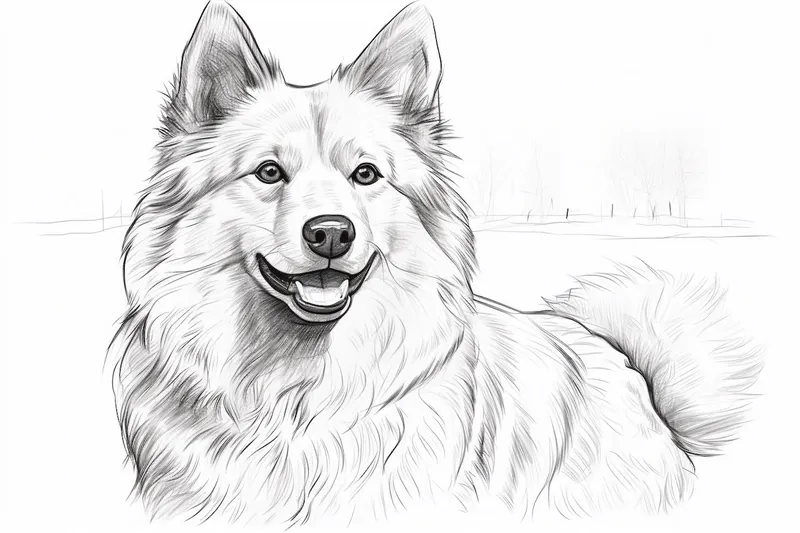
Materials You'll Need
- Pencil
- Paper
- Eraser
The Schipperke is a small, lively dog breed known for its fox-like face, pointed ears, and thick, luxurious black coat. Originally bred in Belgium as a watchdog and companion, Schipperkes are renowned for their intelligence, alertness, and boundless energy. Their unique appearance—compact body, expressive eyes, and distinctive mane of fur around the neck—makes them a fascinating subject for artists of all levels. Capturing the spirit and charm of a Schipperke on paper is both a rewarding and enjoyable challenge, whether you are a dog lover, pet owner, or simply looking to expand your drawing skills.
Learning how to draw a Schipperke can help you practice essential techniques such as sketching animal anatomy, rendering fur texture, and creating depth with shading. This tutorial is designed for beginners and intermediate artists alike, breaking down the process into easy-to-follow steps. You will learn how to observe reference images, map out proportions, and build up details gradually for a realistic result. Even if you are new to drawing dogs, this guide will offer helpful tips and encouragement along the way, ensuring you gain confidence and improve your skills with each step.
So, whether you want to create a portrait of your own furry friend or simply enjoy drawing animals, mastering how to draw a Schipperke is a wonderful way to express your creativity. Gather your materials, bring your enthusiasm, and get ready to embark on a fun and educational artistic journey. Remember, every artist improves with practice, so don't be afraid to experiment and make this drawing your own!
Materials Required
Before we begin, let's gather the materials you will need for this drawing:
- Drawing paper or sketchbook
- Pencils (HB, 2B, and 4B recommended)
- Eraser
- Blending stump or tortillon
- Reference photo of a Schipperke
Now that you have your materials ready, let's dive into the step-by-step process of drawing a Schipperke.
Step 1: Basic Shapes
Start by lightly sketching the basic shapes that make up the Schipperke's body. Begin with an oval shape for the head and add a smaller oval below it for the body. Connect these shapes with a curved line to indicate the neck.
Step 2: Facial Features
Now, let's focus on the facial features of the Schipperke. Within the head shape, draw two circles for the eyes. Leave some space between them. Then, add a small triangular shape below the eyes for the dog's nose. Next, draw two small curves above the eyes to represent the eyebrows. Finally, add two small, curved lines on either side of the head for the ears.
Step 3: Refine the Face
Refine the facial features by adding more details. Sketch the pupils within the eye circles, leaving a small highlight to create a sense of life in the eyes. Add some fur around the eyes and eyebrows using short, curved strokes. Shade the nose by adding some darker tones to it. Draw the mouth and tongue using gentle curves.
Step 4: Body and Limbs
Moving on to the body, sketch the outline of the Schipperke's fluffy fur using soft, curved lines. Pay attention to the contours of the body and ensure they flow smoothly. Add the front and back legs using simple cylindrical shapes, tapering them slightly towards the paws.
Step 5: Fur Texture
Begin adding the texture of the Schipperke's fur. Start with short, curved strokes close to the body, gradually making them longer and more flowing towards the edges of the fur. Use a combination of different pencil grades to achieve a realistic texture. Remember to blend the strokes with a blending stump or tortillon to create a smooth transition between the fur and the body.
Step 6: Facial Details
Refine the facial details by adding more depth and texture. Add fur and shading around the eyes to make them appear rounder and more expressive. Darken the eyebrows slightly and add more definition to the mouth and tongue. Pay close attention to the reference photo and observe any unique markings or patterns on the Schipperke's face.
Step 7: Legs and Paws
With the overall body and face complete, focus on the details of the legs and paws. Add the toes on the paws by drawing small, curved lines. Sketch the fur on the legs using the same technique as before, paying attention to the direction of the fur and the flow of the lines. Shade the areas under the paws to create depth.
Step 8: Finishing Touches
Take a step back and assess your drawing. Make any necessary adjustments to ensure accuracy and balance. Erase any stray lines or smudges, and add any final details that may be missing. Darken certain areas to create depth and contrast, such as the eyes, nose, and mouth.
Tip: When drawing a Schipperke's luxurious black fur, try layering your pencil strokes in the direction of hair growth, using a combination of short, quick lines for the dense mane around the neck and slightly longer strokes for the smoother areas on the back and legs. Start with a light hand to build up the basic texture, then gradually darken the fur by applying more pressure or switching to a softer graphite pencil (like 4B or 6B) for deeper shadows. Pay special attention to areas where the light hits the fur—leaving some highlights untouched will help suggest that glossy, velvety coat. To capture the breed's characteristic alert expression, use a fine-tip pencil or mechanical pencil for the eyes and nose, making sure to add subtle reflections for extra life and realism.
Conclusion
Congratulations! You have successfully drawn a Schipperke. By following this step-by-step guide, you have learned how to capture the unique features of this adorable dog breed. Remember, practice is key, so keep honing your skills and exploring different techniques. Enjoy the process of creating art and have fun bringing other subjects to life on paper.
I hope you found this guide helpful in your drawing journey. Now, go ahead and share your masterpiece with others! Happy drawing!
Fun Facts About Schipperke
- The Schipperke originated in Belgium and was first bred as a watchdog for barges and boats on the canals of Brussels.
- Known as "little captain" or "little skipper," the breed's name reflects its historic role on ships.
- Schipperkes are famous for their thick, fox-like black coats and distinctive ruff of fur around the neck.
- This breed is highly intelligent and excels at learning tricks and commands.
- Schipperkes are naturally tailless or have very short tails, a unique trait.
- Despite their small size, Schipperkes are known for their boundless energy and need for regular exercise.
- They are excellent watchdogs, always alert and quick to sound the alarm if something seems amiss.
- Schipperkes have a long lifespan, often living 13 to 15 years or more.
- The breed is sometimes called the "Tasmanian black devil" due to its mischievous and spirited personality.
Suggestions for Scenes and Settings for Schipperke Drawings
- A Schipperke perched proudly on a canal boat, nodding to their origins as barge watchdogs in Belgium.
- A playful Schipperke bounding through a pile of autumn leaves, capturing their energetic spirit.
- A close-up portrait highlighting the luxurious mane of fur around the neck and their expressive, alert eyes.
- A Schipperke sitting attentively on a cobblestone street in a quaint European village.
- [A Schipperke in mid-chase after a butterfly or squirrel in a sunny park](https://yonderoo.com/how-to-draw-a-park/), showing off their agility.
- A group of Schipperkes interacting playfully, emphasizing their social and lively nature.
- A Schipperke curled up on a cozy armchair by a fireplace, exuding warmth and companionship.
- A fantasy scene with a Schipperke as a tiny guardian of a magical garden, standing alert among oversized flowers.
- A Schipperke silhouetted against a moonlit night, highlighting their distinctive profile and pointed ears.
- A Schipperke wearing a jaunty scarf or hat, adding a whimsical or seasonal touch to the portrait.