How to Draw a Record
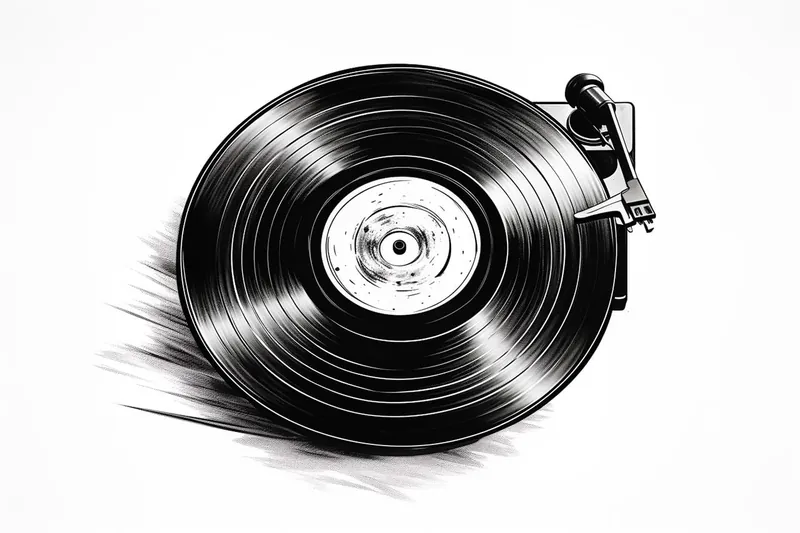
Learn how to draw a record with this step-by-step tutorial. Create your own personalized illustration of a vinyl record and showcase your artistic skills.
Materials You'll Need
- Pencil
- Paper
- Eraser
Records, with their sleek circular shape and iconic grooves, are symbols of music history and vintage charm. Once the primary medium for listening to music, vinyl records have made a comeback among collectors and music enthusiasts, prized for both their nostalgic value and their visually striking design. Learning how to draw a record is not only a celebration of music culture, but also a wonderful way to practice key drawing skills such as creating perfect circles, capturing subtle textures, and adding highlights and shadows for a realistic effect. The simplicity of a record's form also allows for creative customization, making it a favorite subject for both beginners and experienced artists alike.
People might want to draw a record for a variety of reasons—perhaps to illustrate a music-themed poster, to personalize a journal page, or simply as a tribute to their favorite albums and artists. Drawing a record combines basic geometric techniques with opportunities to explore detail and shading. This tutorial is designed for artists of all skill levels, breaking down the process into manageable steps. Whether you're just starting out or looking to refine your drawing abilities, you'll discover that learning how to draw a record helps build confidence in your artistic foundation, especially when it comes to drawing circles, ellipses, and repetitive patterns.
Don't worry if you've never drawn a record before—this guide will walk you through each stage, from sketching the initial shape to adding the final touches that make your illustration pop. With a little patience and practice, you'll not only master the art of drawing this timeless object, but also develop skills that can be applied to many other artistic projects. Grab your materials, get comfortable, and let's dive into the fun and rewarding process of bringing a classic record to life on your page!
Materials Required
Before we begin, make sure you have the following materials handy:
- [Drawing paper or sketchbook](https://yonderoo.com/best-sketchbooks-for-artists/)
- Pencil
- Eraser
- Fine liner or pen
- Ruler
- Compass
- Protractor
- Colored pencils or markers (optional)
- Reference image of a record (optional)
Now that you have your materials ready, let's dive into the step-by-step process of drawing a record.
Step 1: Draw the Main Circle
Start by drawing a large circle in the center of your paper. You can use a compass to achieve a perfect circle, or you can freehand it if you prefer a more organic look. The size of the circle will depend on your preference, but try to make it relatively large to capture the details in the following steps.
Step 2: Add the Inner Circle
Inside the main circle, draw a smaller circle. This inner circle will represent the label of the record. Use your compass or a smaller circular object to help you create a neat and symmetrical shape. Make sure the inner circle is positioned in the center of the main circle.
Step 3: Divide the Inner Circle
To give the record a more authentic look, divide the inner circle into equal sections. You can use a protractor to measure and mark the angles, or you can estimate them by eye. Aim for at least six sections, but you can add more if you want a more detailed design.
Step 4: Draw the Grooves
Now it's time to add the grooves to your record. Start by drawing a small curve from the outer edge of the inner circle to the outer edge of the main circle. Repeat this process, spacing the grooves evenly around the record. The number of grooves will depend on the number of sections you created in the previous step.
Step 5: Add Details to the Label
Next, let's focus on the label of the record. Draw a smaller circle inside the inner circle to represent the center hole of the record. Add a ring around the center hole, giving it a textured appearance to resemble the record's label. You can achieve this texture by drawing small dots or short lines.
Step 6: Draw the Record Sleeve
To complete the drawing, let's add a record sleeve. Start by drawing a rectangle beneath the record, extending it slightly beyond the edges of the record. Then, add another rectangle on top of the first one, leaving a small gap in between. This will create the illusion of the record sleeve.
Step 7: Refine and Ink
Now that you have the basic structure of the record, take a step back and assess your drawing. Make any necessary adjustments to ensure everything looks balanced and proportionate. Once you're satisfied with the sketch, use a fine liner or pen to ink over the lines, making them bold and defined. Let the ink dry completely before erasing any unnecessary pencil lines.
Step 8: Add Color (Optional)
If you want to add some color to your drawing, now is the time to do so. Use colored pencils or markers to bring your record to life. You can choose traditional vinyl record colors like black or experiment with vibrant tones. Fill in the label, grooves, and record sleeve with your chosen colors, and don't forget to add shading for more depth and dimension.
Tip: When drawing a record, use a compass or trace around a circular object (like a cup or lid) to achieve a perfectly round outline—this is key for capturing that iconic, crisp look. For the grooves, lightly sketch closely spaced, concentric circles using a sharp pencil or a fine liner; varying the pressure and spacing in a few areas can make the grooves appear more natural and less mechanical. To give your record a realistic, glossy feel, gently blend a soft graphite pencil or use a blending stump to create subtle shadows along the edge and near the label, leaving a few bright highlights to suggest reflections of light. Don't forget to personalize the label in the center—adding text, color, or small illustrations makes your drawing unique and adds an extra pop of character!
Conclusion
Congratulations! You have successfully learned how to draw a record. I hope you enjoyed this step-by-step guide and found it helpful in creating your own record illustration. Now you can showcase your artistic skills or even create custom album covers. Remember, practice makes perfect, so don't hesitate to try drawing more records in different styles and perspectives. Have fun and let your creativity spin!
Fun Facts About Record
- The first commercial vinyl record was introduced in 1948 by Columbia Records.
- Vinyl records are made from polyvinyl chloride, which is why they are often called "vinyls".
- The largest-selling vinyl album of all time is Michael Jackson's Thriller.
- Records are played at different speeds, most commonly 33 1/3, 45, or 78 revolutions per minute (RPM).
- The grooves on a record are actually a continuous spiral, not separate tracks.
- Vinyl records can last for decades if stored properly.
- The world's largest record collection contains over 3 million records, owned by Zero Freitas in Brazil.
- Colored and picture discs are collectible variants of standard black records.
- Record Store Day, an annual event celebrating vinyl culture, began in 2008.
Suggestions for Scenes and Settings for Record Drawings
- A close-up view of a spinning record on a vintage turntable, with the stylus gently touching the grooves and musical notes floating up from the surface.
- A stylized record collection on a shelf, with colorful album covers peeking out from their sleeves and a pair of retro headphones nearby.
- An abstract scene where the circular grooves of a record morph into swirling patterns or waves, representing the flow of music and sound.
- A cozy room setting with a record player, a cup of coffee, and sunlight streaming onto the spinning vinyl, creating dramatic highlights and shadows.
- A hand placing or lifting a record from its sleeve, capturing the tactile moment and the texture of both the record and the packaging.
- A surreal landscape where records float in the sky like planets, each with unique label designs, set against a starry backdrop.
- A portrait of a favorite musician or band, with their iconic album featured on the label of a prominently displayed record.
- A detailed exploded view of a record player, showing the record, needle, arm, and internal components in a technical illustration style.
- A scene from a record store, with stacks of vinyls, posters on the walls, and people browsing through albums.
- A whimsical design where the grooves of the record transform into a winding road or river, with tiny characters traveling along the path.