How to Draw a Pregnant Woman
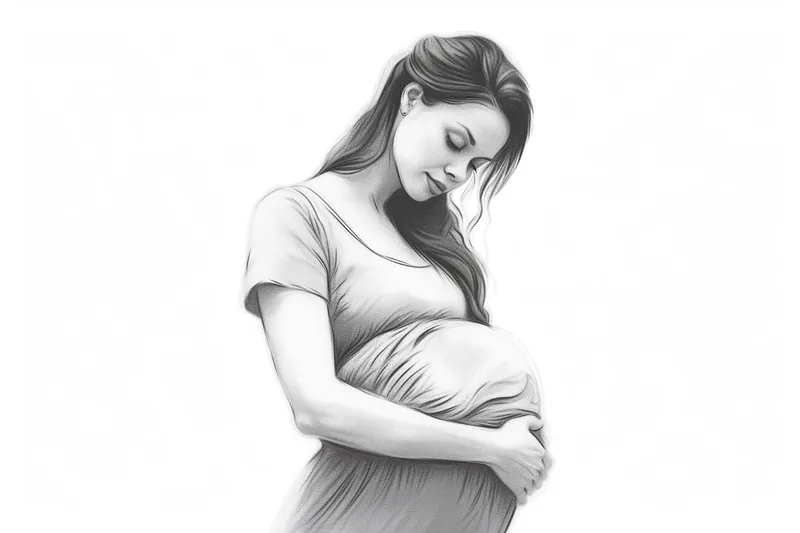
Learn how to draw a pregnant woman with this step-by-step tutorial. Capture the beauty and curves of pregnancy in your artwork with these expert tips.
Materials You'll Need
- Pencil
- Paper
- Eraser
Pregnancy is a time of transformation, beauty, and anticipation, and artists have long been inspired to capture its unique essence. The distinct curves and gentle posture of a pregnant woman embody both strength and tenderness, making this subject a compelling choice for figure drawing. Learning how to draw a pregnant woman allows you to explore anatomy, gesture, and emotion in a single artwork. Whether you want to create a heartfelt gift, add depth to your portfolio, or simply celebrate the miracle of life, drawing this subject offers endless opportunities for artistic growth.
Understanding how to draw a pregnant woman involves more than just sketching an altered silhouette; it requires careful observation of subtle details, such as the gentle roundness of the belly, the relaxed posture, and the emotional nuances that define this special stage. This tutorial is designed for artists of all levels—from beginners eager to practice figure proportions to more advanced creators looking to refine their technique and storytelling. Along the way, you'll use foundational skills like gesture drawing, basic anatomy, and shading, while also learning how to capture the nurturing spirit that makes this subject so meaningful.
No matter where you are on your artistic journey, drawing a pregnant woman is a rewarding challenge that can help you improve your observation skills and deepen your understanding of the human form. With patience and practice, you'll be able to create a sensitive and expressive drawing that truly honors this remarkable stage of life. Let's get started and discover together just how inspiring and fulfilling this process can be!
Materials Required
Before getting started, gather the following materials:
- Drawing paper
- Pencil (preferably a softer lead like a 2B or 4B)
- Eraser
- Ruler
- Reference photo or model
Having these materials on hand will ensure a smooth drawing experience.
Step 1: Basic Structure
Begin by lightly sketching the basic structure of the pregnant woman's body. Start with an oval shape for the head, followed by a slightly elongated oval for the torso. Draw a line down the center of the torso to help establish the midline. Add two lines that intersect the midline to indicate the position of the shoulders and hips.
Step 2: Upper Body
Now, refine the shape of the upper body by adding gentle curves to represent the breasts and belly. Keep in mind that during pregnancy, the breasts often increase in size and roundness. Use light, flowing lines to capture the natural curvature.
Step 3: Arms and Hands
Next, add the arms. Start by drawing the shoulder joints at the upper end of the torso. Extend lines from the shoulders to indicate the length of the arms. At the ends of these lines, sketch simple shapes to represent the hands. Remember to take into account the slight swelling that can occur in a pregnant woman's hands.
Step 4: Lower Body
Tip: As you work on your drawing of a pregnant woman, consider incorporating dynamic poses that convey emotion and nurture, such as placing her hands on her belly or capturing a moment of connection with a partner. This not only enhances the storytelling aspect of your artwork but also helps you practice depicting movement and gesture, adding depth to your final piece.
Moving down to the lower body, continue to refine the shape of the belly. Pregnant women often experience a visible curvature in the lower back, so be sure to capture that gentle arch. Use the intersecting lines from Step 1 as a guide for positioning the hips. Add gentle curves to represent the thighs and legs, remembering that the legs may appear slightly wider due to pregnancy weight gain.
Step 5: Facial Features
Now that the body structure is complete, focus on adding facial features to bring your drawing to life. Start with the eyes, using simple shapes like ovals or almond shapes. Add eyebrows and gently curve the upper eyelids to give the eyes a soft, relaxed look. Sketch a small, slightly curved line for the nose and a simple smile for the mouth. Finally, add some flowing lines to represent the hair, taking into account that pregnant women's hair often appears fuller and more vibrant.
Step 6: Clothing and Details
To complete your drawing, add clothing and other details to enhance the pregnancy theme. Dress your pregnant woman in loose-fitting clothing, perhaps with a draped or belted style that accentuates the belly. You can also add accessories like earrings or a necklace to add personality and flair. Pay attention to the little details, such as wrinkles in the fabric or subtle shading, to give your drawing depth and realism.
Conclusion
Drawing a pregnant woman can be a rewarding experience that allows you to capture the beauty and joy of pregnancy. By following these step-by-step instructions and paying close attention to the details, you can create a stunning artwork that celebrates the miracle of life. Remember to take your time, practice, and most importantly, have fun with your drawing.
So grab your materials, find a comfortable space, and let your creativity flow as you bring a pregnant woman to life on paper.
Fun Facts About Pregnant Women
- The average pregnancy lasts about 40 weeks, or nine months, from the first day of the last menstrual period to birth.
- During pregnancy, a woman's blood volume increases by up to 50% to support the growing baby.
- Pregnant women often experience a heightened sense of smell.
- The linea nigra, a dark vertical line on the belly, commonly appears during pregnancy.
- Babies can start to hear sounds from outside the womb around 18 weeks.
- Morning sickness affects up to 80% of pregnant women.
- Pregnant women may experience changes in hair texture and growth, often resulting in thicker hair.
- Some women develop cravings for unusual foods during pregnancy, a phenomenon called pica.
- The uterus expands up to 500 times its normal size by the end of pregnancy.
Suggestions for Scenes and Settings for Pregnant Woman Drawings
- A serene outdoor scene with a pregnant woman sitting beneath a blossoming tree, her hands gently resting on her belly as she enjoys the peace of nature.
- A cozy interior setting where a pregnant woman stands in front of a window, soft morning light illuminating her silhouette as she gazes outside with a thoughtful expression.
- A joyful moment captured at a baby shower, with a pregnant woman surrounded by friends and family, laughter and decorations filling the background.
- An intimate portrait of a pregnant woman reading a book, curled up in a comfortable armchair with a warm blanket draped over her shoulders.
- A graceful figure study of a pregnant woman practicing prenatal yoga, demonstrating both strength and calmness in her pose, linked to female body.
- A creative depiction of a pregnant woman painting or engaging in another hobby, showcasing her passion and the vibrancy of everyday life.
- A touching scene of a partner or older child gently embracing the pregnant woman from behind, highlighting the connection and anticipation within the family.
- A whimsical, imaginative setting where the pregnant woman is surrounded by floating flowers, stars, or other dreamy elements that symbolize hope and new beginnings.
- A dramatic, high-contrast drawing with the pregnant woman illuminated by candlelight, emphasizing the curves and softness of her form.
- A cultural or historical setting, such as a pregnant woman wearing traditional clothing or participating in a meaningful ritual, celebrating heritage and continuity.