How to Draw a Palm Leaf
Learn how to draw a palm leaf with this step-by-step guide. Follow clear instructions to create a realistic and beautiful representation of a palm leaf.
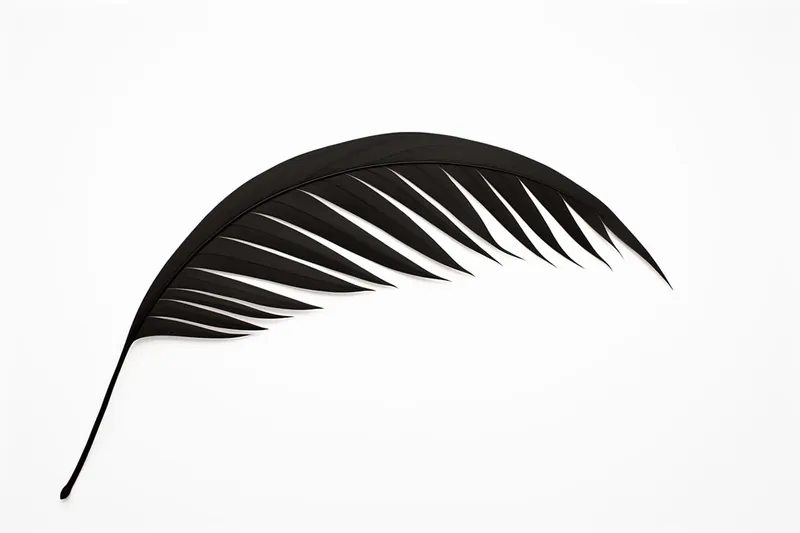
Materials You'll Need
- Pencil
- Paper
- Eraser
Palm leaves are instantly recognizable symbols of relaxation, tropical climates, and natural beauty. Their elegant, fan-like shapes and distinctive, sweeping lines make them a favorite subject in both fine art and illustration. Whether you're inspired by lush island scenery, want to add a botanical touch to your sketchbook, or are looking to enhance your nature drawing skills, learning how to draw a palm leaf can open up a world of creative possibilities. Palm leaves often appear in everything from travel posters and home décor to fashion prints and tattoo designs, making them a versatile motif for artists of all backgrounds.
There are many reasons why you might want to include palm leaves in your artwork. Not only do they evoke feelings of calm and escape, but their unique structure also provides a wonderful opportunity to practice line work, symmetry, and organic forms. Palm leaves can serve as a striking focal point or a beautiful background element in your compositions. By mastering how to draw a palm leaf, you'll be able to capture the essence of tropical landscapes and add a sense of movement and texture to your pieces.
This tutorial breaks down the process into easy-to-follow steps, making it accessible for artists of all skill levels. Beginners will benefit from practicing basic shapes and simple lines, while more experienced artists can focus on refining details, shading, and adding realism. You'll learn essential drawing techniques such as creating the central stem, arranging the leaflets symmetrically, and achieving the graceful curves that make palm leaves so iconic. As you work through the guide, you'll also have the chance to experiment with your own style, whether you prefer a loose sketch or a highly detailed rendering.
So, gather your drawing materials and get ready to explore the graceful beauty of tropical foliage. Remember, every artist starts somewhere, and the key is to enjoy the process and let your creativity flourish. By following this step-by-step guide on how to draw a palm leaf, you'll gain confidence in your drawing abilities and create a piece of art that brings a touch of the tropics to your portfolio. Let's dive in and start drawing!
Materials Required
Before we begin, make sure you have the following materials:
- Pencil: Start with a pencil to sketch out the basic shape of the palm leaf and make any necessary adjustments.
- Eraser: An eraser will come in handy to remove any unwanted lines or mistakes.
- **Paper:**Use a clean sheet of paper or a sketchbook to draw your palm leaf.
- Colored pencils or markers (optional): If you want to add color to your drawing, have some colored pencils or markers ready.
Now that you have your materials ready, let's begin drawing a palm leaf!
Step 1: Start with the Center Line
Begin by drawing a long, vertical line slightly tilted to the side. This will serve as the center line of your palm leaf. It should be taller than the actual height of the leaf, as we will be extending the lines later.
Step 2: Add the Main Vein
Starting from the top of the center line, draw a slightly curved line extending downwards. This line represents the main vein of the palm leaf. Make sure it follows the curvature of the center line.
Step 3: Draw the Side Veins
Next, draw several smaller curved lines extending from the main vein. These lines will represent the side veins of the palm leaf. Space them out evenly and make sure they follow the curvature of the main vein.
Step 4: Create the First Set of Leaflets
At the top of the main vein, draw a small curved line extending to the left. Then, mirror this line on the right side to create the first set of leaflets. These leaflets will become the outer layer of the palm leaf.
Step 5: Add More Leaflets
Continue adding leaflets on both sides of the main vein, gradually increasing in size as you move down the center line. Make sure the leaflets become wider towards the bottom of the palm leaf. Remember to keep them curved and follow the natural flow of the main vein.
Step 6: Shape the Leaflets
To give the leaflets a realistic appearance, add small curved lines within each leaflet to represent the smaller veins. These lines should radiate from the outer edge of the leaflet and connect to the main vein.
Step 7: Refine the Shape
Now that you have the basic structure of the palm leaf, take a moment to evaluate the overall shape and make any necessary adjustments. Look for any areas that may need to be refined or reshaped. Use your eraser to remove any unwanted lines or smudges.
Step 8: Add Texture
To add texture and depth to your palm leaf, draw small lines along the main vein and the side veins. These lines should be parallel to each other and extend outwards from the center line. Vary the length and thickness of the lines to create a more realistic effect.
Step 9: Optional - Add Color
If you prefer a colored drawing, this is the time to bring out your colored pencils or markers. Use shades of green to fill in the leaflets and the veins. You can also add a touch of yellow or brown to add depth and make your drawing more vibrant.
Tip: When drawing a palm leaf, start by lightly sketching the central stem (the rachis) as a gentle curve, which will guide the natural flow of your leaf. Use a ruler or straightedge for the initial guideline if you want extra symmetry, then freehand the rest for an organic look. As you add the individual leaflets, pay attention to their spacing and angle—each leaflet should radiate outward but curve slightly toward the tip, overlapping just a bit for a lush, full effect. Vary your line pressure to suggest the delicate, tapering quality of the leaflets, and don't be afraid to let some edges look a little irregular or wind-swept—this adds to the authentic, tropical feel!
Conclusion
Congratulations! You have successfully learned how to draw a palm leaf. By following these step-by-step instructions, you can create a realistic representation of this beautiful and iconic leaf. Remember to take your time and practice regularly to enhance your drawing skills. So grab your pencil, paper, and artistic spirit, and start creating stunning palm leaf drawings today!
Fun Facts About Palm Leaf
- The palm leaf is a key symbol in many cultures, often representing peace and victory.
- Some palm leaves can grow up to 25 feet long, making them among the largest leaves in the plant kingdom.
- Palm leaves have been used for centuries as writing material in South and Southeast Asia.
- The coconut palm, famous for its large fronds, is considered the "tree of life" in many tropical regions.
- Palm leaves are naturally water-resistant, which is why they are often used for thatching roofs in tropical climates.
- There are over 2,600 species of palms, each with unique leaf shapes and sizes.
- Palm Sunday, a Christian holiday, is named after the tradition of using palm leaves to celebrate Jesus' entry into Jerusalem.
- Palm leaves are a sustainable material for making eco-friendly plates and bowls.
- Some species, like the raffia palm, have leaves that are harvested for weaving baskets and mats.
Suggestions for Scenes and Settings for Palm Leaf Drawings
- A close-up study of a single palm leaf with intricate vein details and dramatic shading.
- A tropical beach scene featuring palm leaves arching overhead and casting shadows on the sand.
- Palm leaves forming a natural frame around a distant sunset over the ocean.
- A cluster of palm leaves overlapping to create a lush, layered botanical pattern.
- An elegant palm leaf motif used as a repeating design for stationery or fabric prints.
- Palm leaves with raindrops glistening on their surface after a tropical shower.
- A composition of palm leaves silhouetted against a vibrant, colorful sky at dawn or dusk.
- Monstera and other tropical plants intertwined with palm leaves for a dense jungle effect.
- A palm leaf as the main element in a minimalist tattoo design, emphasizing clean lines and symmetry.
- Palm leaves swaying in the breeze, captured in quick, expressive sketches to convey movement.