How to Draw a Money Bag
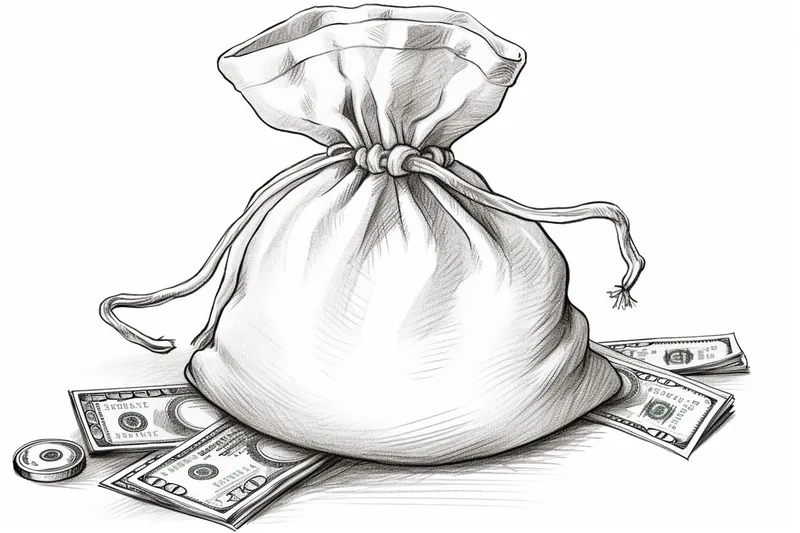
Learn how to draw a realistic and detailed money bag with this step-by-step tutorial. Impress your friends with your artistic skills!
Materials You'll Need
- Pencil
- Paper
- Eraser
Welcome to this comprehensive tutorial on how to draw a money bag—a classic symbol of wealth, savings, and prosperity recognized across cultures and ages. Money bags often appear in cartoons, comics, games, and business illustrations, making them a fun and useful subject to master. Whether you want to add a playful element to your sketches, create themed artwork for finance projects, or simply practice rendering everyday objects, learning to draw a money bag can enhance your artistic repertoire and open up new creative possibilities.
This tutorial on how to draw a money bag is designed for artists of all skill levels, from beginners looking to develop their basic shapes and shading skills to more experienced illustrators seeking to refine their technique. We will break down the process into clear, easy-to-follow steps, focusing on drawing the classic bulging sack, tying the knot, and adding realistic folds and details that make your illustration pop off the page. Along the way, you'll practice essential skills such as outlining, shading, and adding highlights to create a convincing three-dimensional effect. Drawing a money bag is also a great way to experiment with different textures and to practice conveying volume and weight in your art.
Remember, every artist starts somewhere, and each drawing is a step toward improving your abilities. Don't worry if it's not perfect on your first try—enjoy the process and let your creativity shine. Grab your materials, and let's dive into the fun world of drawing as we learn how to draw a money bag together!
Tip: As you work through the steps of drawing a money bag, consider keeping a reference image nearby, whether it's a real money bag or a cartoon version. This can help you observe details like folds, seams, and shading, ensuring your illustration captures a more realistic texture and depth. Additionally, don't hesitate to experiment with different styles or colors to make your money bag unique and reflective of your artistic voice.
Materials Required
Before we begin, make sure you have the following materials ready:
- Pencil
- Drawing paper
- Eraser
- Ruler
- Fine-tip black marker (optional)
- Colored pencils or markers (optional)
Now that we have everything we need, let's dive into the step-by-step instructions.
Step 1: Sketch the Outline
Start by lightly sketching the outline of the money bag. Draw a rectangular shape with rounded corners to represent the body of the bag. Keep the lines light and loose, as we will refine them later.
Step 2: Add the Details
Next, add the details to the money bag. Draw a horizontal line near the top of the bag to indicate the fold. Then, sketch two vertical lines on each side of the bag to represent the seams. Add a curved line at the bottom to create the illusion of depth.
Step 3: Draw the Dollar Sign
Now, let's add the dollar sign to the money bag. Draw a vertical line in the middle of the bag, slightly below the fold line. Then, draw two horizontal lines intersecting the vertical line to form the "S" shape of the dollar sign. Add two short lines at the bottom of the "S" to complete the symbol.
Step 4: Refine the Outline
Once you have the basic shapes in place, it's time to refine the outline of the money bag. Use your pencil to darken the lines, making them more defined and precise. Pay attention to the details and curves of the bag to bring out its realistic appearance.
Step 5: Add Texture and Shadows
To give the money bag a more realistic look, add texture and shadows. Use short, curved lines to create the appearance of fabric folds and creases. Shade the areas where the bag folds or overlaps to create depth and dimension. This will give the illustration a three-dimensional feel.
Step 6: Ink the Drawing (optional)
If you prefer a more defined and bold look, you can use a fine-tip black marker to outline the final drawing. Go over the pencil lines, making them darker and more prominent. Allow the ink to dry, and then erase any remaining pencil marks.
Step 7: Color the Money Bag (optional)
For a colorful and vibrant money bag drawing, you can use colored pencils or markers to add some color. Choose your desired colors and carefully fill in the different areas of the bag. Consider adding highlights and shading to enhance the three-dimensional effect.
Step 8: Final Touches
Take a step back and evaluate your drawing. Make any necessary adjustments or refinements to ensure a polished final result. Erase any stray marks or smudges and add any additional details or highlights to make your money bag drawing stand out.
And there you have it – a realistic and detailed money bag drawing! With a bit of practice and patience, you'll be able to create impressive illustrations of various subjects, including money bags.
Conclusion
Drawing a money bag may seem challenging at first, but with the right techniques and guidance, it becomes an enjoyable and rewarding experience. By following the step-by-step instructions in this tutorial, you can create a stunning money bag illustration that showcases your artistic skills. Remember to take your time, be patient, and have fun with the process. Happy drawing!
Fun Facts About Money Bags
- The money bag symbol has been used to represent wealth and prosperity since ancient times, with early examples found in Roman coinage.
- In Unicode, the money bag emoji is widely used in digital communication to signify money, success, or financial topics.
- Money bags are a common motif in pop art and cartoons, often depicted with a dollar sign to instantly convey the idea of riches.
- The dollar sign ($) on money bags became popular in the United States during the 19th century, as explained by the U.S. Department of the Treasury.
- In Monopoly, the classic board game, the money bag was once used as a player token representing wealth and financial strategy.
- Money bags are often featured in video games as collectible items or rewards, such as in the Legend of Zelda series.
- Historically, merchants and bankers used actual cloth money bags to transport coins, a practice documented by the Federal Reserve.
- The image of a tied money bag is sometimes used in logos and branding for financial institutions to evoke trust and security.
- In Chinese culture, the money bag is a symbol of good fortune and is often featured in New Year decorations to attract wealth.
Suggestions for Scenes and Settings for Money Bag Drawings
- A cartoon thief tiptoeing away with an oversized money bag under the moonlight.
- A money bag bursting open, with coins and bills spilling out onto a treasure chest map.
- An anthropomorphic money bag with arms and legs, happily skipping down a city street.
- A money bag sitting atop a pile of gold coins in a pirate's treasure chest.
- A businessperson handing a money bag over a negotiating table during a big deal.
- A fantasy dragon guarding a hoard of money bags in a dark, glittering cave.
- A stack of money bags in a bank vault, surrounded by security lasers and cameras.
- A playful scene with a squirrel or animal trying to carry a money bag much bigger than itself.
- A superhero swooping in to save a money bag from being stolen.
- A money bag used as a pinata at a bright and colorful party, with confetti flying everywhere.