How to Draw a King Charles Spaniel
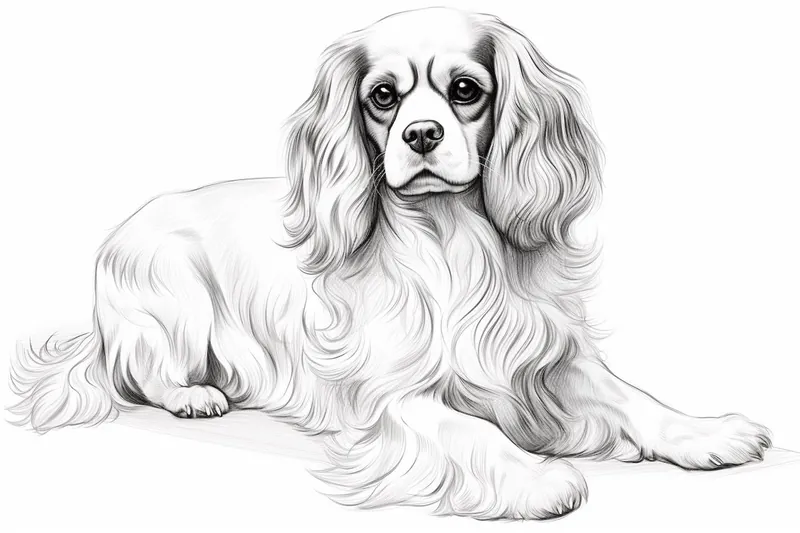
Learn how to draw a King Charles Spaniel with this step-by-step guide. Capture the charm of this elegant breed on paper using pencils and simple techniques.
Materials You'll Need
- Pencil
- Paper
- Eraser
The King Charles Spaniel is a beloved toy breed, famous for its gentle temperament and unmistakable appearance. With its long, silky ears, soulful eyes, and luxurious coat, this dog has captured the hearts of pet owners and artists alike for centuries. Whether you've admired these charming companions in royal portraits or have one curled up at your feet, drawing a King Charles Spaniel is a wonderful way to celebrate their unique beauty and personality. By learning how to draw a king charles spaniel, you'll not only improve your artistic skills but also gain a deeper appreciation for the intricate features that make this breed so endearing.
This tutorial is designed for artists of all skill levels, from beginners picking up a pencil for the first time to more experienced creators looking to refine their technique. We'll break the process down into simple, approachable steps, focusing on basic shapes, proportions, and the subtle details that bring your drawing to life—like the soft fur texture and expressive facial features. You'll also gain practice in shading and layering, which are valuable skills for drawing animals and capturing a lifelike quality. Drawing a King Charles Spaniel can be a delightful challenge that helps you build confidence and expand your artistic repertoire.
Tip: When drawing a King Charles Spaniel, take the time to study the reference photo closely before you begin sketching, particularly focusing on the unique features like the ear placement and fur texture. This observation will help ensure that your proportions and details are accurate, ultimately enhancing the lifelike quality of your drawing, so don't rush through this preparatory phase—it's crucial for capturing the breed's distinct charm.
So, whether you're drawing a cherished pet or simply want to practice portraying adorable animals, this guide will equip you with the tips and techniques needed for success. Remember, every artist progresses at their own pace—so grab your sketchbook, relax, and enjoy the creative journey. Let's get started and discover together how to draw a king charles spaniel that truly captures its sweet and noble spirit!
Materials Required
Before we dive into the drawing process, let's make sure you have all the necessary materials:
- Sketchbook or drawing paper
- Pencils (HB, 2B, and 4B)
- Eraser (preferably a kneaded eraser)
- Sharpener
- Reference photo of a King Charles Spaniel (you can find one online or use a photo you've taken yourself)
Now that you've gathered all the materials, let's begin the process of capturing the beauty of a King Charles Spaniel on paper.
Step 1: Basic Shapes
Begin by lightly sketching the basic shapes that define the head and body of a King Charles Spaniel. Start with a small circle for the head, followed by an oval shape for the body. Position the head slightly tilted to the side, as it adds a lively and endearing touch to the drawing.
Step 2: Outlining the Head
Using the circle as a guide, outline the shape of the head, keeping in mind the distinct muzzle and the gentle curve of the forehead. Pay close attention to the placement of the ears, which are one of the defining features of a King Charles Spaniel. They are positioned lower on the head and hang down, framing the face beautifully.
Step 3: Adding Facial Features
Now it's time to add the facial features that give the King Charles Spaniel its expressive look. Start with the eyes, which are large and round. Reflect their shape and position by carefully observing your reference photo. Next, add the nose, which is small and slightly pointed. Finally, draw the mouth and include a hint of a smile to capture the breed's friendly and cheerful nature.
Step 4: Sketching the Ears
Pay special attention to the ears, as they are a prominent feature of a King Charles Spaniel. Observe their shape and position, and sketch them accordingly. They should have a long and slightly rounded appearance, hanging down on either side of the head.
Step 5: Defining the Body
Refine the shape of the body by adding curves to indicate the chest and belly. A King Charles Spaniel has a compact and sturdy build, so make sure to capture that essence in your drawing. Take your time to get the proportions right, as it will greatly impact the overall look of your artwork.
Step 6: Adding Fur Details
With the basic outline in place, it's time to add some texture and depth to your drawing by incorporating fur details. Use short, gentle strokes to create a soft and fluffy appearance. Pay attention to the direction of the fur and vary your strokes to capture its natural flow. Take your time with this step, as it can really bring your drawing to life.
Step 7: Shading and Dimension
To give your King Charles Spaniel a three-dimensional look, it's important to add shading. Observe the light source in your reference photo and use a range of pencils (HB, 2B, and 4B) to create different shades. Apply darker tones on areas that are in shadow, such as under the chin and around the eyes. Use lighter tones on areas that catch the light, such as the top of the head and the snout. Gradually build up the shading until you achieve the desired effect.
Step 8: Refining and Detailing
Once you're satisfied with the overall shading, take some time to refine and add more details to your drawing. Pay attention to the small features, such as the texture of the nose and the shape of the eyes. Use an eraser to make highlights and add a subtle sparkle to the eyes, giving them a realistic and lively appearance.
Step 9: Final Touches
Before you consider your drawing complete, take a step back and evaluate it as a whole. Look for any areas that may need further adjustment or refinement. Make any necessary tweaks to ensure the proportions are accurate and the overall composition is pleasing to the eye.
Mistake Alert: A common mistake when drawing a King Charles Spaniel is making the ears too short or stiff, which can make your pup look more like a generic dog than this distinctive breed. This often happens because beginners focus on the head shape and forget that the ears are not only long but also flow outward and downward in soft, wavy locks. To capture their signature look, sketch the outline of the ears extending well below the jawline and gently curving away from the head, keeping the edges loose and slightly uneven to suggest silky fur. Before finalizing your lines, compare your drawing to reference images, making sure the ears add to the breed's gentle and endearing expression.
Conclusion
Congratulations! You have successfully learned how to draw a King Charles Spaniel. By following these step-by-step instructions, you have captured the grace and charm of this beautiful breed on paper. Remember, practice makes perfect, so don't hesitate to continue exploring your artistic abilities and trying different dog breeds. Happy drawing!
Fun Facts About King Charles Spaniels
- The King Charles Spaniel is also known as the English Toy Spaniel in the United States.
- This breed was a favorite companion of British royalty, especially King Charles II, after whom it is named.
- King Charles Spaniels are known for their distinctive domed heads and short, upturned noses.
- They come in four color varieties: Blenheim, Prince Charles (tricolor), King Charles (black and tan), and Ruby.
- King Charles Spaniels are gentle, affectionate, and thrive as lap dogs.
- This breed is prone to certain health issues, including heart problems and eye conditions.
- Despite their royal connections, King Charles Spaniels are playful and enjoy interactive games.
- They have a relatively low exercise requirement, making them ideal for apartment living.
Suggestions for Scenes and Settings for King Charles Spaniel Drawings
- A King Charles Spaniel lounging on a plush velvet cushion, reminiscent of a royal portrait.
- The spaniel frolicking in a sunlit garden surrounded by blooming flowers and butterflies.
- A cozy indoor scene with the dog curled up by a crackling fireplace on a rainy day.
- Action shot: the spaniel joyfully chasing a ball or frisbee in a park.
- A regal pose with the dog wearing a tiny crown or decorative collar, nodding to its royal heritage.
- The spaniel peeking out of a classic wicker picnic basket during a family outing.
- A playful composition of the dog meeting a curious kitten or another friendly pet.
- Winter scene: the spaniel bounding through fresh snow or wearing a cute sweater and scarf.
- Close-up portrait focusing on the expressive eyes and luxurious ears, with a soft, textured background.
- The spaniel sitting patiently next to a child reading a storybook, capturing their gentle companionship.