How to Draw a Hummingbird
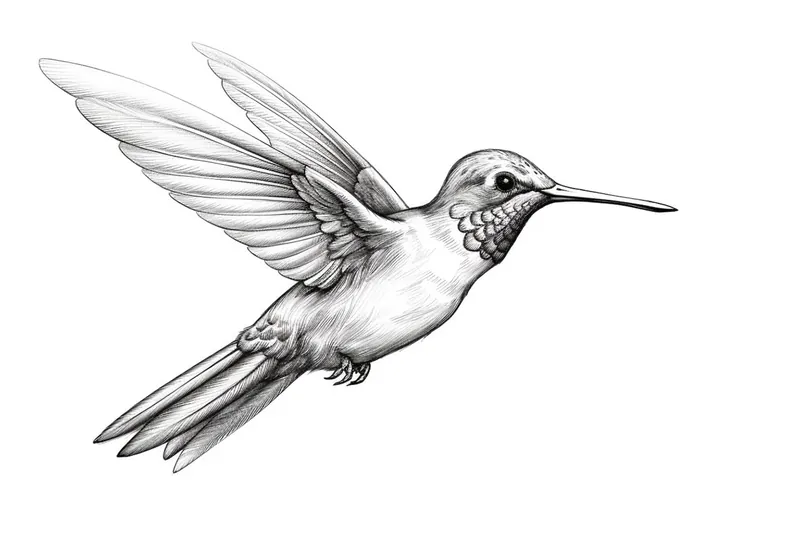
Learn how to draw a hummingbird in a step-by-step tutorial. Create a beautiful representation of this fascinating creature with easy-to-follow instructions.
Materials You'll Need
- Pencil
- Paper
- Eraser
Hummingbirds are among the most enchanting birds in the natural world, celebrated for their dazzling iridescent feathers, tiny size, and remarkable agility in flight. These remarkable creatures are often associated with beauty, joy, and the vibrant energy of gardens in bloom. Their ability to hover and dart from flower to flower makes them a favorite subject for both photographers and artists alike. Learning how to draw a hummingbird gives you the unique opportunity to capture this sense of motion and color on paper, making your artwork come alive with the same liveliness that these birds display in nature.
Whether you are a beginner or an experienced artist, drawing a hummingbird can be both a fun challenge and a rewarding experience. This tutorial on how to draw a hummingbird will guide you through each step, from sketching the basic body shapes to adding those signature details and vibrant hues. You'll have the chance to practice essential drawing techniques, such as shaping delicate wings, creating smooth curves, and layering colors for realistic plumage. Not only will you improve your observation skills, but you'll also learn how to express movement and grace in your art—skills that can be applied to many other subjects as well.
No matter your skill level, remember that every artist improves with practice and patience. Drawing a hummingbird is a wonderful way to develop your artistic eye and gain confidence in your abilities. So gather your materials, set aside some creative time, and let's embark on this artistic journey together. With each step, you'll be closer to creating a beautiful hummingbird illustration that you can be proud of!
Materials Required:
- Pencil
- Eraser
- Drawing paper
- Colored pencils or markers (optional)
Now that we have our materials ready, let's dive into the process of drawing a hummingbird.
Step 1: Basic Guidelines
Start by lightly sketching a circle for the head and an oval for the body. These shapes will serve as the foundation for your hummingbird drawing. Remember to keep your lines light, as they will be erased later.
Step 2: Beak and Body
Draw a small triangle for the beak, pointing downwards from the head. Then, connect the oval shape to the head to complete the body. The body should be slightly elongated, reflecting the slender shape of a hummingbird.
Step 3: Wings and Tail
Next, draw two elongated shapes on either side of the body for the wings. These wings should curve slightly upwards and be symmetrical. Extend a long, thin shape from the lower part of the body, creating the tail of the hummingbird. You can experiment with different tail shapes, such as a fan or sword shape, to add personality to your drawing.
Step 4: Head Details
Now, let's focus on the head of the hummingbird. Draw a small circle within the head to represent the eye. Add a tiny dot inside the circle to indicate the pupil. Just above the eye, draw a curved line for the eyebrow of the hummingbird. Then, add a curved line under the beak to represent the bird's lower beak line.
Step 5: Feathers
Hummingbirds are known for their beautiful feathers, so let's add some detail. Start by drawing small, curved lines all over the bird's body, giving the appearance of feathers. Pay attention to the direction of the lines, as they should follow the shape of the body and wings.
Step 6: Patterns and Colors
Hummingbirds come in a variety of colors and patterns, so this is your chance to get creative. You can draw stripes, dots, or even mimic the colors of a specific hummingbird species. Use colored pencils or markers to add vibrant hues to your drawing, blending and layering colors to create depth and texture.
Step 7: Shadows and Highlights
To make your hummingbird drawing more realistic, add shadows and highlights. Identify the light source in your drawing, then shade the areas that would be in shadow. Use lighter tones to highlight the parts that would catch the light. This technique will bring dimension and depth to your artwork.
Tip: When drawing a hummingbird, use light, sweeping pencil strokes to block in the basic gesture and direction of the body, tail, and wings—focus on capturing the bird's sense of motion before refining details. Hummingbirds have long, slender beaks and curved, dynamic wings that often appear blurred in flight, so try sketching the wings with soft, arched lines to suggest movement. For the feathers, consider layering colored pencils or watercolor washes in short, overlapping strokes to build up the iridescent quality of their plumage. Pause occasionally to step back and check the overall balance and flow of your drawing—this helps ensure your hummingbird looks lively and natural, not stiff or static.
Conclusion
Congratulations on completing your hummingbird drawing! By following these step-by-step instructions, you have created a beautiful representation of this fascinating creature. Remember, practice makes perfect, so don't be discouraged if your first attempt doesn't meet your expectations. Keep honing your skills, and soon you'll be able to draw hummingbirds with ease.
Fun Facts About Hummingbird
- Hummingbirds are the only birds that can fly backwards, thanks to their unique wing structure.
- Some hummingbirds beat their wings up to 80 times per second, creating their signature humming sound.
- The smallest bird in the world is the bee hummingbird, which measures just 2 inches long.
- Hummingbirds have the highest metabolism of any bird species, requiring them to eat every 10–15 minutes.
- They can visit up to 2,000 flowers in a single day to collect nectar.
- Hummingbirds are found only in the Americas, from Alaska to Tierra del Fuego.
- Despite their tiny size, some species migrate over 3,000 miles each year.
- Hummingbirds have excellent color vision and can even see ultraviolet light.
- Their hearts can beat more than 1,200 times per minute during flight.
- Male hummingbirds often perform dramatic aerial displays during courtship.
Suggestions for Scenes and Settings for Hummingbird Drawings
- A hummingbird hovering in front of a trumpet-shaped flower, sipping nectar with its long beak.
- Two hummingbirds engaging in an aerial dance above a vibrant garden filled with blooming flowers.
- A close-up of a hummingbird perched on a thin branch, feathers shimmering in the sunlight.
- A hummingbird in mid-flight, wings blurred to show rapid movement, surrounded by a burst of tropical colors.
- A tiny hummingbird nest hidden among lush green leaves, with a mother bird feeding her chicks.
- A hummingbird facing off with a butterfly over a particularly inviting blossom.
- A scene at dawn, with a hummingbird silhouetted against the soft glow of the rising sun.
- A whimsical garden setting with multiple hummingbirds darting among fantastical, oversized flowers.
- A hummingbird interacting with a water droplet, perhaps taking a quick bath or sipping from a leaf.
- A hummingbird in motion beside a sparkling waterfall, capturing both the energy of the bird and the rushing water.