How to Draw a Human Body
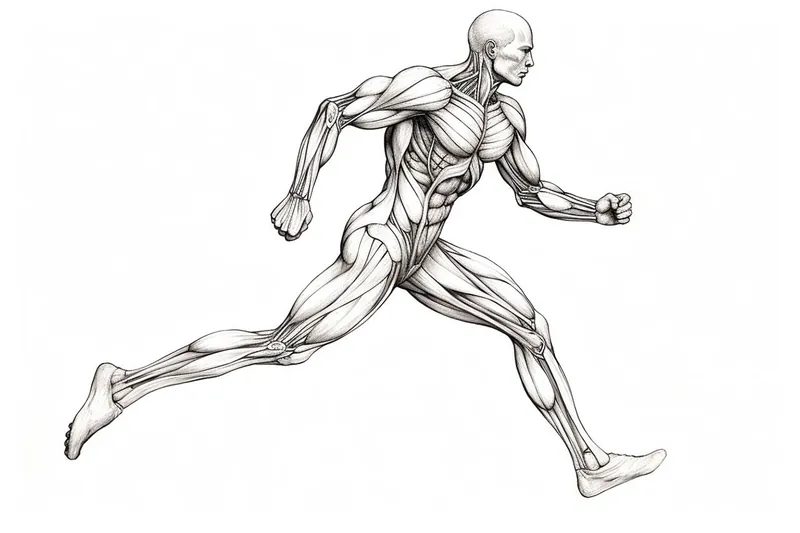
Learn how to draw a human body with this step-by-step guide. From basic proportions to shading and details, this tutorial will help you create realistic figures in your artwork.
Materials You'll Need
- Pencil
- Paper
- Eraser
The human body has been a source of fascination and inspiration for artists throughout history, celebrated for its complexity, beauty, and expressive potential. Learning how to draw a human body is a fundamental skill for anyone interested in figure drawing, character design, or anatomy illustration. By understanding the structure of bones, muscles, and proportions, artists can create lifelike and dynamic figures that convey emotion and movement. Whether you dream of illustrating comic books, designing video game characters, or simply improving your sketching abilities, mastering this subject opens up countless creative opportunities.
Many artists are drawn to figure drawing because it challenges them to observe carefully and translate what they see into convincing, harmonious lines and shapes. Knowing how to draw a human body will help you develop a solid foundation in anatomy, which is essential not only for realistic art but also for stylized and imaginative works. This tutorial breaks down the process into manageable steps, making it approachable for beginners while still offering valuable tips for more advanced artists. You'll learn important concepts like gesture, proportion, and basic anatomy, and practice techniques such as sketching, shading, and refining your lines to achieve a balanced and realistic representation.
No matter your current skill level, remember that drawing the human body is a journey that improves with observation and practice. Every sketch you make brings you closer to mastering this essential subject. So grab your pencils and paper, follow along with the steps, and enjoy the rewarding process of bringing your figures to life—one line at a time!
Tip: As you practice drawing the human body, consider incorporating dynamic poses and gestures to enhance your figures' expressiveness; instead of relying solely on static positions, use reference images or live models to capture movement and fluidity, which can add life to your sketches and help you better understand the anatomy in action.
Materials Required
Before we start, make sure you have the following materials:
- Drawing paper: Use smooth, heavyweight paper that can withstand erasing and shading.
- Drawing pencils: Get a range of pencils in different hardness grades. HB or 2B pencils are good for sketching, while harder pencils like 2H are useful for lighter lines and details.
- Eraser: Opt for a kneaded eraser to quickly correct mistakes without damaging the paper.
- Sharpener: Keep your pencils sharp for precise lines and details.
- Blending tools: Have a blending stump or tortillon handy for blending and smudging.
Now that you have everything you need, let's get started on drawing the human body!
Step 1: Basic Proportions
To begin, let's establish the basic proportions of the human body. Start by drawing a vertical line in the center of your paper, which will serve as the spine. Next, draw a circle at the top of the line to represent the head. The length of the line below the head will determine the height of your figure. Divide this line into eight equal segments, as these will be the reference points for different body parts.
Step 2: Head and Facial Features
Now, let's focus on the head. Using the circle as a guide, draw the jawline and position the eyes, nose, and mouth within the circle's boundaries. Pay attention to the placement and size of these features to achieve a realistic look. Remember, everyone's face is unique, so feel free to add your own artistic touch.
Step 3: Torso and Limbs
Moving on to the torso, start by sketching the neck and shoulders. From there, draw the ribcage and the basic shape of the torso, considering the underlying anatomy. Add the arms, making sure to establish the correct proportions and pose. For the legs, begin with the hips and then draw the basic shapes of the thighs, calves, and feet. Remember that the legs will determine your figure's overall balance and stance.
Step 4: Adding Volume and Details
Now that you have the basic structure of the human body, it's time to add volume and details. Start by refining the outline of the figure, using lighter lines to make corrections and adjustments as needed. Add muscle definition and curves to the body, paying attention to the contour and movement of each body part. Remember to keep the proportions in check and maintain symmetry for a realistic appearance.
Step 5: Shading and Texturing
To bring your drawing to life, it's essential to add shading and texture. Identify the direction of the light source and shade accordingly, creating areas of light and shadow. Use your pencils to vary the pressure and create different tones, blending and smudging for a smooth and realistic effect. Pay attention to the texture of the skin, clothing, and any other elements you include in your drawing.
Mistake Alert: A common pitfall when drawing the human body is treating the figure as a series of disconnected parts, rather than a unified whole. This often happens because beginners focus too much on isolated details—like hands, feet, or facial features—before establishing the underlying gesture and proportions. As a result, your drawing might look stiff or awkward, with limbs that don't quite fit together naturally. To avoid this, always start with a loose, gestural sketch that captures the overall movement and posture of the body before adding any details. Think of the figure as a flowing, connected structure, and use light lines to block out the torso, limbs, and head, paying special attention to how everything relates in size and angle.
Conclusion
Congratulations! You have successfully learned the step-by-step process of drawing a human body. By following these instructions, practicing regularly, and experimenting with different poses and angles, you will continue to improve your skills as an artist. Remember, drawing the human body takes time and patience, so don't be afraid to make mistakes and keep practicing. Soon enough, you'll be able to create stunning and lifelike figures in your artwork.
Fun Facts About Human Body
- The human body contains around 37 trillion cells, each with a specific function.
- Your heart beats about 100,000 times per day, pumping blood throughout your body.
- The strongest muscle in the human body, based on its size, is the masseter (jaw muscle).
- Humans shed about 600,000 particles of skin every hour, totaling roughly 1.5 pounds per year.
- The human nose can detect over 1 trillion different scents.
- Your bones are constantly being renewed, with a new skeleton every 10 years.
- The human brain has about 86 billion neurons, enabling complex thoughts and actions.
- Adults have fewer bones than babies; we start with about 270 bones, but many fuse to leave 206 in adulthood.
- Humans are the only animals with chins.
- The liver is the only organ that can regenerate itself, even if damaged.
Suggestions for Scenes and Settings for Human Body Drawings
- A dancer mid-leap on stage, capturing dynamic movement and flowing fabric.
- An athlete pausing to tie their shoes, focusing on the stretch and twist of muscles.
- A figure reclining in a sunlit window, exploring soft light and relaxed posture.
- A person pulling on a jacket, with attention to the interaction of fabric and form.
- Two people in conversation at a café, highlighting expressive gestures and body language.
- A yoga pose in a tranquil outdoor setting, emphasizing balance and anatomical accuracy.
- An artist sketching at an easel, with hands and face concentrated in creative focus.
- A runner sprinting through the rain, using dramatic lighting and wet surfaces to accentuate anatomy.
- A child reaching upwards to grab a balloon, exploring foreshortening and playful energy.
- A silhouette at sunset, using strong contrasts to define the body's outlines and proportions.