How to Draw a Horsehead
Learn to draw a horsehead with this step-by-step tutorial. From basic shapes to refining details, create your own masterpiece with these expert instructions.
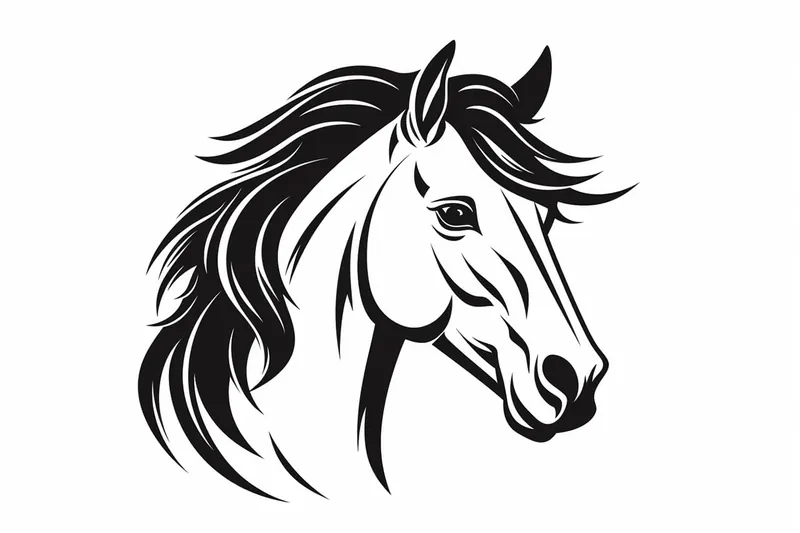
Materials You'll Need
- Pencil
- Paper
- Eraser
Horses have long captured the imagination of artists and admirers alike, known for their elegance, strength, and expressive features. The horse's head, with its graceful curves, alert eyes, and distinctive profile, is an especially popular subject in art. Whether you're a beginner or looking to refine your skills, learning how to draw a horsehead offers a rewarding opportunity to explore anatomy, texture, and expression through your artwork. Drawing a horsehead will not only help you appreciate the animal's beauty but also improve your ability to capture lifelike proportions and subtle details in your sketches.
Many artists choose to draw a horsehead because it serves as an excellent study in both form and character. The head is where much of the horse's personality is conveyed, from the gentle gaze of its eyes to the alertness in its ears. By mastering this subject, you can create artwork that tells a story, evoke emotion, or simply showcase the majestic qualities of these remarkable creatures. This skill is valuable for a wide range of artistic projects, whether you're interested in creating standalone portraits, dynamic illustrations, or even incorporating horses into larger compositions.
This tutorial on how to draw a horsehead is designed to be accessible for artists of all skill levels. We'll break down the process step by step, starting with basic shapes to map out the head's structure, and then gradually adding features and refining details. Along the way, you'll learn essential techniques such as sketching guidelines, shading for dimension, and capturing the unique textures of the horse's mane and coat. With patience and practice, you'll gain confidence in rendering not just horseheads, but other animal subjects as well.
So, gather your drawing materials and get ready to embark on a creative journey. Remember, every artist starts somewhere, and progress comes with each new attempt. Don't worry if your first try isn't perfect—use it as a learning experience and keep practicing. By the end of this tutorial, you'll have a beautiful horsehead drawing to be proud of and a stronger understanding of animal portraiture. Let's dive in and discover the secrets of how to draw a horsehead together!
Materials Required
Before we begin, make sure you have the following materials:
- Paper: It's best to use a sturdy drawing paper that can hold various pencil strokes without tearing.
- Pencils: Select a range of graphite pencils, such as HB, 2B, 4B, and 6B, to achieve different shades and textures.
- Eraser: Have a kneaded eraser handy for easy corrections and highlights.
- Pencil Sharpener: Keep your pencils sharp for precise lines and details.
- Blending Stump: This tool is optional but can be useful for creating smooth gradients and blending pencil strokes.
Now that you have everything you need, let's dive into the step-by-step process of drawing a horsehead.
Step 1: Basic Shapes
To establish the overall proportions of your horsehead, begin by sketching a circle for the head and a small oval for the muzzle. These basic shapes will serve as your guide throughout the drawing process. Don't worry about perfection at this stage; these are just rough guidelines.
Step 2: Outline the Head
Using the basic shapes as a reference, start outlining the contours of the horsehead. Pay attention to the curves and angles, making sure they resemble the unique structure of a horse's head. Focus on capturing the general shape rather than intricate details.
Step 3: Add Facial Features
Now it's time to add the essential facial features of the horse. Start by sketching the eyes, which are typically almond-shaped. Pay attention to the position, size, and angle of the eyes, as they are crucial for capturing the horse's expression. Next, draw the nostrils and the mouth, keeping in mind the proportions of the muzzle.
Step 4: Define the Mane and Ears
The mane is one of the most distinctive features of a horse. Begin by drawing the outline of the mane, keeping it flowing and natural-looking. Add individual strands to give it texture and volume. Then, draw the ears, which can be positioned erect or relaxed depending on the horse's mood.
Step 5: Refine the Details
Now that you have the basic structure in place, start refining the details of the horsehead. Pay particular attention to the shape and proportion of the eyes, adding depth and shading to create a sense of realism. Add the eyelashes and eyebrows delicately for a more lifelike appearance. Refine the nostrils and mouth by adding shadows and highlights.
Step 6: Add Shadows and Highlights
To give your drawing depth and dimension, it's essential to add shading. Observe the light source and imagine how it falls on the horse's head. Use your pencils to create varying shades, from dark to light, to mimic the play of light and shadows. Pay attention to the contours of the horse's head and add highlights to create a realistic and three-dimensional effect.
Step 7: Final Touches
Tip: As you progress through drawing the horsehead, take frequent breaks to step back and assess your work from a distance; this will help you identify areas needing adjustment more easily and maintain a fresh perspective on proportions and details. Additionally, keeping reference images handy can be invaluable for ensuring accuracy in features and overall shape.
Take a step back and assess your drawing. Are there any areas that need adjustment or refinement? Use your eraser to make any necessary corrections or highlight certain areas. Take your time to ensure every detail is captured to your satisfaction.
Mistake Alert: A common mistake when drawing a horsehead is making the face too short or the jaw too small, which can result in a cartoonish or inaccurate look. This often happens because the artist underestimates the length of the horse's face, especially the distance between the eyes and the nostrils. To avoid this, lightly sketch a guideline that runs from the top of the head to the end of the muzzle and regularly compare this length to reference images. Remember, a horse's head is long and elegant; don't be afraid to give it enough vertical space on your page to capture its true proportions!
Conclusion
Congratulations on completing your horsehead drawing! By following these step-by-step instructions, you have learned how to capture the grace and beauty of this magnificent creature on paper. Remember, practice makes perfect, so keep honing your skills by drawing horses from different angles and in various poses. With time and dedication, you will master the art of horsehead drawing.
I hope you found this tutorial helpful and enjoyable. Now go grab your pencils and start your own horsehead masterpiece!
Fun Facts About Horsehead
- The horse's eyes are among the largest of any land mammal, providing a wide field of vision.
- Horses communicate mood and intent through the position and movement of their ears and head.
- The shape of a horse's head can indicate its breed, with some breeds like Arabians known for their distinctive dished profile.
- Horses have a highly developed sense of smell, with large nostrils and a sensitive muzzle for detecting scents.
- The horse's head is home to the flehmen response, where they curl their upper lip to analyze interesting scents.
- Horses can move each ear independently, allowing them to pinpoint sounds and express emotions.
- The jaw of a horse is powerful enough to crush tough plant material, thanks to strong cheek muscles and specialized teeth.
- Artists have depicted horseheads in art for thousands of years, with famous examples found in ancient Greek and Roman sculptures.
Suggestions for Scenes and Settings for Horsehead Drawings
- A close-up portrait of a horsehead with a windswept mane blowing dramatically across its face.
- A horsehead emerging from morning mist, with soft shading to evoke a dreamy atmosphere.
- A horse peeking over a stable door, capturing curiosity and personality in its expression.
- A horse grazing in a sunlit meadow, focusing on gentle lighting and natural surroundings in the background.
- An elegant show horse with braided mane and decorative bridle, emphasizing detail and refinement.
- A wild mustang with scars and a rugged mane, expressing freedom and resilience through bold lines and textures.
- A foal's head nestled against its mother, highlighting tenderness and the contrast between youthful and mature features.
- A stylized horsehead with flowing, abstract mane patterns, using creative linework and negative space.
- A dramatic profile view with strong backlighting, creating a silhouette effect against a sunset sky.
- A horse wearing a floral garland or festive headpiece, adding a whimsical or celebratory touch to the portrait.