How to Draw a German Shorthaired Pointer
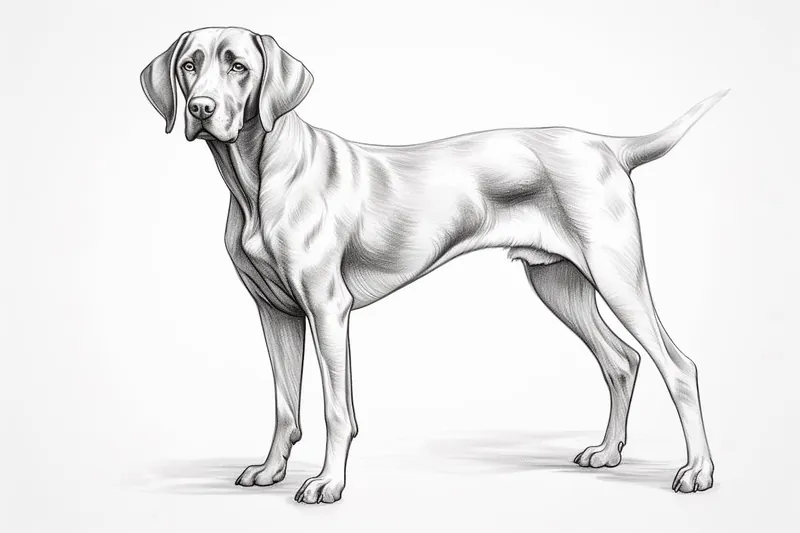
Learn how to draw a German Shorthaired Pointer with this step-by-step tutorial. Capture the beauty and grace of this dog breed in your artwork.
Materials You'll Need
- Pencil
- Paper
- Eraser
The German Shorthaired Pointer is a remarkable and versatile dog breed, admired for its athletic physique, keen intelligence, and boundless energy. Originally bred in Germany for hunting and retrieving, these dogs are instantly recognizable by their sleek, short coat, distinctive markings, and alert, expressive eyes. Their graceful posture and muscular build make them a favorite subject among artists and dog enthusiasts alike. Capturing the essence of a German Shorthaired Pointer on paper is not only a celebration of their beauty but also a wonderful way to develop your observation and drawing skills.
Learning how to draw a German Shorthaired Pointer can be both a rewarding and educational experience. Whether you are a pet owner looking to create a personal tribute to your furry friend, an animal lover expanding your portfolio, or simply an artist seeking a new challenge, this tutorial will guide you through each step of the process. You'll learn to observe key features, block out basic shapes, and add realistic details such as the characteristic coat patterns and soulful eyes. While this guide is suitable for artists of all levels, some basic knowledge of shading and proportion will be helpful. Don't worry if you're a beginner—patience and practice will help you improve quickly!
By following this step-by-step tutorial, you'll gain confidence in drawing not just German Shorthaired Pointers, but other dog breeds as well. So gather your drawing materials, keep an open mind, and remember to enjoy the creative journey. With a bit of dedication and attention to detail, you'll soon have a lifelike portrait that captures the spirit and elegance of this wonderful breed. Let's dive in and discover how to draw a German Shorthaired Pointer together!
Materials Required
Before we begin drawing, make sure you have the following materials at hand:
- Pencil: A graphite pencil with a medium hardness (such as an HB or 2B) is ideal for sketching and shading.
- Eraser: An eraser will come in handy for correcting any mistakes and smudges.
- Drawing paper: Choose a smooth and heavyweight paper that can handle pencil shading.
- Reference photo: Have a clear reference photo of a German Shorthaired Pointer nearby to guide you throughout the drawing process.
- Blending tool (optional): You can use a blending stump, tortillon, or even tissue paper to smoothen out your shading if desired.
Now that you have all your materials ready, let's dive into the step-by-step process of drawing a German Shorthaired Pointer!
Step 1: Basic Shapes and Proportions
Begin by lightly sketching the basic shapes to establish the dog's proportions. Start with an oval shape for the head, followed by an elongated oval for the body. Add circles for the joints of the legs and rectangles for the paws. Remember, these initial shapes are just guidelines, so keep them light and easily erasable.
Step 2: Outline the Head and Ears
Using the basic oval shape as a guide, start outlining the head of the German Shorthaired Pointer. Pay attention to the structure of the skull and the placement of the ears. German Shorthaired Pointers have medium-sized ears that are set high on the head. They are slightly rounded at the tips and fold forward.
Step 3: Draw the Eyes, Nose, and Mouth
Focus on the facial features of the German Shorthaired Pointer. Begin by drawing the eyes, which are almond-shaped and set slightly apart. Add the pupil and highlight to bring them to life. Then, sketch the nose, which is typically black and shaped like a rounded triangle. Don't forget to include the nostrils. Finally, draw the mouth and indicate the lip line.
Step 4: Define the Body and Legs
Refine the outline of the body, giving it a more muscular and athletic appearance. German Shorthaired Pointers have a deep chest and a strong, well-defined abdomen. Sketch the legs, paying attention to their proportion and angle. Remember to add the joints and indicate the muscle tone.
Step 5: Add Fur Texture
Now, it's time to add some texture to your drawing to bring out the German Shorthaired Pointer's short and dense coat. Use short, light strokes with your pencil to indicate the direction of the fur. Pay attention to the areas where the fur is shorter or longer, such as the ears, neck, and tail. Take your time and build up the layers gradually to achieve a realistic effect.
Step 6: Shade and Add Depth
To create depth and dimension in your drawing, it's important to master shading. Study your reference photo and observe the areas of light and shadow. Begin by lightly shading the lighter areas, gradually adding darker tones where needed. Use a blending tool or your pencil to smoothen out the transitions between light and shadow, creating a more realistic appearance.
Step 7: Refine Details and Add Highlights
Now that you have established the overall form and shading of your German Shorthaired Pointer, focus on refining the details. Pay close attention to the facial features, such as the eyes, nose, and mouth. Add any wrinkles or folds in the skin that may be present. Use a kneaded eraser to lift out highlights and create a more three-dimensional look.
Step 8: Final Touches and Finishing
Take a step back and evaluate your drawing as a whole. Make any necessary adjustments to ensure accuracy and proportion. Add any additional details that you feel are important to your drawing, such as a collar or background elements. Once you are satisfied with the result, carefully erase any remaining stray lines and smudges to clean up your drawing.
Tip: When sketching a German Shorthaired Pointer, start by lightly blocking in the basic structure using simple geometric shapes—ovals for the head and chest, and cylinders for the legs—to capture their athletic build and poised stance. Use a soft graphite pencil (2B or 4B) for this stage, so you can easily adjust proportions as needed. Pay particular attention to the angle of the neck and the placement of the legs, as this breed's energy often shows in their posture. Once satisfied with the foundation, gradually refine your lines and begin mapping out the distinctive coat patterns and spots, using short, directional strokes to suggest the short, sleek fur. Remember, working in layers—building up from loose forms to detailed features—will help you maintain accuracy and capture the pointer's lively essence.
Conclusion
Congratulations on completing your German Shorthaired Pointer drawing! By following these step-by-step instructions and using your observation skills, you have successfully captured the essence of this energetic and graceful dog breed. Remember, practice is key, so keep drawing and refining your skills. Have fun and enjoy the journey of creating beautiful artwork!
Fun Facts About German Shorthaired Pointers
- The German Shorthaired Pointer was first developed in the 19th century in Germany as a versatile hunting dog, excelling in both land and water work.
- This breed is known for its distinctive ticked coat pattern, which features small flecks or spots on a solid background.
- German Shorthaired Pointers are highly energetic and require plenty of daily exercise to stay happy and healthy.
- They are considered one of the most intelligent dog breeds, making them quick learners in obedience and agility training.
- The breed is known for its webbed feet, which help them swim efficiently and retrieve game from water.
- German Shorthaired Pointers are excellent family dogs due to their affectionate and loyal nature.
- They have a strong prey drive and may instinctively chase small animals, so early socialization is important.
- The breed is recognized for its keen sense of smell, making it a popular choice for search and rescue work.
Suggestions for Scenes and Settings for German Shorthaired Pointer Drawings
- A German Shorthaired Pointer sprinting through a field of tall grass, ears flapping and nose to the ground.
- The dog poised at the edge of a calm lake, intently watching a duck or its own reflection in the water.
- A close-up portrait capturing the soulful, alert eyes and unique speckled markings of the breed.
- The Pointer mid-leap over a fallen log during an energetic forest run, illustrating its athleticism.
- A cozy domestic scene with the dog curled up by a fireplace or lounging on a sunlit porch.
- The Pointer with a proud stance, holding a retrieved object (like a toy or stick) in a classic hunting pose.
- A playful interaction between the German Shorthaired Pointer and its owner, such as a game of fetch or training session.
- The dog exploring in snowy terrain, with paw prints trailing behind against a white backdrop.
- A peaceful moment with the Pointer gazing out of a window, light casting patterns on its coat.
- A group of German Shorthaired Pointers at play, showing variations in coat patterns and lively social behavior.