How to Draw a Fishing Pole
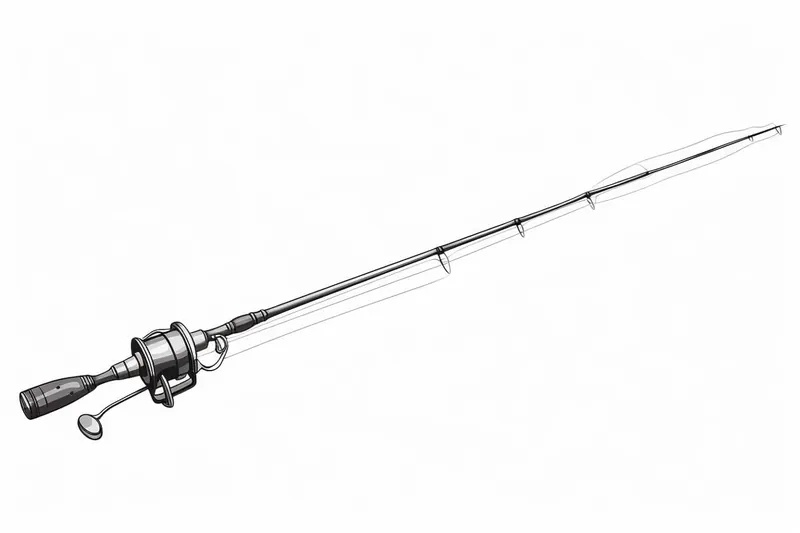
Learn how to draw a fishing pole with this step-by-step tutorial. Create a realistic and detailed drawing using these easy-to-follow instructions.
Materials You'll Need
- Pencil
- Paper
- Eraser
Drawing a fishing pole might seem simple at first glance, but it offers a fantastic opportunity to practice capturing slender shapes, perspective, and fine details. A fishing pole is an iconic piece of outdoor gear used by anglers worldwide, symbolizing patience, relaxation, and the joy of connecting with nature. Whether you're passionate about fishing or just fascinated by the intricate design of this tool, learning how to draw a fishing pole can be both rewarding and enjoyable. It allows you to explore line work, shading, and proportion, making it an excellent subject for artists at any skill level.
This tutorial will guide you step-by-step through the process of how to draw a fishing pole, breaking down the structure into manageable parts so you can build up your drawing with confidence. Whether you're a beginner eager to develop your foundational skills or an intermediate artist looking to refine your technique, this project offers a blend of simple shapes and subtle details. You'll practice important techniques such as creating smooth curves, understanding perspective, and adding texture to make your drawing look realistic and engaging. Plus, mastering this subject paves the way for drawing other outdoor and sporting equipment with similar characteristics.
So grab your pencil, eraser, and paper, and dive into this creative adventure. With patience and practice, you'll soon be able to sketch a fishing pole that feels lifelike and dynamic. Remember, art is all about enjoying the process and expressing your unique perspective — and by learning how to draw a fishing pole, you're adding a versatile and charming subject to your artistic repertoire. Let's get started and make something you can be proud of!
Materials Required
Before we begin, gather the following materials:
- Drawing paper
- Pencil
- Eraser
- Ruler
- Compass
- Protractor
- Colored pencils or markers (optional)
Now that you have all the necessary materials, we can dive into the exciting process of drawing a fishing pole.
Step 1: Draw the Base Line
Start by drawing a straight horizontal line across the middle of your paper. This line will serve as the base for the fishing pole.
Step 2: Add the Reel Seat
On the left side of the base line, draw a small rectangle. This rectangle represents the reel seat of the fishing pole.
Step 3: Sketch the Handle
From the right side of the reel seat, draw a slightly curved line downwards. This line represents the handle of the fishing pole. Make sure the line is not too long; it should be proportionate to the reel seat.
Step 4: Add the Grip
At the bottom of the handle, draw another curved line upwards to form the grip. The grip should be thicker than the handle and extend slightly below the base line.
Step 5: Draw the Fishing Line
On the right side of the base line, draw a slightly curved line upwards. This line represents the fishing line. The length of the line can vary depending on personal preference.
Step 6: Create the Fishing Rod
To create the fishing rod, draw a straight vertical line from the top of the reel seat to the top of the grip. Make sure the line is aligned with the center of the reel seat and handle.
Step 7: Add the Guides
Using your ruler, draw evenly spaced diagonal lines across the fishing rod. These lines represent the guides that help control the fishing line. Start from the top of the fishing rod and stop just above the grip.
Step 8: Sketch the Reel
On the top of the reel seat, draw a circle or an oval-shaped figure. This will represent the fishing reel. Add small details like buttons or knobs to make it more realistic.
Step 9: Add Details to the Reel
Inside the reel, draw circular shapes to represent the various components. You can also add a handle and a fishing line coming out of the reel. Be creative and add as much detail as you like.
Step 10: Erase Unnecessary Lines
Tip: As you work through each step of drawing the fishing pole, take time to observe real fishing poles or reference images to enhance your understanding of their structure and details, such as the curvature of the handle or the way the guides are positioned along the rod. This observation will help you add authenticity to your drawing and improve your overall artistic skills.
Carefully go over your drawing and erase any unnecessary lines, such as the base line and the lines from the fishing line to the reel. This will give your drawing a cleaner and more refined look.
Step 11: Add Color (optional)
If you want to add a touch of color to your drawing, now is the time to do so. Use colored pencils or markers to bring your fishing pole to life. You can choose realistic colors or get creative with vibrant hues.
Conclusion
Congratulations! You have successfully drawn a fishing pole. By following these step-by-step instructions and using your creativity, you have created a realistic and detailed representation of a fishing pole. Drawing is a wonderful way to express your artistic abilities and relax. So keep practicing and exploring different subjects to draw.
With this tutorial, you've learned how to draw a fishing pole. Remember to gather all the necessary materials and follow each step carefully. Whether you're drawing for fun or aiming to improve your artistic skills, enjoy the process and have fun bringing your imagination to life.
Fun Facts About Fishing Pole
- The earliest fishing poles date back over 4,000 years and were used by ancient civilizations for subsistence fishing.
- Modern fishing poles are often made from lightweight materials like carbon fiber and fiberglass for better strength and flexibility.
- Fishing poles vary in length from just a few feet to over 20 feet, depending on the type of fishing and environment.
- The guides on a fishing pole help control the fishing line and improve casting accuracy.
- Fly fishing poles are specially designed to cast lightweight flies and are typically more flexible than traditional rods.
- Some fishing poles include built-in reels, while others require separate reel attachments for line management.
- Ice fishing poles are shorter and sturdier to handle cold conditions and thick ice holes.
- Fishing poles symbolize patience and relaxation, making them iconic tools for outdoor enthusiasts worldwide.
Suggestions for Scenes and Settings for Fishing Pole Drawings
- A tranquil lakeside scene at dawn with a fishing pole resting against a wooden dock, mist rising from the water.
- An angler casting a line from a small boat on a calm river, showing dynamic perspective and motion in the fishing pole.
- A close-up view of a fishing pole leaning against a tree stump, surrounded by natural textures like bark and grass.
- A child learning to fish on a sunny day at a pond, holding a brightly colored fishing pole with detailed reel and line.
- A night fishing scene with a glowing lantern hanging from the handle of the fishing pole, reflecting soft light on the water.
- A rustic campsite setup with a fishing pole propped up near a campfire, accompanied by fishing gear and a tackle box.
- A beach scene with waves gently lapping the shore, a fishing pole stuck in the sand, and seagulls flying overhead.
- An artistic interpretation focusing on the intricate parts of the fishing pole—reel, guides, and line—isolated on a textured background.
- A fishing competition scene with multiple anglers lined up on a pier, each holding unique fishing poles showcasing different designs.
- A winter ice fishing scenario where a fishing pole is placed beside a hole in the ice, surrounded by snow and ice fishing equipment.