How to Draw a Dog Paw
Learn how to draw a dog paw step-by-step in this detailed tutorial. Follow these instructions and create beautiful drawings of dog paws with ease.
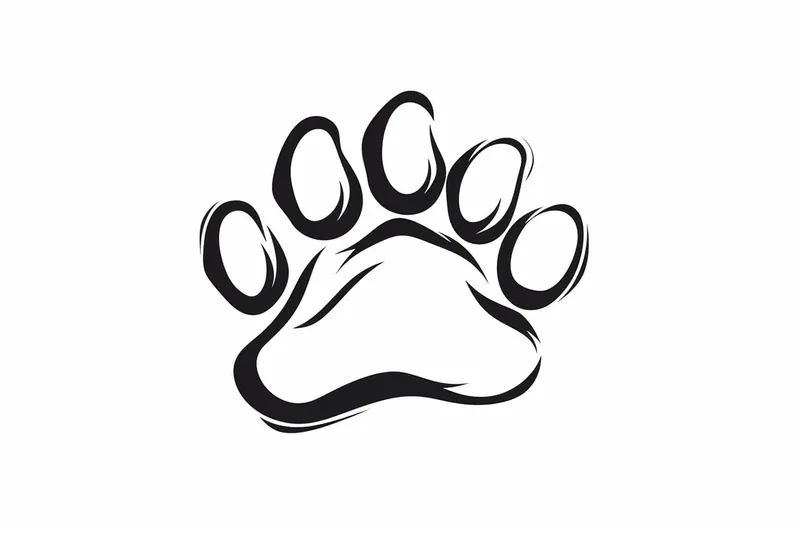
Materials You'll Need
- Pencil
- Paper
- Eraser
Dog paws are not only adorable but are also filled with intriguing shapes and textures that make them a fascinating subject for artists of all skill levels. Whether you're a dog lover hoping to capture the charm of your furry friend, or an artist seeking to improve your animal drawing skills, learning how to draw a dog paw can be both a fun and rewarding experience. A dog's paw is composed of unique features such as the central pad, the delicate toes, and the claws, each contributing to the animal's movement and character. Mastering the art of drawing these details can help you bring more life and accuracy to your animal illustrations, pet portraits, or even cartoon creations.
Understanding how to draw a dog paw is also a valuable skill for developing your observation and shading techniques, as paws often feature subtle curves, soft fur, and intricate line work. This makes them a great exercise for beginners who want to practice basic shapes and for more advanced artists interested in adding realism through texture and perspective. In this step-by-step tutorial, we'll break down the process into manageable parts, so you can follow along regardless of your experience level. Gather your materials, relax, and let's embark on this creative journey together—by the end, you'll have a newfound confidence in drawing one of the most expressive parts of man's best friend. Remember, every artist improves with practice, so don't be afraid to experiment and enjoy the process!
Materials Required
Before we begin, gather the following materials:
- A pencil - Choose one with a medium hardness, like a 2B or HB.
- Eraser - Select a kneaded eraser for easy removal of mistakes.
- Drawing paper - Pick a smooth surface paper that is suitable for pencil drawings.
- Reference image - Find a clear picture of a dog paw to use as a guide.
Now, let's get started!
Step 1: Draw the Basic Outline
Start by lightly sketching the basic outline of the dog paw. Draw a slightly curved line in the center of your paper to represent the main pad. Then, add two smaller curved lines on each side to create the side pads. Keep the lines light and loose, as we will refine them later.
Step 2: Add the Toes
Next, draw the toes of the dog paw. Dogs usually have four toes, so make four small curved lines below the main pad. These lines should curve slightly upwards, mimicking the shape of the toes. Pay attention to the size and spacing of the toes, as it can vary depending on the breed of the dog.
Step 3: Define the Pads
Now, let's add detail to the dog paw by defining the pads. Start with the main pad in the center and draw curved lines within it to represent the texture. These lines should follow the shape of the main pad and slightly curve towards the center. Repeat this process for each side pad, drawing curved lines within them as well.
Step 4: Refine the Toes
Refine the shape of the toes by adding more detail. Draw curved lines on each toe to indicate the presence of individual pads. These lines should follow the curve of each toe, creating a realistic texture. Remember to keep the lines light and smooth, as we will darken them later for a more defined look.
Step 5: Add the Claw
To complete the dog paw, draw a small curve at the tip of each toe to represent the claw. The location and size of the claw can vary, so refer to your reference image for guidance. Keep the curves simple and subtle to maintain a natural look.
Step 6: Darken and Refine
Now that the basic structure of the dog paw is complete, it's time to darken and refine the lines. Use your pencil to go over the sketch, applying more pressure to create darker lines. Pay attention to the curves and details, gradually building up the shape and texture of the paw. Don't rush this step; take your time and make sure the lines are clean and precise.
Step 7: Erase and Finalize
Once you are satisfied with the overall shape and details, use your eraser to gently remove any stray lines and smudges. Take care not to erase the lines you want to keep. This step will help clean up the drawing and give it a polished look.
Tip: Start by breaking the paw down into simple geometric shapes—use an oval for the main pad and smaller circles or beans for each toe, lightly sketching these forms to map out the structure before adding details. Pay close attention to the placement and overlap of the toes, as they often fan out slightly and are not perfectly symmetrical. When refining your lines, keep your strokes light and gentle to capture the soft, padded quality of the paw. For added realism, use a kneaded eraser to lift highlights on the central pad and toes, and consider using a blending stump to softly shade areas where fur meets the pads.
Conclusion
Drawing a dog paw may seem challenging at first, but with practice and patience, you can create a realistic and detailed representation. By following these step-by-step instructions, you've learned how to draw a dog paw from scratch. Remember to gather the necessary materials, use a reference image, and take your time during each step. With dedication and practice, you'll be able to draw dog paws with confidence and precision.
So, grab your pencil and start sketching! With each drawing, you'll continue to improve your skills and capture the essence of these adorable paws.
Fun Facts About Dog Paw
- Dog paws have sweat glands only in their paw pads, which help regulate their body temperature.
- The tough, rubbery texture of a dog's paw pads protects their feet from rough terrain.
- Some dogs have webbed feet, which help them swim better.
- Dog paws can be sensitive to hot pavement, which can cause burns.
- The small, raised pad on the back of a dog's front leg is called the carpal pad.
- Dogs use the scent glands in their paws to mark territory.
- Some breeds, like the Newfoundland, have especially large and thick paw pads for working in cold environments.
- Paw pad injuries are common in active dogs, so regular inspection is important.
- The color of a dog's paw pads can change as they age.
Suggestions for Scenes and Settings for Dog Paw Drawings
- A close-up of a muddy dog paw print beside a puddle after a rainy walk.
- A playful puppy's paw reaching out to touch a butterfly in a garden.
- A dog paw gently resting on a human hand, symbolizing companionship.
- Paws pressed against a frosted window, with condensation and paw prints left behind.
- A sleeping dog with its paws tucked under its chin, capturing the softness of fur and pads.
- An action scene with a dog running on sand, leaving a trail of paw prints behind.
- Multiple dog paws of different breeds lined up, highlighting the variety in size and shape.
- A detailed study of a single paw, focusing on texture, pads, and fur for a realistic effect.
- A cartoon-style dog paw giving a high-five to another animal, like a cat or rabbit.
- A dog's paw holding a toy or ball, showcasing interaction and personality.