How to Draw a Dancer
Learn how to draw a dancer step by step with this comprehensive drawing tutorial. Capture the elegance and grace of a dancer in your artwork.
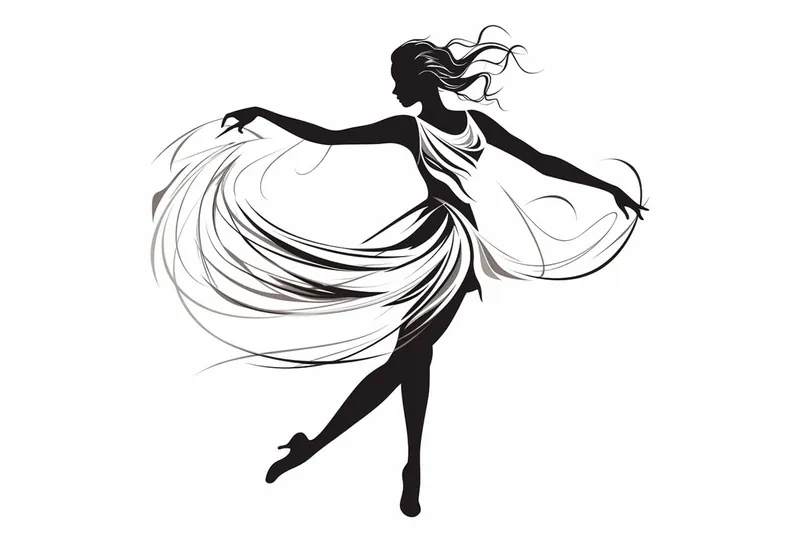
Materials You'll Need
- Pencil
- Paper
- Eraser
Dancers have long inspired artists with their expressive movements, flowing costumes, and the sheer energy they bring to the stage. Drawing a dancer is not just about capturing a figure in motion—it's about conveying the emotion, poise, and rhythm that make dance such a mesmerizing art form. Whether the dancer is caught in a graceful leap or a delicate pose, each line and curve tells a story of dedication, passion, and artistry. If you've ever admired the elegance of ballet, the dynamic flair of contemporary dance, or the lively steps of folk performances, learning how to draw a dancer can deepen your appreciation for both art and movement.
Many artists are drawn to the challenge of depicting the human figure in motion, and dancers make for especially captivating subjects. You might want to draw a dancer to practice anatomy, to celebrate your love of dance, or to add dynamic compositions to your portfolio. This subject is excellent for artists of all skill levels: beginners will gain valuable experience with basic shapes and gesture drawing, while more advanced artists can explore details like flowing fabric, expressive hands, and the subtle play of muscles. In this comprehensive tutorial on how to draw a dancer, you'll learn step-by-step techniques to create lifelike poses and capture the spirit of dance on paper.
Don't worry if you're new to figure drawing or feel intimidated by the complexity of a dancer's pose. With clear instructions, helpful tips, and encouragement at every stage, you'll find that drawing a dancer is both achievable and rewarding. So gather your materials, set aside some creative time, and get ready to bring the beauty of dance to life through your art. Let's begin this artistic journey together!
Materials Required
Before we dive into the steps, let's gather the materials you will need for this drawing:
- A pencil: Start with a medium-soft graphite pencil, preferably in the range of 2B to 4B. You can switch to a softer or harder pencil as per your preference.
- Eraser: Use a kneaded eraser or a soft vinyl eraser to make corrections and lighten lines when necessary.
- Drawing paper: Choose a smooth-surfaced paper that is suitable for sketching. A heavier-weight paper will work best to prevent smudging and create a clean drawing.
- Reference photo: Look for a high-quality reference photo of a dancer that inspires you. You can find images online or use a magazine or book as a reference.
Now that you have all the materials ready, let's move on to the steps of drawing a dancer.
Tip: To enhance your drawing of a dancer, focus on capturing the movement and energy by using dynamic lines and gesture sketches as your foundation. Start with quick, loose strokes to outline the pose before refining details, which will help you convey the fluidity and expressiveness of dance. Consider exaggerating certain features, like the curve of the spine or the angles of the limbs, to emphasize motion and bring your artwork to life.
Step 1: Basic Pose Guidelines
Start by lightly sketching the basic guidelines of the dancer's pose using simple shapes. Begin with a circle for the head, and then draw lines to indicate the position of the spine and the extremities. Use light strokes to create these guidelines, as they will be adjusted and refined as you progress.
Step 2: Facial Features and Hair
Refine the head shape and add in the facial features of the dancer. Pay attention to the proportions and details of the face, such as the eyes, nose, and mouth. Keep in mind the expression you want to portray and enhance it through your drawing. Add flowing hair to capture the movement and dynamic nature of the dance.
Step 3: Body Proportions and Pose Refinement
Using the initial guidelines as a reference, begin adding curves and contours to define the body of the dancer. Pay close attention to the proportions and position of the limbs, ensuring they reflect the graceful movement of a dancer. Refine the pose by adjusting the angles and curves until you are satisfied with the overall composition.
Step 4: Clothing and Details
Add the specific details of the dancer's clothing, such as the leotard or tutu. Pay attention to the folds and creases of the fabric, capturing the subtle movements and drapes. Add any additional accessories the dancer may be wearing, such as ballet shoes or jewelry. Focus on the intricate details that make the dancer come to life.
Step 5: Shading and Texture
Now it's time to bring depth and dimension to your drawing by adding shading and texture. Start by identifying the primary light source in your reference photo. Use light and dark shading techniques to create volume and form. Pay close attention to the subtle play of light and shadow on the dancer's body, enhancing the three-dimensional effect.
Step 6: Refinement and Final Touches
Take a step back and evaluate your drawing as a whole. Look for any areas that need refinement or adjustments. Erase any unnecessary guidelines and fine-tune the details. Pay attention to the overall balance of your drawing, making sure all elements work harmoniously together. Add any final touches to enhance the realism and aesthetics of your artwork.
Mistake Alert: A common mistake when drawing dancers is stiff, unnatural poses that lack a sense of motion or flow. This often happens because beginners focus too much on outlining the body in detail before establishing the overall gesture, causing the figure to look rigid rather than dynamic. To avoid this, start with quick, loose gesture sketches using sweeping lines to capture the dancer's movement and rhythm before adding any anatomical details. Imagine the energy path of the pose—like an invisible line that runs through the spine and limbs—and let it guide your initial marks. If your drawing still feels stiff, try exaggerating the curve of the spine or the angle of the limbs to enhance the sense of action and grace.
Conclusion
Congratulations! You have successfully learned how to draw a dancer step by step. By following these instructions, you have created a beautiful drawing that captures the grace and elegance of a dancer in motion. Remember, practice is key when it comes to improving your artistic skills, so keep on drawing and exploring the world of dance through your art. Keep pushing your boundaries, and with time, you will continue to develop your own unique style. Happy drawing!
Fun Facts About Dancer
- The earliest evidence of dance dates back over 9,000 years, as seen in ancient cave paintings in India and Spain.
- Ballet, one of the most iconic dance forms, originated in the Italian Renaissance courts of the 15th century.
- The Guinness World Record for the longest dance marathon by an individual is over 123 hours.
- Dance is not only an art form but also a recognized Olympic sport, with breakdancing set to debut at the Paris 2024 Olympics.
- Studies show that dancing can improve memory, flexibility, and even reduce the risk of dementia.
- The world's largest dance festival, the Rio Carnival, attracts over 2 million people to the streets of Brazil each year.
- Tap dancing originated in the United States in the 19th century, blending African and Irish dance traditions.
- Some traditional dances, like the Sufi whirling, are performed as a form of meditation and spiritual practice.
Suggestions for Scenes and Settings for Dancer Drawings
- A ballerina caught mid-leap in a spotlight on a grand theater stage, with the audience in soft shadow.
- A contemporary dancer performing in an urban setting, using graffiti walls and city lights as a backdrop.
- A folk dancer spinning with a vibrant skirt at an outdoor festival, surrounded by musicians and lanterns.
- A duet of dancers mirroring each other's movements on a minimalist, empty stage, focusing on symmetry and connection.
- An expressive flamenco dancer, captured in a dramatic pose with swirling red dress and castanets in hand.
- A jazz dancer paused in a dynamic kick, with neon club lights adding energy and rhythm to the scene.
- A group of children participating in a joyful dance class, with mirrors and ballet barres lining the walls.
- A traditional Indian dancer, frozen in an intricate hand gesture and colorful costume, with temple architecture in the background.
- A solo dancer practicing at sunrise in a quiet studio, warm light streaming through large windows onto polished wood floors.
- A street dancer breakdancing on a busy sidewalk, surrounded by an enthusiastic crowd and city hustle.