How to Draw a Cuttlefish
Learn how to draw a cuttlefish with this step-by-step tutorial. Follow along as an expert artist guides you in creating a realistic representation of this fascinating sea creature.
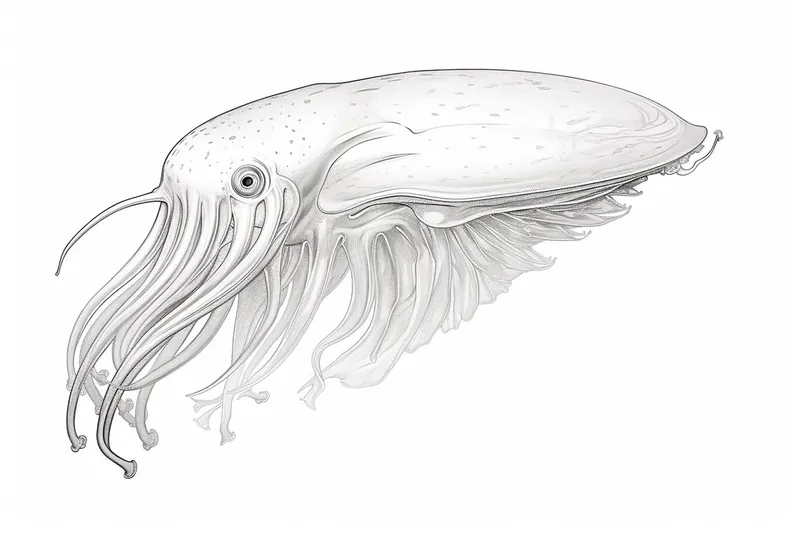
Materials You'll Need
- Pencil
- Paper
- Eraser
Cuttlefish are among the most intriguing and visually striking creatures in the ocean, known for their unique, oval-shaped bodies, expressive eyes, and the mesmerizing patterns they display on their skin. These marine animals belong to the cephalopod family, sharing close relations with squids and octopuses, and are celebrated both for their intelligence and their ability to change color in an instant. Because of their fascinating textures and shapes, cuttlefish make a fantastic subject for artists looking to challenge themselves and expand their repertoire of marine life drawings.
Learning how to draw a cuttlefish will not only improve your observation skills but also let you explore various drawing techniques, such as shading, blending, and capturing the subtle details that bring your artwork to life. Whether you are a beginner eager to practice basic shapes and line work or an intermediate artist aiming to experiment with texture and contrast, drawing a cuttlefish offers a wonderful opportunity to grow. Their flowing tentacles and intricate body patterns encourage you to pay close attention to form and detail, making this project both educational and enjoyable for artists of all skill levels.
So, gather your drawing materials and get ready to dive into the fascinating world beneath the waves. With patience, practice, and step-by-step guidance, you'll soon discover just how rewarding it can be to master how to draw a cuttlefish. Remember, every great artist started from the beginning—so don't be afraid to make mistakes and have fun with your creative journey!
Materials Required
Before we begin, let's gather the materials you'll need for this drawing:
- Drawing paper
- Pencils (HB, 2B, and 4B)
- Eraser
- Blending stump or cotton swabs
- Reference picture of a cuttlefish (optional, but helpful for accuracy)
Now that we have everything ready, let's dive into the world of drawing a cuttlefish!
Step 1: Basic Shape
Start by sketching a rough oval shape for the cuttlefish's body. You can use a light HB pencil for this initial step. Don't worry about getting it perfect; this is just a guide.
Step 2: Tentacles and Arms
Add in the long, slender tentacles and arms of the cuttlefish. They should be positioned around the mouth area. You can use gentle, curved lines to create a natural flow.
Step 3: Eyes and Fins
Draw two large circular eyes on either side of the head. Inside each eye, add a smaller circle for the iris and a small dot for the pupil. Then, sketch in the fins on the sides of the body, starting from the base of the head and extending towards the tail.
Step 4: Textured Skin
Tip: As you draw each step of the cuttlefish, take breaks to step back and evaluate your work from a distance; this will help you better assess proportions, shapes, and overall composition. Additionally, consider using reference images not just for accuracy but also to inspire creativity in how you depict the cuttlefish's unique textures and patterns, allowing you to capture its vibrant character more effectively.
Cuttlefish have unique, textured skin. Using your 2B pencil, lightly draw a series of overlapping diamond-shaped patterns on the body and fins. These patterns mimic the cuttlefish's skin texture.
Step 5: Body Details
Refine the shape of the cuttlefish's body by adding more curves and contours. Pay attention to the proportions and make sure everything looks balanced. Take your time to get it just right.
Step 6: Suckers
Cuttlefish have suction cups called "suckers" on their tentacles and arms. Use your 4B pencil to draw small circles along the length of each tentacle and arm. These circles represent the suckers.
Step 7: Darken the Eyes
Using your 4B pencil, darken the outline of the eyes, iris, and pupil. Add shading to create depth and make the eyes stand out. Blend the shading with a blending stump or a cotton swab to soften the edges.
Step 8: Shading and Shadows
To make your cuttlefish look more three-dimensional, add shading and shadows. Identify the light source and imagine where the shadows would fall. Use your 2B and 4B pencils to create a gradual transition from light to dark.
Step 9: Finishing Touches
Take a moment to review your drawing and make any necessary adjustments. Pay attention to the details, such as the texture of the skin, the shapes of the fins, and the overall proportions. Erase any stray lines or smudges.
Challenge: Push your creativity by drawing a cuttlefish in the midst of an underwater scene, interacting with its environment—perhaps camouflaging against a patch of coral, hunting a small fish, or blending with swirling seaweed. Focus on illustrating its remarkable camouflage abilities by carefully observing how its skin patterns and colors might shift to match different textures and surroundings. Challenge yourself to include at least three distinct elements from its habitat, such as sandy seafloor, rocks, or other sea creatures, to create a dynamic and realistic composition. Let your imagination guide the narrative of your scene, and don't be afraid to experiment with unusual color palettes or dramatic lighting to capture the mysterious beauty of the ocean depths.
Conclusion
Congratulations! You have successfully learned how to draw a cuttlefish. With patience and practice, you'll continue to refine your skills and create even more impressive artworks. Remember, drawing is a journey, and each step brings you closer to becoming the artist you aspire to be.
I hope you enjoyed this step-by-step guide on how to draw a cuttlefish. Keep exploring different subjects and experimenting with various techniques. Happy drawing!
Fun Facts About Cuttlefish
- Cuttlefish are masters of camouflage, able to change their skin color and texture in less than a second thanks to specialized cells called chromatophores.
- [Despite their name, cuttlefish are not actually fish but are mollusks, closely related to squids and octopuses](https://yonderoo.com/how-to-draw-an-octopus/).
- Cuttlefish have a unique internal shell called the cuttlebone, which helps control their buoyancy.
- They possess some of the largest brain-to-body size ratios among invertebrates, making them highly intelligent.
- Cuttlefish have W-shaped pupils that help them see behind themselves and judge distance.
- They communicate with each other using rapid changes in skin color and patterns, a phenomenon detailed by Nature.
- Some cuttlefish species can produce ink to confuse predators and make a quick escape.
- Cuttlefish have three hearts: two pump blood to the gills, and one pumps it to the rest of the body.
Suggestions for Scenes and Settings for Cuttlefish Drawings
- A cuttlefish camouflaged perfectly against a rocky seabed, blending in with shells and seaweed.
- Two cuttlefish engaged in a color-changing "dance," displaying vibrant patterns to communicate.
- A cuttlefish hunting small fish or shrimp, its tentacles extended in anticipation.
- A close-up portrait of a cuttlefish showing the intricate textures and shimmering skin patterns.
- A cuttlefish swimming gracefully near a coral reef, surrounded by colorful marine life.
- A cuttlefish releasing a cloud of ink as a dramatic escape from a lurking predator.
- A group of cuttlefish interacting in a shallow tide pool, with sunlight filtering through the water.
- A cuttlefish exploring an underwater cave, its eyes glowing in the dim light.
- A cuttlefish resting on the ocean floor, its body undulating gently with the currents.
- A whimsical scene of a cuttlefish wearing a crown of seashells, surrounded by playful bubbles.