How to Draw a Cracked Heart
Learn how to draw with this step-by-step tutorial.
Materials You'll Need
- Drawing paper
- Pencil (HB or 2B)
- Eraser
- Colored pencils
- Markers
- Blending stump
The cracked heart is a powerful symbol, often representing themes of heartbreak, emotional struggle, or resilience in the face of adversity. Whether you're creating personal artwork, designing tattoos, or illustrating a story, knowing how to draw a cracked heart can add a deeply expressive and meaningful element to your art. This tutorial will guide you through the process, helping you capture both the fragility and strength that this image conveys. Understanding how to render the cracks realistically will bring your drawing to life and evoke strong emotions in your audience.Drawing a cracked heart might seem simple at first glance, but it involves a thoughtful approach to shape, shading, and texture to effectively portray the broken yet beautiful nature of the subject. This tutorial is suitable for artists with a basic understanding of drawing fundamentals, such as line work and shading techniques, and it also offers tips that can challenge more advanced artists to refine their skills. By practicing how to draw a cracked heart, you'll improve your ability to depict intricate details like fractures and highlights, enhancing your overall drawing proficiency.So, gather your pencils, erasers, and pens, and prepare to dive into this creative journey. Remember, every artist's style is unique, and this step-by-step guide is designed to inspire you to make this cracked heart your own. With patience and practice, you'll be able to create a visually captivating piece that tells a story and resonates emotionally. Let's begin exploring how to draw a cracked heart and bring your artistic vision to life!
Materials Required:
To complete this drawing, you will need the following materials:
-
A pencil
-
A sharp eraser
-
A fine-tipped marker or pen
-
Colored pencils or markers (optional)
Step 1: Sketching the Heart Shape
Start by lightly sketching the outline of a heart shape on your drawing paper. It's important to keep the lines light and faint at this stage, as they will be erased later. The heart shape should be slightly tilted to give it a dynamic appearance.
Step 2: Creating the Cracks
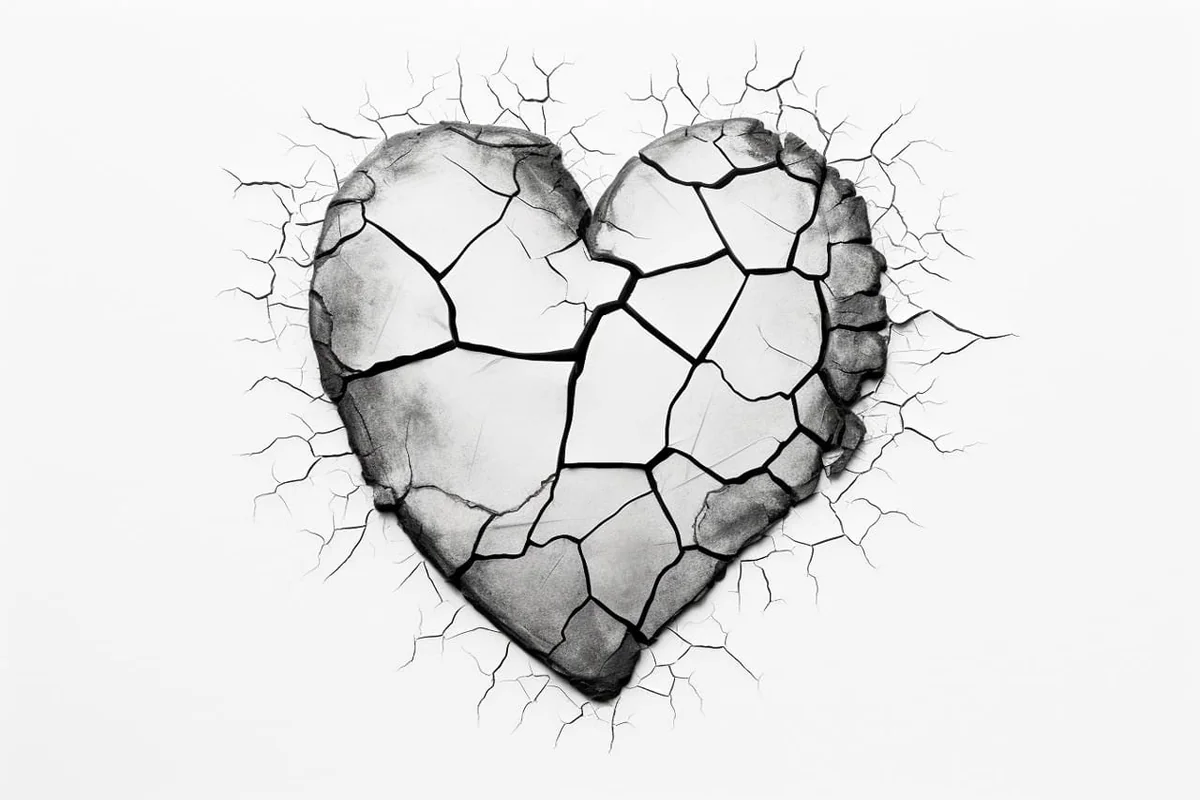
Next, draw a few jagged lines across the heart shape to represent the cracks. These lines should overlap and vary in thickness to add depth and realism. Remember, there's no right or wrong way to create the cracks, so let your imagination guide you.
Step 3: Adding Detail to the Cracks
To make the cracks more visually interesting, add some smaller lines branching off from the main cracks. These smaller lines can be irregular and jagged, mimicking the natural patterns found in broken surfaces. Be creative with the placement and direction of the smaller lines.
Step 4: Shading the Cracks
To give the cracks more depth and dimension, add shading along the edges of the cracks. This can be done by darkening the lines with your pencil or by using a slightly darker shade of your colored pencils or markers. Gradually build up the shading, starting with lighter strokes and gradually adding more layers for a realistic effect.
Step 5: Erasing the Heart Outline
Once you're satisfied with the cracks and shading, carefully erase the faint heart outline you sketched in the first step. Use a gentle touch to avoid smudging the surrounding areas. This will help the cracks stand out and give the illusion of a separate, broken surface.
Step 6: Outlining the Cracks
Trace over the pencil lines of the cracks with a fine-tipped marker or pen. This will make the cracks more defined and bold. Take your time and steady your hand to ensure clean and precise lines. You can also thicken or vary the thickness of certain cracks to add visual interest.
Step 7: Adding Texture and Details
To make the cracked heart more visually appealing, consider adding texture and details to the surface. This can be achieved by adding tiny dots, short lines, or rough scribbles inside the cracks. Experiment with different textures and patterns to find the one that suits your artistic vision.
Step 8: Coloring the Cracked Heart (optional)
If you wish to add color to your drawing, now is the time to do so. You can use colored pencils, markers, or any other coloring medium of your choice. Consider using shades of red for the heart and complementary colors for the cracks to make them stand out. Remember to blend the colors smoothly and use shading techniques to create depth.
Step 9: Final Touches
Take a moment to review your drawing and make any necessary adjustments or refinements. Add any final details or highlights to enhance the overall look of the cracked heart. Once you're satisfied with the result, gently erase any remaining pencil marks to clean up the drawing.
Drawing a cracked heart is a meaningful and artistic endeavor that allows you to express various emotions and themes. By following these step-by-step instructions, you've learned how to create a visually captivating representation of a cracked heart. Feel free to experiment with different styles, colors, and techniques to make your drawing unique. Whether you use it in a personal artwork or incorporate it into a larger design, your cracked heart drawing is sure to convey a powerful message. So, seize your pencils and start drawing your own broken beauty!
Fun Facts About Cracked Heart
-
The cracked heart symbol often represents emotional pain and resilience, making it a powerful motif in art and literature.
-
In tattoo culture, a cracked heart can symbolize overcoming heartbreak or personal struggles.
-
The visual cracks in a heart drawing add depth and realism, enhancing the emotional impact of the artwork.
-
Shading techniques used in cracked heart drawings help convey fragility and strength simultaneously.
-
Cracked heart imagery is frequently used in storytelling to symbolize broken relationships or emotional trauma.
-
Artists often use jagged, irregular lines to mimic natural fracture patterns when drawing cracks.
-
The cracked heart symbol has been adopted in digital culture as an emoji to express sadness or heartbreak.
-
Adding texture inside the cracks can make a cracked heart drawing more visually interesting and realistic.
-
Using complementary colors for the heart and cracks can enhance the visual contrast and emotional tone of the artwork.
Suggestions for Scenes and Settings for Cracked Heart Drawings
-
A cracked heart embedded in the center of a wilted rose, symbolizing love fading but still holding beauty.
-
A cracked heart floating above a stormy sea, with lightning illuminating the fractures to represent turmoil and resilience.
-
A cracked heart made of shattered glass pieces scattered on a dark background, emphasizing fragility and brokenness.
-
A cracked heart wrapped in barbed wire, conveying pain and emotional barriers with sharp contrasting textures.
-
A cracked heart growing roots and vines through its fractures, symbolizing healing and new growth despite damage.
-
A cracked heart suspended in a cosmic galaxy, with stars shining through the cracks to express hope and inner strength.
-
A cracked heart melting like wax over a burning candle, illustrating vulnerability and fleeting emotions.
-
A cracked heart intertwined with mechanical gears and wires, blending human emotion with cold machinery for a steampunk effect.
-
A cracked heart painted on a weathered wall with graffiti style, showing urban struggle and raw emotional expression.
-
A cracked heart reflected in a broken mirror, capturing themes of self-reflection and fragmented identity.