How to Draw a Cat Eye
Learn how to draw a cat eye with this step-by-step tutorial. Perfect for beginners in art and sketching, this guide will help you capture the essence of a cat's eye.
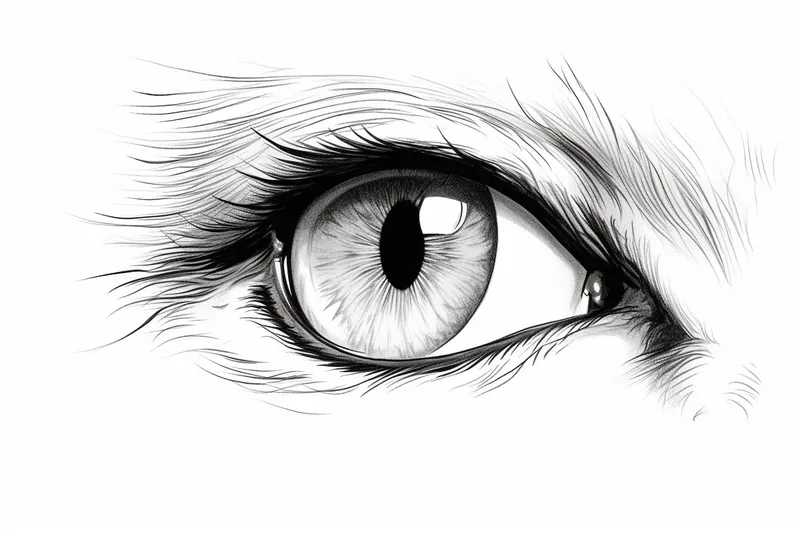
Materials You'll Need
- Pencil
- Paper
- Eraser
Welcome to this detailed tutorial on how to draw a cat eye, a fascinating subject that combines elegance and mystery. The cat's eye is renowned for its unique shape, reflective quality, and captivating slit pupil, making it a compelling feature to capture in your artwork. Whether you're an experienced artist looking to refine your skills or a beginner eager to explore animal anatomy, mastering how to draw a cat eye will enrich your understanding of texture, light, and form.
Drawing a cat eye involves a blend of observation and technique, from sketching the almond-shaped outline to shading the iris and capturing the glossy highlights that bring the eye to life. This tutorial will guide you through each step, helping you develop skills such as precise line work, subtle shading, and blending to achieve a realistic effect. By learning how to draw a cat eye, you are not only creating a striking image but also honing your ability to depict depth and emotion in your art. Plus, this subject serves as an excellent practice for improving your overall drawing abilities with manageable complexity.
So gather your pencils, paper, and erasers, and get ready to embark on this creative journey. With patience and practice, you'll soon be able to render a cat's eye that seems to sparkle with life and personality. Remember, every great artist started with simple shapes, and with this tutorial on how to draw a cat eye, you are taking an important step toward enhancing your artistic confidence and skills. Let's dive in and bring this mesmerizing feature to life on your page!
Materials Required
To begin drawing a cat eye, you'll need the following materials:
- Pencil - A medium-grade pencil is recommended for sketching and shading.
- Paper - Choose a smooth-surfaced paper that can handle pencil work.
- Eraser - A kneaded eraser is ideal for easily correcting mistakes.
- Blending tool - You can use a blending stump, cotton swab, or even your finger for blending and smudging.
Now that you have your materials ready, let's dive into the step-by-step process of drawing a cat eye.
Step 1: Outlining the Basic Shape
Begin by lightly sketching a horizontal oval shape on your paper. This will be the outline of the cat eye. Keep the shape slightly elongated, as cat eyes are often more oval than round.
Step 2: Adding the Iris
Within the outline, draw a smaller oval shape on the left side of the larger oval. This will be the iris of the cat eye. Fill in the iris with a solid shade of color using your pencil or shading tool.
Step 3: Creating Depth with Pupil and Reflection
At the very center of the iris, draw a small and dark circular shape for the pupil. Leave a tiny white space within the pupil to indicate reflection. This reflection adds depth and brings the eye to life.
Step 4: Detailing the Iris
Around the iris, lightly sketch small lines or curves to represent the fibers of the iris. These lines should radiate outwards from the pupil towards the outer edge of the iris. Make sure the lines are unevenly spaced to create a natural look.
Step 5: Shading the Eye
To add depth and dimension to the eye, it's important to shade the areas around the iris and pupil. Start by shading the area closest to the iris with a slightly darker tone. Gradually lighten the shade as you move away from the iris, blending the transition with your blending tool. This shading creates a gradual fade from the center of the eye to the outer edges.
Step 6: Drawing the Eyelids
On the top and bottom edges of the eye, draw the eyelids. Cat eyelids are often more curved than human eyelids. Sketch a smooth curve above and below the eye, leaving a small space between the eyelids and the iris. The upper eyelid should be thicker and more prominent than the lower one.
Step 7: Adding Eyelashes
To make the eye more realistic, draw some eyelashes extending from the upper eyelid. These lashes should be thin, curved lines that taper towards the ends. Add a few shorter lashes to the lower eyelid as well.
Step 8: Fine-Tuning the Details
Now it's time to refine and finalize the drawing. Take a closer look at your work and make any necessary adjustments. Pay attention to the shape, proportions, and overall symmetry of the eye. Use your eraser to gently erase any unwanted lines or smudges. Take your time with this step to ensure a polished finish.
Conclusion
Drawing a cat eye can be a challenging yet rewarding experience. By following the step-by-step instructions outlined in this tutorial and practicing regularly, you'll improve your artistic skills and be able to create captivating drawings of cat eyes. Remember to be patient with yourself, as mastery comes with time and dedication. So grab your materials and start sketching those mesmerizing cat eyes today!
Fun Facts About Cat Eye
- The unique vertical slit pupil of a cat eye allows precise control over the amount of light entering, enhancing night vision.
- Cat eyes reflect light due to a layer called the tapetum lucidum, which improves their ability to see in the dark.
- The almond shape of a cat's eye helps reduce glare and focus better on prey.
- Cat eyes can appear to glow in various colors, such as green, yellow, or blue, depending on the angle and lighting. PetMD
- The reflective quality of cat eyes inspired the design of "cat eye" sunglasses, known for their elegant, upswept shape.
- Unlike humans, cats have a third eyelid called the nictitating membrane that helps protect and moisten their eyes.
- Cat eyes can quickly adjust their focus to detect movement, aiding their hunting skills. Encyclopedia Britannica
- The iris color of a cat's eye can range widely, from blue to amber, influenced by genetics and breed.
Suggestions for Scenes and Settings for Cat Eye Drawings
- A close-up of a cat eye reflecting a moonlit forest scene, emphasizing light and shadow play.
- A mystical cat eye with swirling galaxies and stars within the iris, blending realism with fantasy.
- A cat eye peeking through tall grass or foliage, capturing the sense of hidden watchfulness.
- A detailed cat eye with raindrops on the eyelid, showcasing texture and reflective highlights.
- A stylized cat eye set against a backdrop of urban neon lights, creating a vibrant contrast.
- A vintage black-and-white drawing of a cat eye with intricate shading to highlight form and depth.
- A cat eye in mid-blink, capturing the subtle curvature and softness of the eyelids and lashes.
- A surreal composition where multiple cat eyes float in a dark void, focusing on shape repetition and light.
- A cat eye with a colorful iris pattern inspired by natural gemstones like emerald or sapphire.
- A cat eye reflected in a calm water surface, incorporating ripples and distortions for a dynamic effect.
Fun Facts About Cat Eye
- The unique vertical slit pupil of a cat eye allows precise control over the amount of light entering, enhancing night vision.
- Cat eyes reflect light due to a layer called the tapetum lucidum, which improves their ability to see in the dark.
- The almond shape of a cat's eye helps reduce glare and focus better on prey.
- Cat eyes can appear to glow in various colors, such as green, yellow, or blue, depending on the angle and lighting. PetMD
- The reflective quality of cat eyes inspired the design of "cat eye" sunglasses, known for their elegant, upswept shape.
- Unlike humans, cats have a third eyelid called the nictitating membrane that helps protect and moisten their eyes.
- Cat eyes can quickly adjust their focus to detect movement, aiding their hunting skills. Encyclopedia Britannica
- The iris color of a cat's eye can range widely, from blue to amber, influenced by genetics and breed.
Suggestions for Scenes and Settings for Cat Eye Drawings
- A close-up of a cat eye reflecting a moonlit forest scene, emphasizing light and shadow play.
- A mystical cat eye with swirling galaxies and stars within the iris, blending realism with fantasy.
- A cat eye peeking through tall grass or foliage, capturing the sense of hidden watchfulness.
- A detailed cat eye with raindrops on the eyelid, showcasing texture and reflective highlights.
- A stylized cat eye set against a backdrop of urban neon lights, creating a vibrant contrast.
- A vintage black-and-white drawing of a cat eye with intricate shading to highlight form and depth.
- A cat eye in mid-blink, capturing the subtle curvature and softness of the eyelids and lashes.
- A surreal composition where multiple cat eyes float in a dark void, focusing on shape repetition and light.
- A cat eye with a colorful iris pattern inspired by natural gemstones like emerald or sapphire.
- A cat eye reflected in a calm water surface, incorporating ripples and distortions for a dynamic effect.